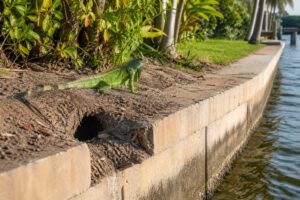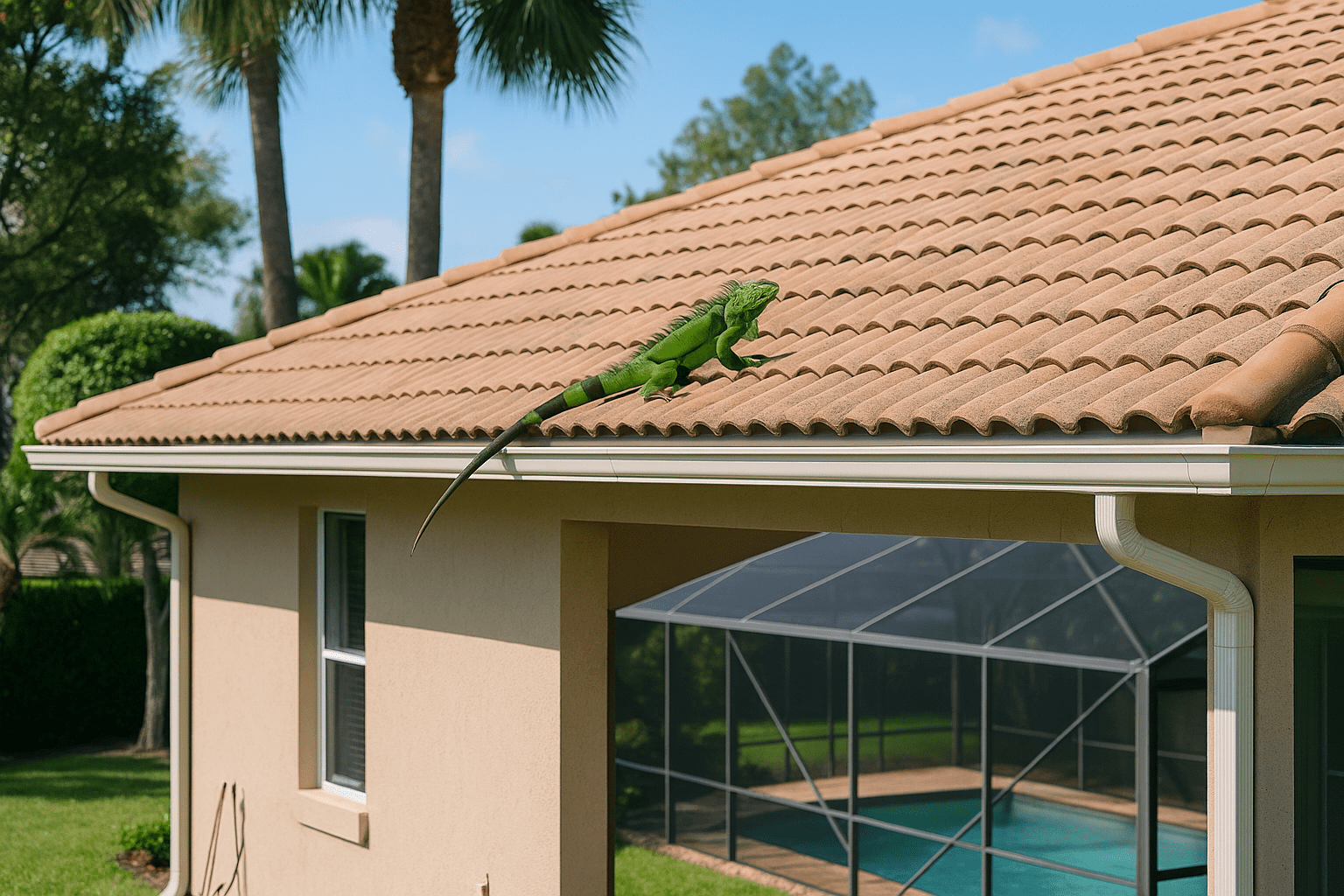
In South Florida, iguanas are a common sight, but when these reptiles climb onto your solar panels and rooftop equipment, they can cause costly damage and disrupt your home’s energy efficiency. Understanding how to safely deter iguanas while protecting your solar investments is essential for homeowners in this region. This guide offers practical, humane strategies to keep iguanas at bay without harming local wildlife.
Why Iguanas Are Drawn to Solar Panels and Rooftop Equipment
Solar panels and rooftop units provide warmth and shelter, making them attractive spots for iguanas looking to bask or hide. The heat generated by solar panels mimics their natural sunbathing environment, while the equipment offers crevices and ledges perfect for resting. Unfortunately, their presence can lead to scratched panels, chewed wiring, and blocked airflow in HVAC units, compromising your system’s performance.
Effective Iguana Deterrents Suitable for South Florida Homes
Deterring iguanas humanely requires a combination of habitat modification and physical barriers. Here are some proven methods:
- Install Protective Mesh or Screens: Use durable, weather-resistant mesh around rooftop equipment to prevent iguanas from accessing sensitive areas.
- Use Motion-Activated Sprinklers: These devices startle iguanas with bursts of water, encouraging them to leave without harm.
- Apply Non-Toxic Repellents: Natural repellents such as garlic or citrus sprays can discourage iguanas from lingering near your roof.
- Remove Food Sources: Keeping your yard free of fallen fruit and inaccessible to bird feeders reduces attractants.
- Trim Overhanging Branches: Limiting access points from trees to your roof helps prevent iguanas from climbing up.
Protecting Solar Panels and Rooftop Equipment from Iguana Damage
Beyond deterrents, protecting your equipment is critical. Consider these steps:
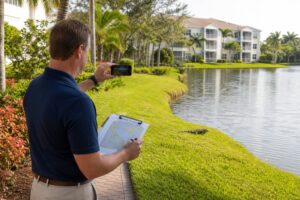
- Regular Inspections: Schedule routine checks for scratches, debris, or nesting signs around your panels and units.
- Secure Wiring: Use conduits or protective covers to shield electrical components.
- Professional Installation: Work with installers knowledgeable about wildlife prevention to design iguana-resistant setups.
Humane Trapping and Legal Considerations in South Florida
When deterrents are insufficient, trapping may be necessary. South Florida regulations emphasize humane treatment and proper handling of iguanas:
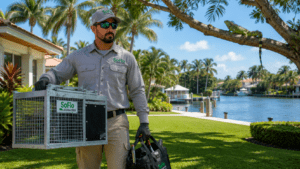
- Use live traps designed specifically for iguanas to minimize injury.
- Check traps frequently to reduce stress on captured animals.
- Follow local wildlife laws regarding relocation or removal—illegal release of iguanas can harm native ecosystems.
- Consider consulting professional wildlife control experts trained in humane methods.
Setting Up Iguana Traps: Best Practices
To increase your chances of success while ensuring safety, keep these tips in mind:
- Select the Right Trap: Use sturdy box or cage traps tailored for iguanas.
- Choose Effective Bait: Fresh fruits like mango, papaya, or cantaloupe are particularly enticing.
- Place Traps Strategically: Position traps near common iguana entry points or favored basking spots.
- Monitor Traps Regularly: Check at least once daily to avoid prolonged confinement.
Frequently Asked Questions
Can I use chemical repellents on my solar panels?
Chemical repellents can damage solar panel surfaces or void warranties, so opt for natural, non-toxic options and protective barriers instead.
Are iguanas harmful to humans?
Iguanas are generally not aggressive but can bite or scratch if threatened. It’s best to avoid direct contact and use humane deterrents.
Is it legal to trap and relocate iguanas in South Florida?
Relocation is regulated to protect native wildlife. Always check local laws and consider professional assistance to ensure legal and humane handling.
How often should I inspect my rooftop equipment for iguana damage?
Monthly inspections during peak iguana activity seasons help catch issues early and maintain system efficiency.
Will trimming trees completely prevent iguanas from reaching my roof?
While trimming reduces access, iguanas are agile climbers. Combining tree maintenance with other deterrents offers better protection.
Conclusion
Protecting your solar panels and rooftop equipment from iguana damage in South Florida calls for a thoughtful blend of humane deterrents, physical barriers, and regular maintenance. Understanding iguana behavior and local wildlife regulations ensures that your prevention efforts are effective and responsible. For expert assistance tailored to South Florida homes, contact SoFlo Iguana Pros at (561) 735-1975. Our team is dedicated to safeguarding your property while respecting the local ecosystem.