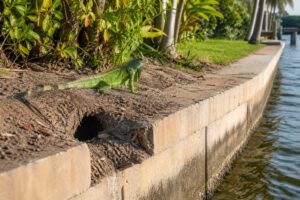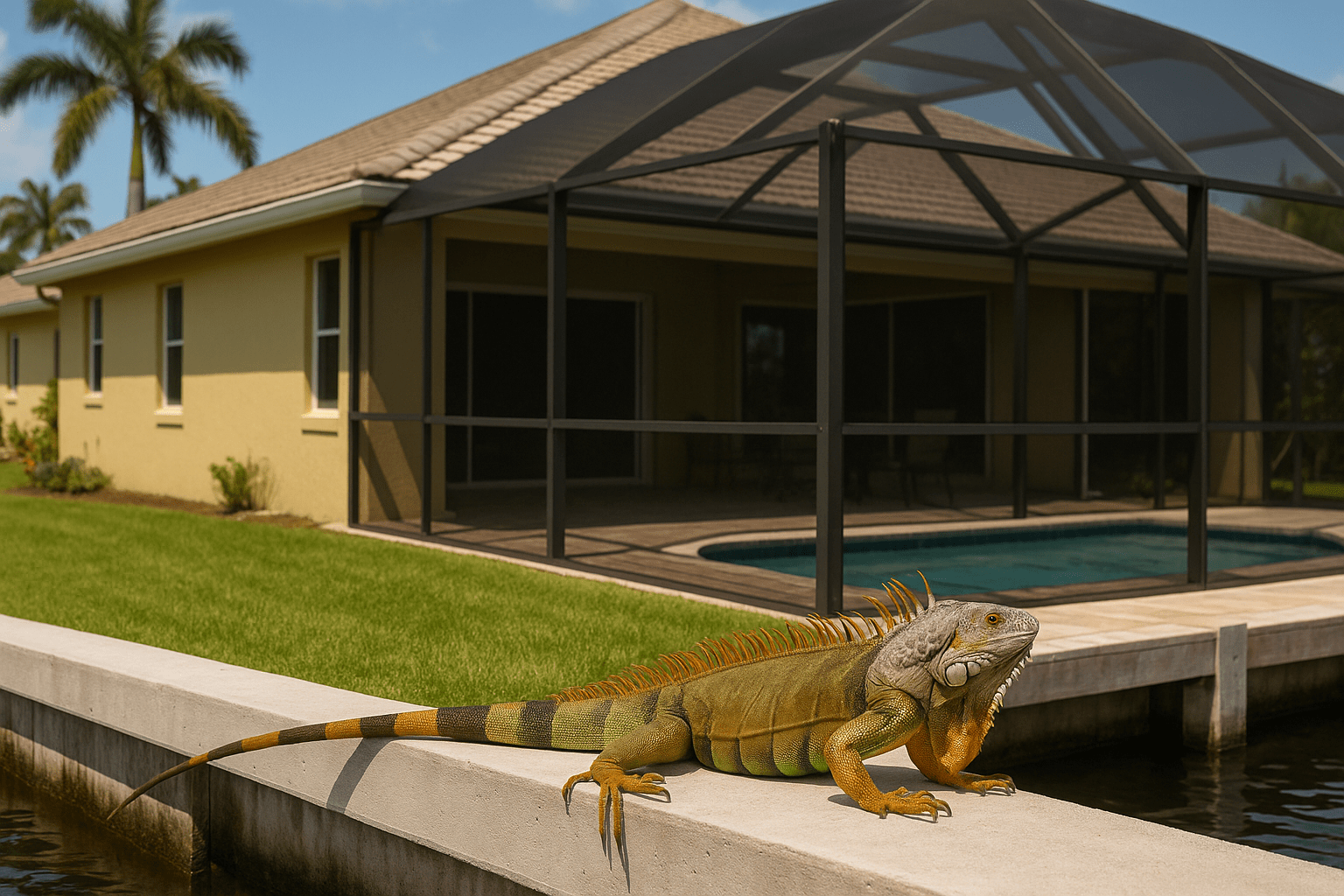
Waterfront properties in South Florida offer stunning views and a unique connection to nature, but they also come with specific challenges—one of the most persistent being iguana burrowing damage. These large reptiles dig extensive burrows that can destabilize soil, erode shorelines, and even threaten the integrity of your property’s landscape and structures. Understanding how to prevent and manage iguana burrows is essential to preserving your investment and enjoying your outdoor space.
Why Iguana Burrows Are a Concern for Waterfront Properties
Iguanas are native to Central and South America, but in South Florida, they have become an established part of the ecosystem. Their burrowing behavior, especially near waterfronts, can cause significant problems:
- Soil erosion: Burrows weaken soil stability, increasing erosion risk along shorelines and embankments.
- Landscape damage: Holes and tunnels disrupt lawns, gardens, and walkways.
- Structural threats: Burrows near foundations, seawalls, or docks can compromise these structures over time.
- Safety hazards: Uneven ground from burrows can cause trips and falls for residents and visitors.
Because waterfront properties often have softer, sandy soils, they are especially vulnerable to these issues.
Identifying Iguana Burrows on Your Property
Early identification of iguana burrows is key to effective prevention. Typical signs include:
- Large, oval-shaped holes usually 4 to 6 inches wide.
- Soil mounds or displaced earth near the entrance.
- Presence of iguana tracks or droppings nearby.
- Vegetation damage surrounding burrow areas.
Inspect your waterfront property regularly—especially near seawalls, garden beds, and soft soil patches—to catch burrowing activity before it escalates.
Practical Strategies to Prevent Iguana Burrowing
While completely eliminating iguanas from your property isn’t always feasible, several effective preventative measures can minimize burrow damage:
- Landscape modification: Replace or reinforce vulnerable soil with harder surfaces or compacted gravel near critical areas.
- Physical barriers: Installing mesh fencing buried 12-18 inches below ground can deter digging.
- Habitat reduction: Remove brush, debris, and dense vegetation where iguanas hide and nest.
- Water management: Avoid overwatering lawns and gardens, as damp soil encourages burrowing.
- Regular monitoring: Frequent property checks allow early detection and prompt action.
Humane Iguana Control: Trapping and Removal Considerations
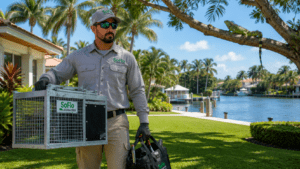
When prevention isn’t enough, humane trapping and removal may be necessary. South Florida regulations require that iguana control is conducted responsibly and ethically to protect native wildlife and the ecosystem.
Key points to consider:
- Use live traps designed specifically for iguanas to minimize stress and injury.
- Choose bait carefully—fruits like mango, papaya, or cantaloupe are effective.
- Set traps in shaded, quiet areas frequented by iguanas.
- Check traps frequently to avoid prolonged confinement.
- Work with professionals familiar with local laws and humane wildlife handling.
Improper handling or illegal relocation can harm iguanas and disrupt local habitats.
Maintaining Your Waterfront Property Post-Removal
After addressing iguana burrowing, it’s important to repair damage and implement ongoing strategies:
- Fill and compact burrows promptly to restore soil stability.
- Replant native vegetation with strong root systems to prevent erosion.
- Continue habitat modification to discourage iguana return.
- Schedule regular inspections, especially during iguana breeding and nesting seasons.
FAQ: Common Questions About Iguana Burrowing and Property Protection
How deep and wide are typical iguana burrows?
Iguana burrows can extend several feet deep and often measure 4 to 6 inches in diameter, enough to cause soil destabilization.
Are iguanas protected, and can I remove them myself?
Iguanas are considered invasive in South Florida but must be handled humanely. Professional removal ensures compliance with local wildlife regulations.
What bait works best for trapping iguanas?
Sweet tropical fruits such as mango, papaya, and cantaloupe are highly attractive to iguanas.
Can fencing completely stop iguana burrowing?
Properly installed underground mesh fencing can significantly reduce burrowing but works best combined with other prevention methods.
When is the best time to trap or prevent iguana activity?
Early spring and late fall, when iguanas are less active, are ideal for prevention. Trapping is often more effective during warmer months.
Protect Your South Florida Waterfront with SoFlo Iguana Pros
Living along South Florida’s waterways is a privilege that comes with unique wildlife challenges. If iguana burrowing threatens your waterfront property, SoFlo Iguana Pros offers expert, humane solutions tailored to your needs. Our team understands local conditions and complies with all wildlife regulations to protect both your property and the environment.
Call us today at (561) 735-1975 to schedule a consultation and safeguard your waterfront investment with proven prevention and control strategies.