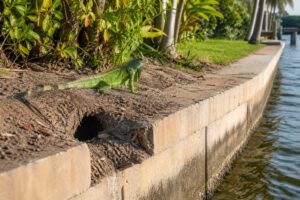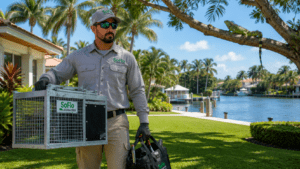
South Florida homeowners frequently face the challenge of managing invasive green iguanas that can damage landscaping and pose safety concerns. Multi-catch iguana traps are a practical tool for humane and efficient population control, but proper setup is crucial for success. In this article, we’ll explore advanced techniques tailored specifically for South Florida’s environment to maximize your trapping efforts while ensuring ethical and legal treatment of captured animals.
Understanding Multi-Catch Iguana Traps
Multi-catch traps are designed to hold several iguanas at once, making them ideal for areas with high iguana activity. Unlike single-catch traps, these allow you to capture multiple iguanas before needing to check and empty the trap, reducing the frequency of maintenance visits.
Commonly made of durable wire mesh with spring-loaded or gravity-operated doors, multi-catch traps should be sturdy enough to withstand repeated use and the strength of adult iguanas. Selecting the right trap size (typically at least 3 feet long and 1.5 feet wide) and mesh gauge is important for effectiveness and safety.
Choosing the Optimal Location for Your Trap
South Florida’s diverse residential and natural settings require strategic trap placement. Consider these key factors when locating your trap:
- High Activity Zones: Areas with frequent iguana sightings, such as near fruit trees, ponds, or shaded spots, are excellent candidates.
- Shade and Shelter: Placing traps in shaded locations prevents overheating, protects captured animals, and encourages iguanas to enter.
- Stable Ground: Ensure the trap rests on level, firm ground to prevent tipping or malfunction.
- Out of Sight: Position traps away from heavy foot traffic or pets to reduce disturbance and accidental triggers.
Effective Bait Selection and Placement
Successful trapping hinges on enticing iguanas inside. In South Florida, iguanas prefer fresh leafy greens and fruits. Here are bait recommendations:
- Leafy Greens: Collard greens, mustard greens, and dandelion leaves are highly attractive.
- Fruits: Mango slices, papaya, and berries can work well but may attract other wildlife.
- Placement Tips: Position bait at the rear of the trap to encourage full entry and trigger the door mechanism. Refresh bait regularly to maintain appeal.
Setting Up the Trap: Step-by-Step
Follow these steps to optimize your trap’s performance:
- Inspect the trap: Check for damage, ensure doors and latches operate smoothly.
- Secure the trap: Anchor it with stakes or weights to prevent tipping.
- Place bait properly: Arrange bait inside, far enough to trigger the door.
- Test the trigger: Activate the door mechanism manually to confirm responsiveness.
- Camouflage if needed: Use natural foliage to blend the trap with surroundings, avoiding excessive obstruction of entrances.
Safety and Humane Considerations
Humane treatment and adherence to local regulations are essential during trapping and removal efforts. Keep these points in mind:
- Regular Monitoring: Check traps frequently (at least twice daily) to minimize stress and prevent overheating.
- Legal Compliance: South Florida has specific rules regulating iguana trapping and relocation. Always follow guidelines to avoid penalties.
- Handling Captured Iguanas: Use gloves and handle animals gently. Release or relocate only through approved methods.
- Non-Target Species: Be aware of local wildlife that might inadvertently enter traps and release them safely.
Tips for Increasing Success Rates
Maximize your trapping effectiveness with these practical adjustments:
- Rotate bait types to maintain interest.
- Adjust trap position if no captures occur within several days.
- Use multiple traps in larger properties or high-activity zones.
- Maintain cleanliness; remove old bait residues that can deter iguanas.
FAQ: Multi-Catch Iguana Trapping in South Florida
Q: How often should I check my multi-catch trap?
A: Ideally, twice daily to ensure animal welfare and trap functionality.
Q: Can I release iguanas anywhere after capture?
A: No. South Florida has regulations that restrict relocation. Consult local wildlife authorities or professionals.
Q: Are multi-catch traps safe for pets and children?
A: When placed properly and monitored, traps minimize risks. Always position traps out of reach and supervise outdoor areas.
Q: What if non-target animals enter the trap?
A: Gently release them promptly and adjust bait or trap placement to reduce this occurrence.
Q: Do I need a permit to trap iguanas in South Florida?
A: Permits may be required depending on municipality. Check local regulations or consult a professional.
Conclusion and Next Steps
Multi-catch iguana traps, when set up with advanced techniques and local knowledge, offer an effective and humane way to manage iguana populations in South Florida. Remember to prioritize safety, legal compliance, and regular monitoring for the best results. For expert assistance in iguana control tailored to South Florida’s unique environment, contact SoFlo Iguana Pros at (561) 735-1975. Our experienced team is ready to help you protect your property responsibly and efficiently.