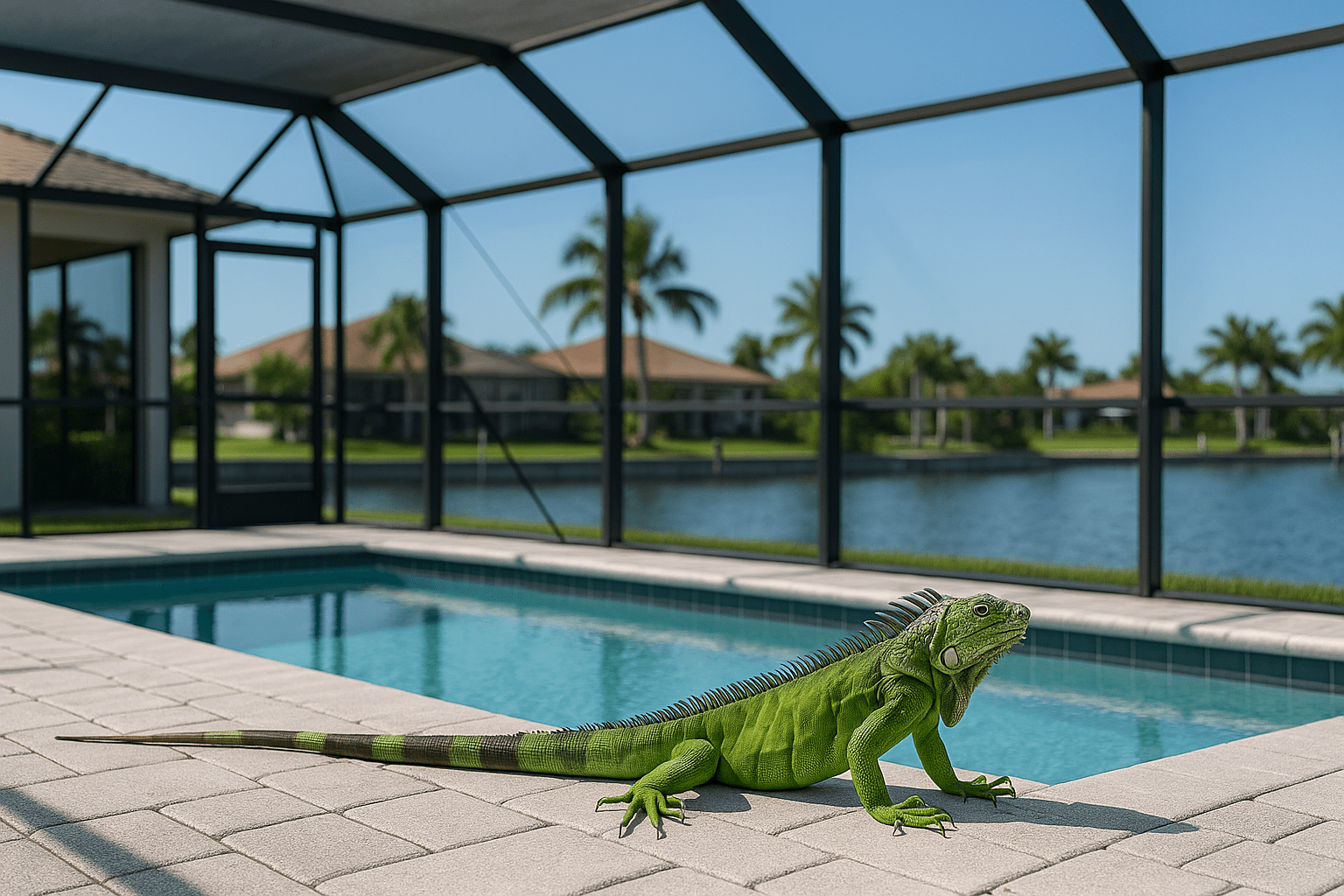
South Florida’s warm climate and lush surroundings make backyard pools a refreshing oasis. However, these same conditions attract iguanas, which can turn your pool area into a messy and troublesome spot. Iguanas can contaminate pool water, damage landscaping, and become a nuisance. If you’re a South Florida homeowner looking to maintain a pristine and pest-free pool environment, understanding iguana prevention is essential.
Why Iguanas Are Attracted to Pool Areas
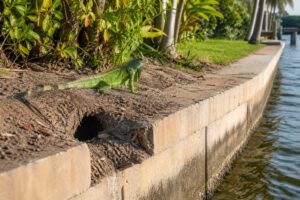
Iguanas thrive in South Florida due to the warm weather and abundant vegetation. Pools offer a cool water source and nearby plants provide food and shelter. They are often drawn to pool decks and water features where they feel safe and can regulate their body temperature. Unfortunately, their presence can lead to fecal contamination in the water and damage to poolside plants.
Effective Iguana Deterrents for Your Pool Area
Preventing iguanas from invading your pool space requires a combination of deterrents tailored to South Florida’s environment. Here are some proven strategies:
- Physical Barriers: Install fences or mesh screens around the pool perimeter to reduce iguana access. Use materials that are at least 4 feet high and difficult to climb.
- Remove Food Sources: Trim vegetation near the pool and avoid planting iguana-attractive plants like hibiscus or crotons close to water features.
- Motion-Activated Sprinklers: Sudden water sprays can discourage iguanas from lingering near the pool.
- Ultrasonic Repellents: Devices emitting high-frequency sounds may deter iguanas, though results vary and should be combined with other methods.
- Visual Deterrents: Reflective objects or predator decoys can sometimes discourage iguanas but should be relocated regularly to maintain effectiveness.
Maintaining a Clean Pool to Minimize Iguana Attraction
Cleanliness is key to reducing iguana visits. Here are essential tips to keep your pool water inviting only to humans:
- Regular Skimming and Cleaning: Remove leaves, debris, and droppings promptly.
- Maintain Proper Chemical Levels: Balanced pH and sanitizer levels discourage algae growth and reduce organic matter that attracts iguanas.
- Cover the Pool When Not in Use: Pool covers limit access and reduce water evaporation, making the area less appealing to wildlife.
- Clear Surrounding Areas: Keep pool decks free of food scraps and pet dishes that might attract iguanas or other wildlife.
Humane Iguana Removal and Trapping Considerations
If deterrents aren’t enough and iguanas become a persistent problem, humane removal may be necessary. In South Florida, it’s important to follow local wildlife regulations when trapping or relocating iguanas to protect the ecosystem and comply with legal guidelines.
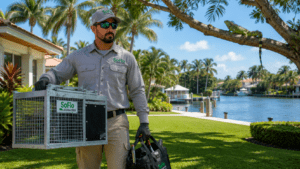
Professional wildlife control services like SoFlo Iguana Pros use safe, humane traps and baits designed specifically for iguanas. They also ensure that captured animals are handled respectfully and relocated appropriately to minimize stress and harm.
Homeowners attempting DIY trapping should consider these points:
- Choose traps sized for iguanas and place them in shaded, frequented areas.
- Use appealing bait such as fresh fruits or leafy greens.
- Check traps frequently to avoid prolonged stress on captured animals.
- Never release iguanas in unauthorized areas; consult local wildlife authorities.
Landscaping Tips to Discourage Iguanas
Strategic landscaping can reduce iguana interest in your pool area. Consider these tips:
- Remove or replace plants that attract iguanas with more iguana-resistant species.
- Use gravel or mulch around the pool instead of dense shrubbery where iguanas can hide.
- Prune overgrown branches and ground cover to eliminate shelter spots.
- Incorporate natural predator deterrents such as hawk or owl decoys, moving them regularly.
Frequently Asked Questions About Iguana Pool Prevention
Can iguanas swim in pools?
Yes, iguanas can swim and often enter pools to cool off, but they may struggle to climb out, leading to distress and potential water contamination.
Are iguanas harmful to humans or pets?
Iguanas are generally not aggressive but can bite or scratch if threatened. They also carry bacteria that can cause infections, so keeping them away from pool areas is important.
Is it legal to trap and relocate iguanas in South Florida?
Local regulations vary, but humane trapping and relocation typically require adherence to wildlife guidelines. Professional control services ensure compliance and ethical handling.
What plants repel iguanas?
Plants with strong scents or tough textures, such as rosemary, lemongrass, or bougainvillea, are less attractive to iguanas and can be used to deter them.
How often should I check my pool for iguana activity?
Regular daily or weekly inspections during warm months help detect iguana presence early and allow prompt action to prevent infestations.
Conclusion: Protect Your South Florida Pool with SoFlo Iguana Pros
Keeping your pool area clean and iguana-free requires a blend of prevention, maintenance, and sometimes expert intervention. South Florida’s unique environment demands tailored wildlife control solutions that respect local laws and promote humane treatment. For reliable iguana prevention and removal services, contact SoFlo Iguana Pros at (561) 735-1975. Our experienced team is dedicated to helping you enjoy a safe, clean, and pest-free pool all year round.