Not every animal in the yard needs a phone call. Here's an honest line between what you can handle yourself and what's worth bringing in a pro for.
We'd rather give you an honest line than talk you into a service call you don't need. Plenty of wildlife in a Palm Beach County yard is either harmless or something you can manage with a few changes. Some of it genuinely warrants a professional — for safety, for the law, or because doing it wrong makes it worse. Here's how we'd draw the line.
This is general guidance, not legal, medical, or veterinary advice, and it doesn't override the specifics of your situation. When in doubt about a health or legal question, check with the relevant authority.
When you probably don't need to call
A lot of situations resolve with patience and a few yard changes. An opossum passing through is eating your ticks and roaches and will move on; a single native toad is harmless; one iguana sunning on the dock some mornings isn't a colony. In these cases, securing food and water, closing obvious gaps, and giving it time does more than a service call would.
- A native toad or a lone opossum out in the yard, doing no harm.
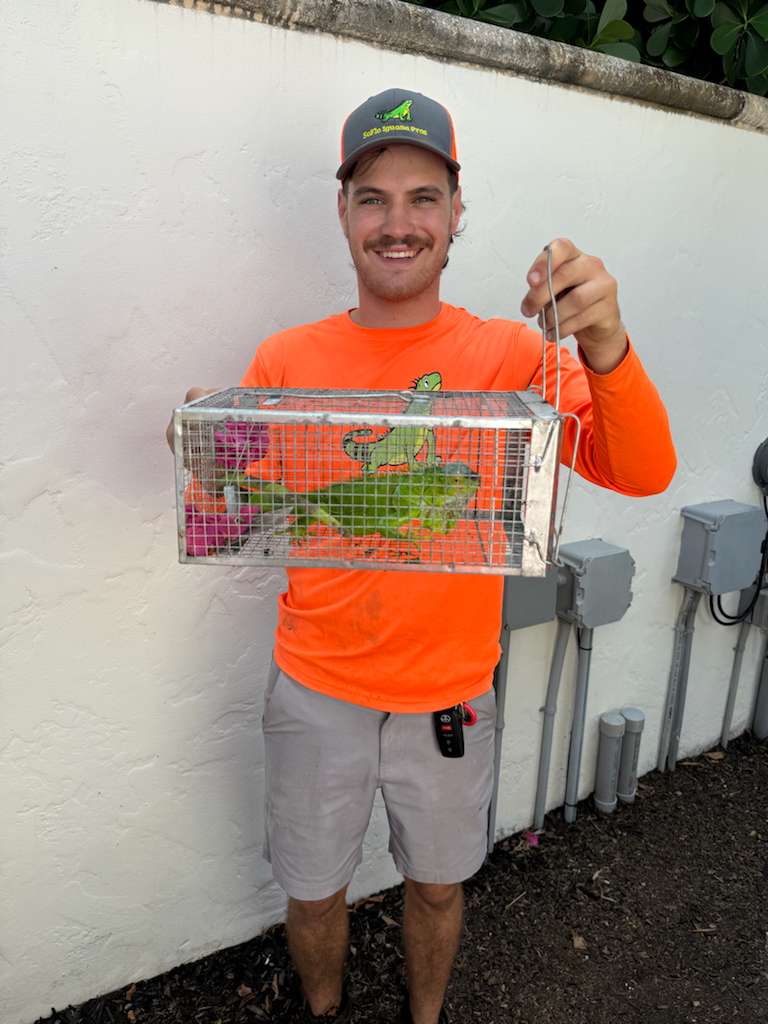
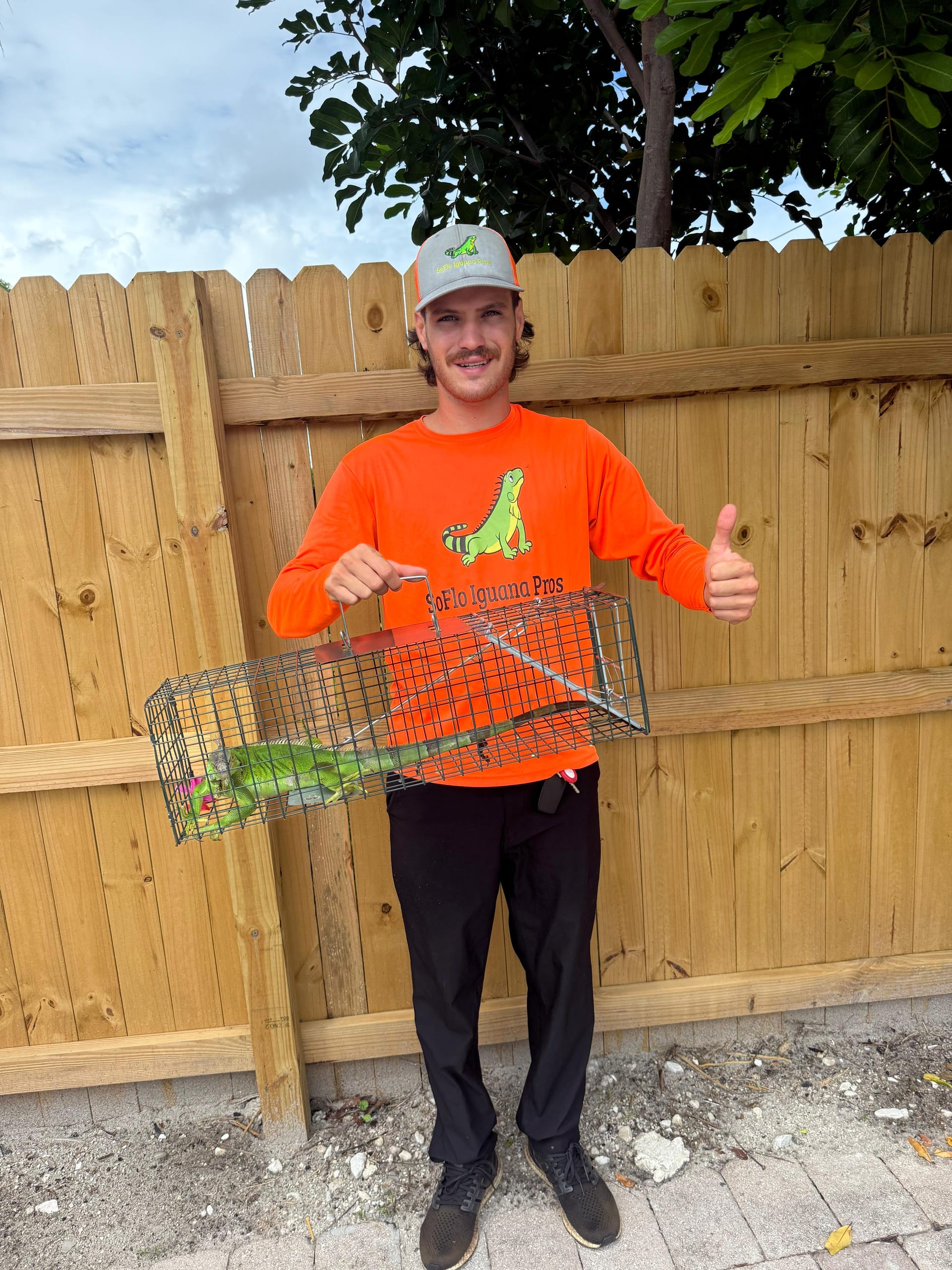
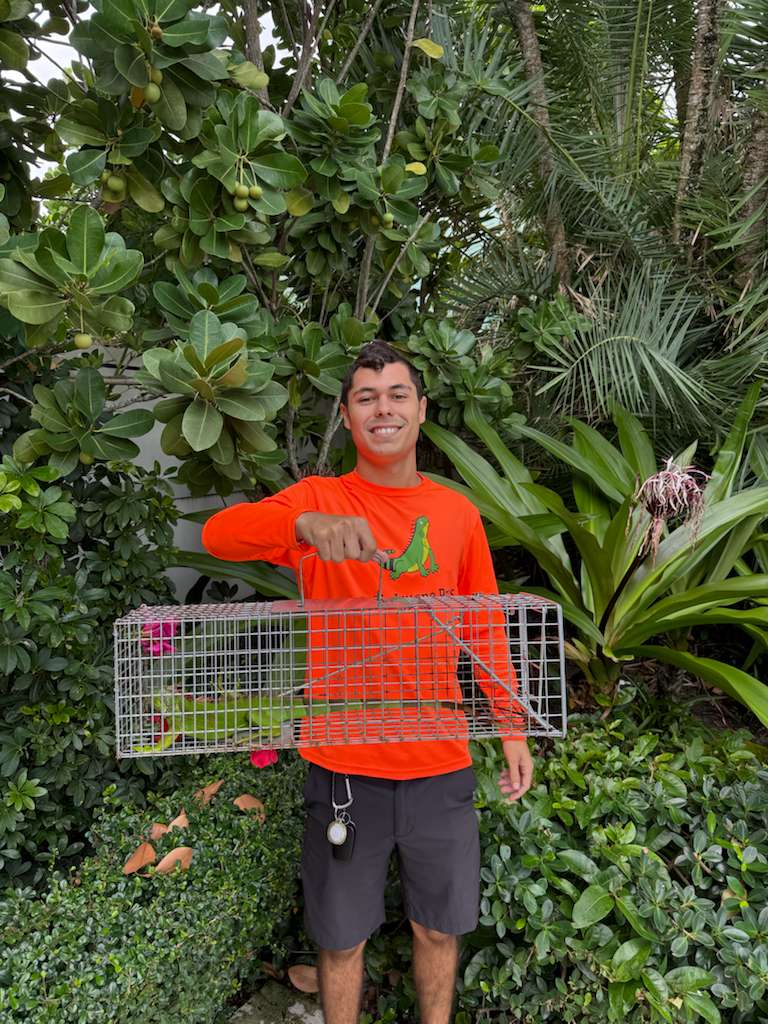
- A single iguana that comes and goes without any burrows or landscape damage.
- General prevention — securing trash and pet bowls, thinning plants, wrapping a tree — that you're comfortable doing yourself.
When it's worth the call
Some situations tip toward a pro because of safety, the law, difficulty, or the cost of getting it wrong. These are the ones where a call usually saves money or trouble down the line.
- An animal inside the structure — a raccoon in the attic, an opossum in a crawlspace, anything in the walls.
- Young present — a female raccoon or opossum with pups in season, where the wrong move leaves a litter dying in the wall.
- A rabies-vector species like a raccoon that needs handling, which isn't a bare-handed job.
- A dead animal you can smell but can't find, or a cold-snap iguana carcass.
- Protected-vs-non-native identification calls — Muscovy ducks and Egyptian geese, where touching the wrong bird is a legal problem.
- Heavy iguana pressure on a seawall or bank, where burrows and climb routes need real work.
The 'doing it wrong makes it worse' cases
A few situations aren't just hard — they backfire. Evicting a mother raccoon while pups stay behind gets you dead young in the walls. Trapping and relocating an animal can run into Florida's nuisance-wildlife rules. Removing a protected native bird because you thought it was an invasive is a genuine legal problem. Filling a single iguana burrow on an occupied bank accomplishes nothing. In each of these, the DIY attempt tends to cost more than the call would have.
How to decide in the moment
The quick test we'd offer: is anyone or any pet at risk, is the animal inside the structure, is there a legal identification question, or are there young involved? A yes to any of those is a call. If it's a harmless animal out in the yard and you're just annoyed, start with attractants and patience — and call if it doesn't move on or turns into a den. There's no shame in either answer; the point is matching the response to the actual situation.
Questions we hear
Do I need a pro for every animal in my yard?
No, and we'll tell you when you don't. A native toad, a lone opossum, or a single passing iguana usually needs nothing but patience and a few yard changes. The calls worth making are for animals inside the structure, young present, rabies-vector species, dead-animal finds, and protected-vs-non-native ID questions.
What makes a situation genuinely worth calling about?
Safety, the law, or the cost of getting it wrong. An animal in the attic or walls, a female with young in season, a raccoon that needs handling, a dead animal you can't find, or a protected-vs-invasive bird ID are all cases where a DIY attempt tends to make things worse or run into Florida's rules.
Is DIY removal ever a mistake?
It can be. Evicting a mother raccoon while pups stay behind leaves a litter dying in the wall; relocating animals can run into Florida's nuisance-wildlife rules; removing a protected native bird you mistook for an invasive is a legal problem. When any of those risks are in play, the call usually costs less than the mistake.
Services in this guide