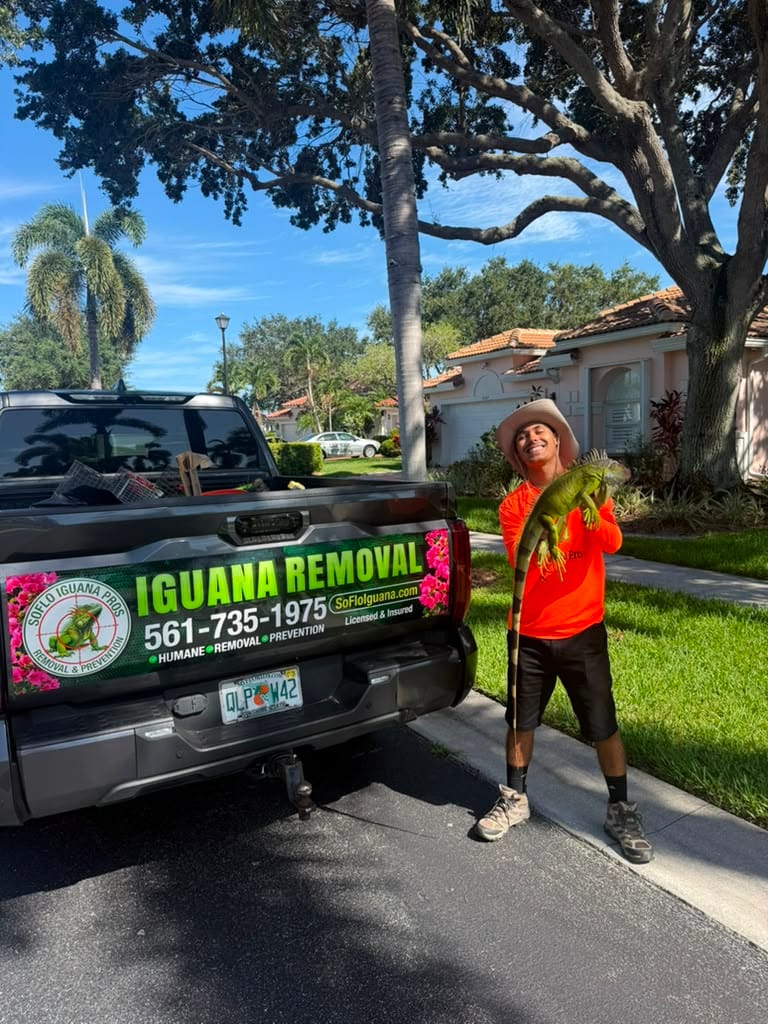
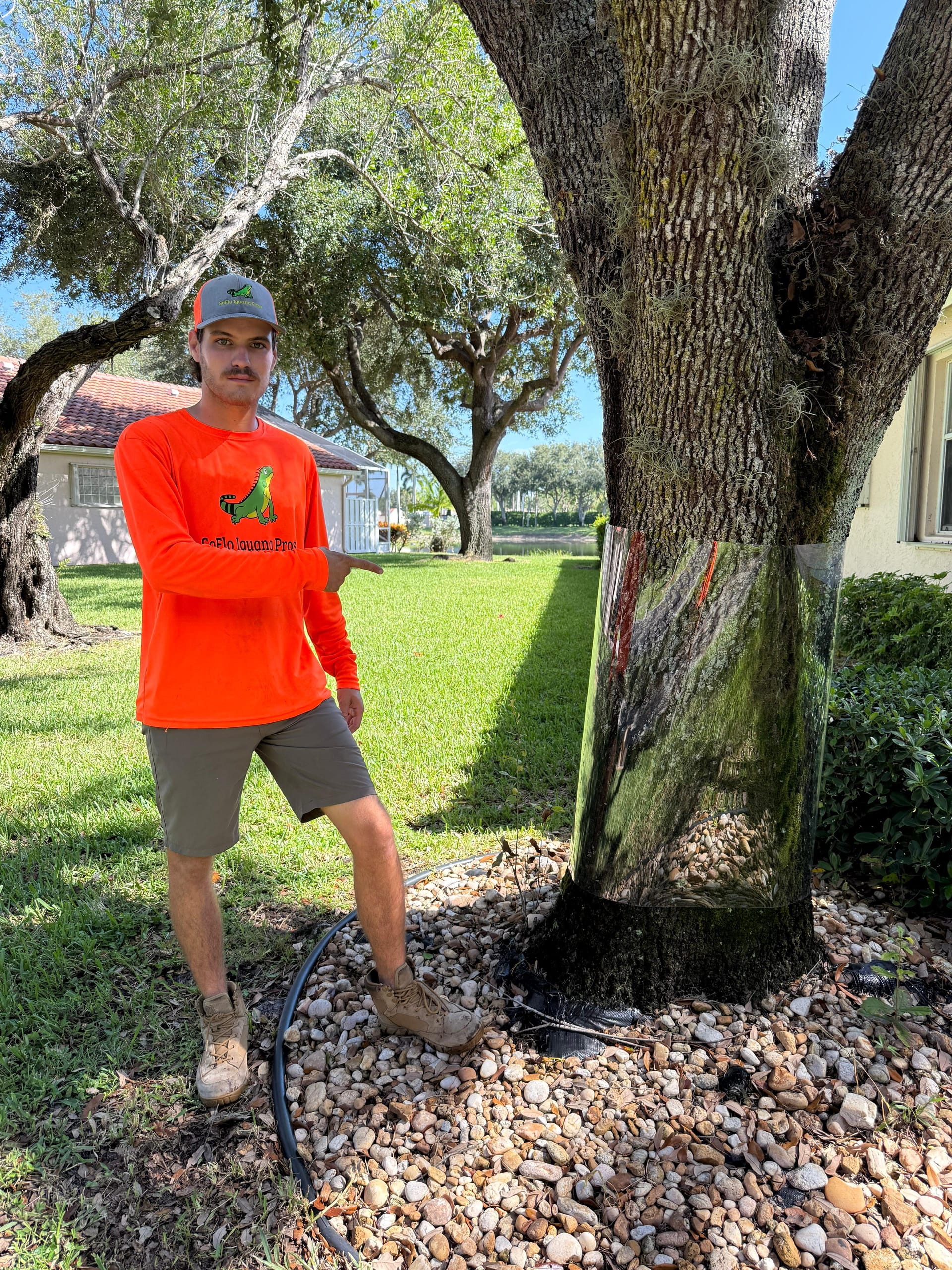
You can't clear cane toads at two in the afternoon; they're hidden somewhere cool and damp. It's a nighttime job. We come after dark with a light, when the toads are actually out, confirm we're looking at invasive cane toads and not harmless natives, and collect them by hand. No poisons or sprays around where your pets and kids play.
Hand-collection after dusk is genuinely the method that works. Store-shelf repellents are unreliable, and poisons are both risky around pets and cruel — so we don't use them near homes.
Cutting what draws them in
Removal clears tonight's toads. Keeping them gone means taking away what pulls them in, and that's mostly about water, food, and light.
- Empty birdbaths, saucers, and pet bowls, and fix low spots that hold rain
- Bring pet food indoors at night — it feeds toads and the pests they hunt
- Rethink bright outdoor lights that draw the insects toads come to eat
- Consider barrier fencing around a pool deck or dog run
Why one sweep isn't always enough
During the warm, wet breeding season a single sweep rarely holds, because fresh toads move in off nearby retention lakes, canals, and neighboring yards. Scheduled follow-up sweeps keep the numbers down when it matters most, through the summer stretch when calls spike.
On larger properties and in communities, we build a program around that reality rather than promising one visit will end it. The honest picture is that steady pressure works and a single night rarely does.
Common questions
Do toad repellents or poisons work?
We don't use poisons near pet areas, and store repellents are unreliable. Hand-collection after dark plus cutting the attractants — standing water, outdoor pet food, bright lighting — is what actually works.
Can I just fence the toads out?
Barrier fencing around a pool deck or dog run helps a lot, especially for households with a dog that keeps finding toads. We'll tell you where it makes sense as part of the assessment.
How long until I see fewer toads?
A sweep clears that night's toads immediately, but in breeding season fresh ones move in, so the drop you'll actually keep comes from combining collection with removing water and food. Scheduled sweeps hold the line through summer.