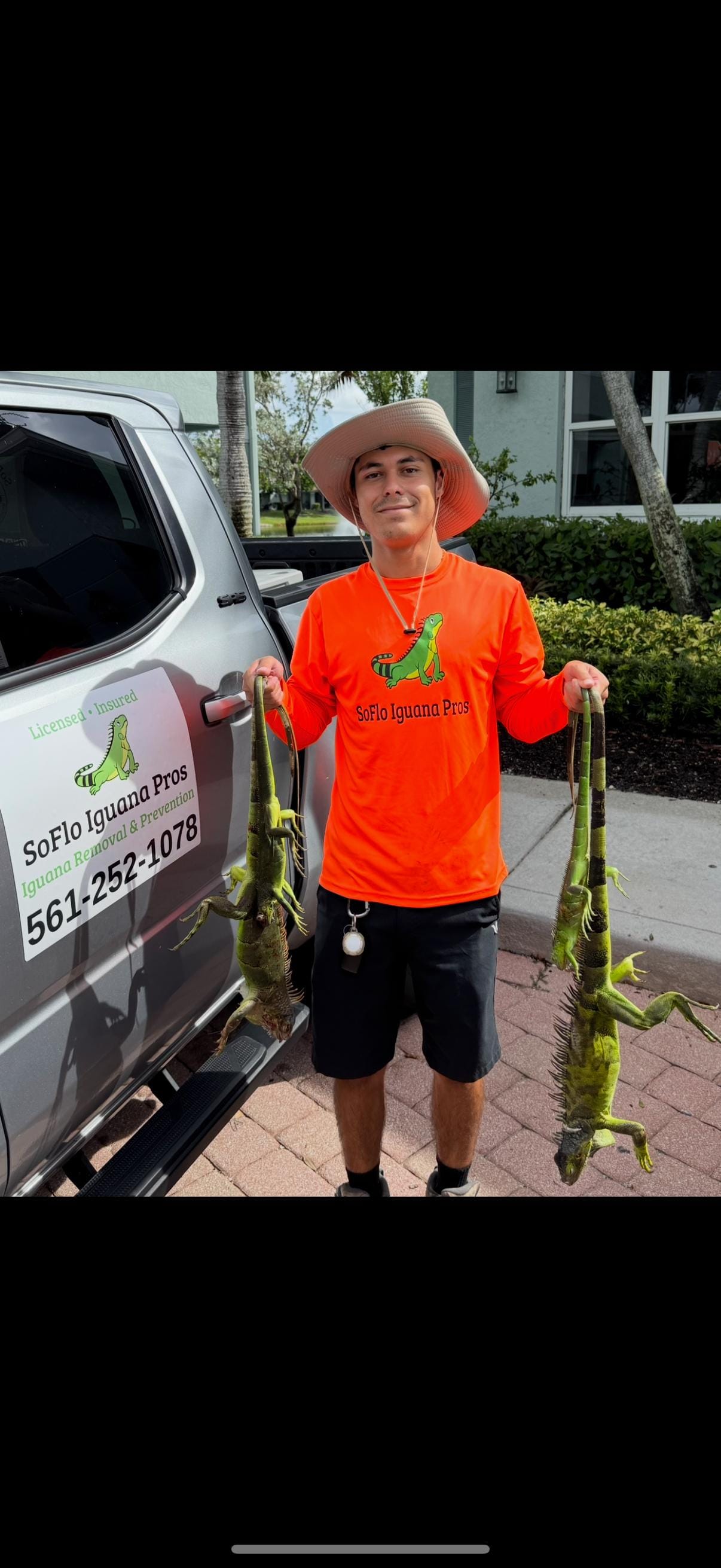
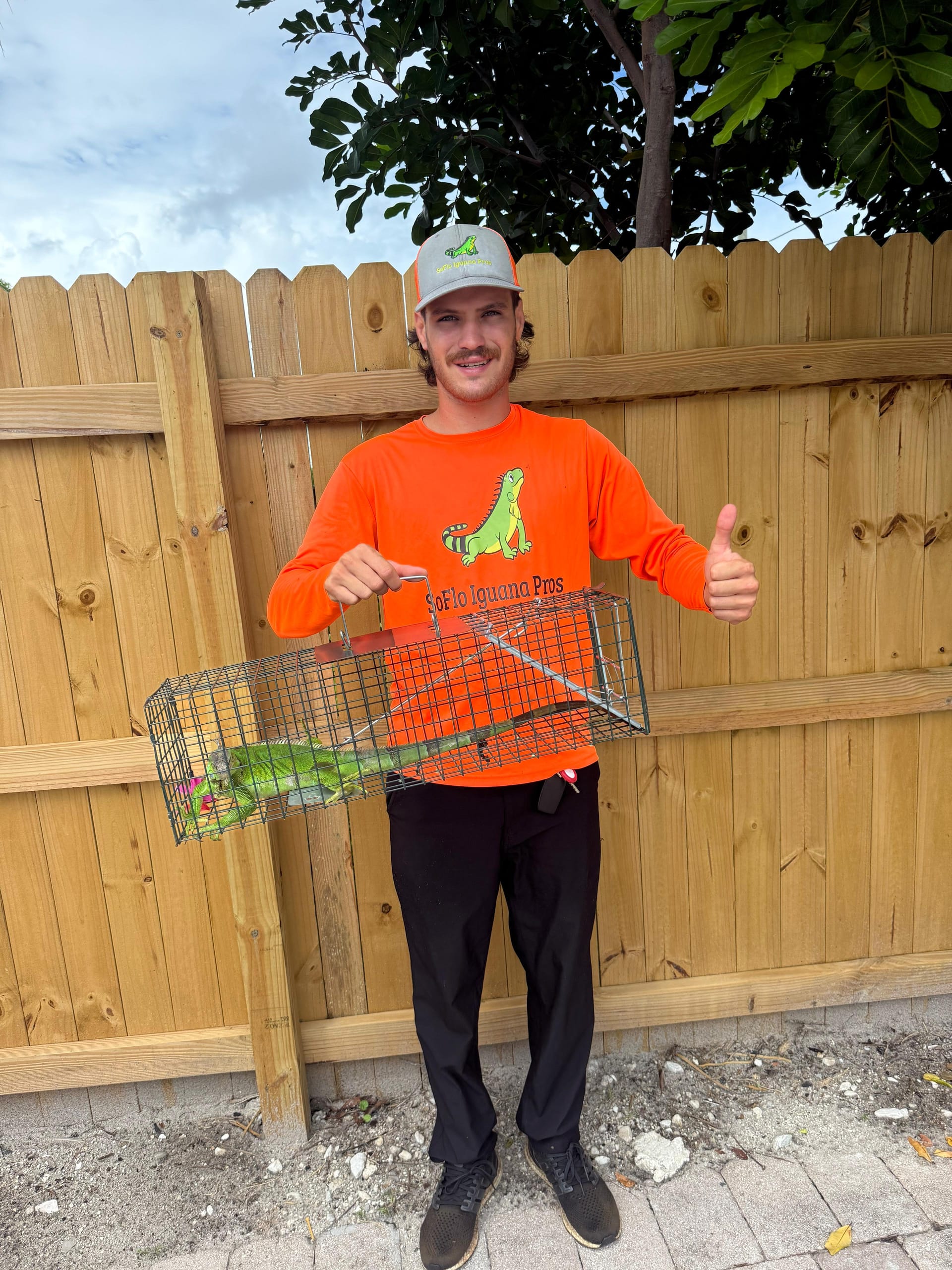
Raccoons, opossums, coyotes, toads, and iguanas all show up for the same three reasons. Take away food, water, and shelter and most of your wildlife problem walks off on its own.
After enough Palm Beach County yards, you notice the same thing: the properties with a wildlife problem are almost always offering something the neighbors aren't. Raccoons, opossums, coyotes, cane toads, and iguanas are different animals with different habits, but they show up for the same three reasons — food, water, and shelter. Cut the supply and most of the problem loses interest.
This is general prevention guidance, not a guarantee about your specific property or a legal or health authority. Think of it as the attractant checklist we walk owners through before we talk about removing anything.
Food is the number-one draw
An easy meal is what turns a passing animal into a regular. This is the single biggest lever on almost every species we deal with, and it's also the cheapest to fix.
- Pet food and water bowls left outside overnight — feeds raccoons, opossums, coyotes, and draws toads to the water.
- Open or unsecured trash cans — the classic raccoon and coyote magnet.
- Fallen mango, avocado, and other fruit under the tree — teaches coyotes and raccoons the block is worth a visit.
- Hibiscus, bougainvillea, and tender landscaping — the buffet that draws iguanas.
- Bird feeders that spill seed, which feeds rodents that in turn draw the predators.
Water and the insects it brings
Standing water does double duty: it's a drink and a breeding site, and it concentrates the insects that other animals come to eat. Cane toads in particular breed in it and hunt the bugs your outdoor lights pull toward it. Birdbaths, plant saucers, clogged gutters, pool overflow, and low spots that hold rain after a storm are all part of the draw. Outdoor lights left burning add to it by turning your patio into an insect trap that toads and other night hunters work.
Shelter turns a visit into a residency
Food and water bring animals through; shelter makes them stay. A gap under a deck or shed, a torn crawlspace vent, an open soffit or fascia gap on the roofline, and soft canal-bank soil for iguana burrows are all invitations to den. Once an animal has a den on your property, you've gone from a passer-by to a resident — and resident animals are a much bigger job to clear.
- Gaps under decks, sheds, and porches — prime opossum and raccoon dens.
- Open soffits, gable vents, and rotted fascia — the raccoon's route into the attic.
- Torn crawlspace vent screens — an easy squeeze for opossums.
- Soft, sun-warmed canal and lake banks — ideal iguana burrowing.
The order that works
Prevention only holds if you clear the residents first. Hardening a yard that already has a raccoon in the attic or an iguana colony in the bank just locks them in. So the sequence is: get the current animals out, then take away the food, dry up the water, and seal the shelter. Do it in that order and the yard becomes the hard one on the block — so the next animal keeps moving instead of moving in.
Questions we hear
What's the single most important thing to fix?
Food, almost always. An easy meal — outdoor pet bowls, open trash, fallen fruit — is what turns a passing raccoon, coyote, or opossum into a regular. It's also the cheapest change to make. Cut the food first and you'll often see the pressure drop before you touch anything else.
Will removing attractants clear animals that are already denning?
No — prevention keeps new ones from settling; it doesn't evict the ones already living under the deck or in the attic or the canal bank. You clear the residents first, then remove the attractants and seal the shelter. Hardening an occupied property just traps the current animals in place.
Do these steps work for every species?
The food-water-shelter framework applies broadly — raccoons, opossums, coyotes, toads, and iguanas all respond to it — but the specifics differ. Iguanas need burrow and climb-route work; coyotes need hazing on top of attractant control. Treat this as the foundation and layer the species-specific piece on top.
Services in this guide