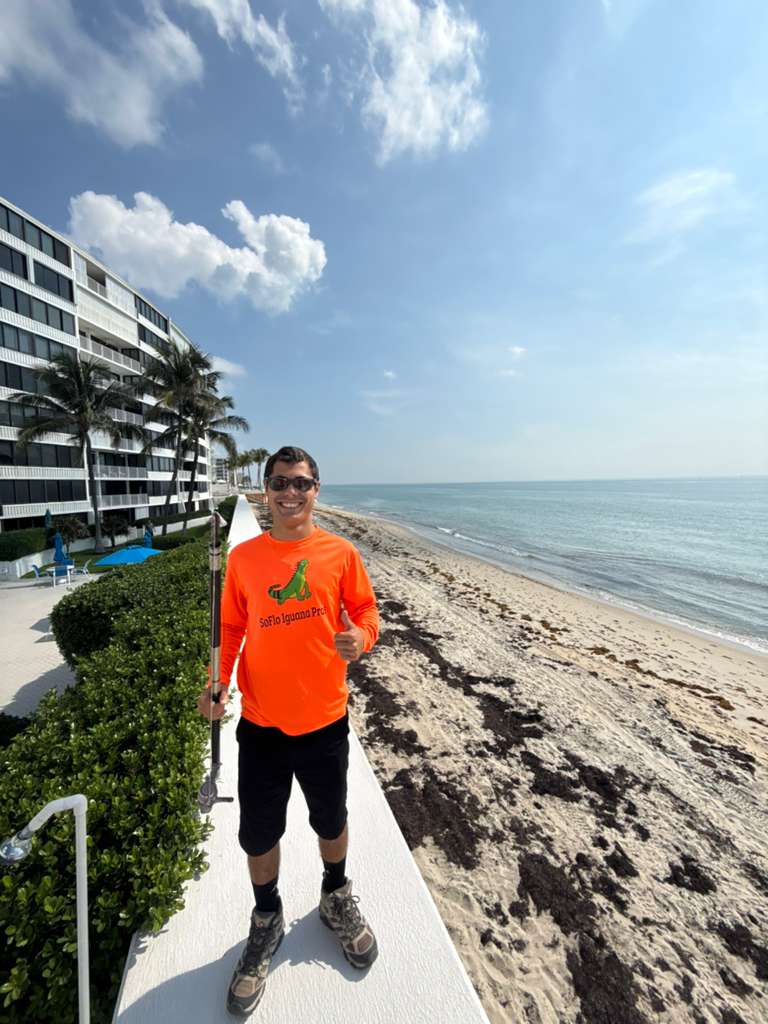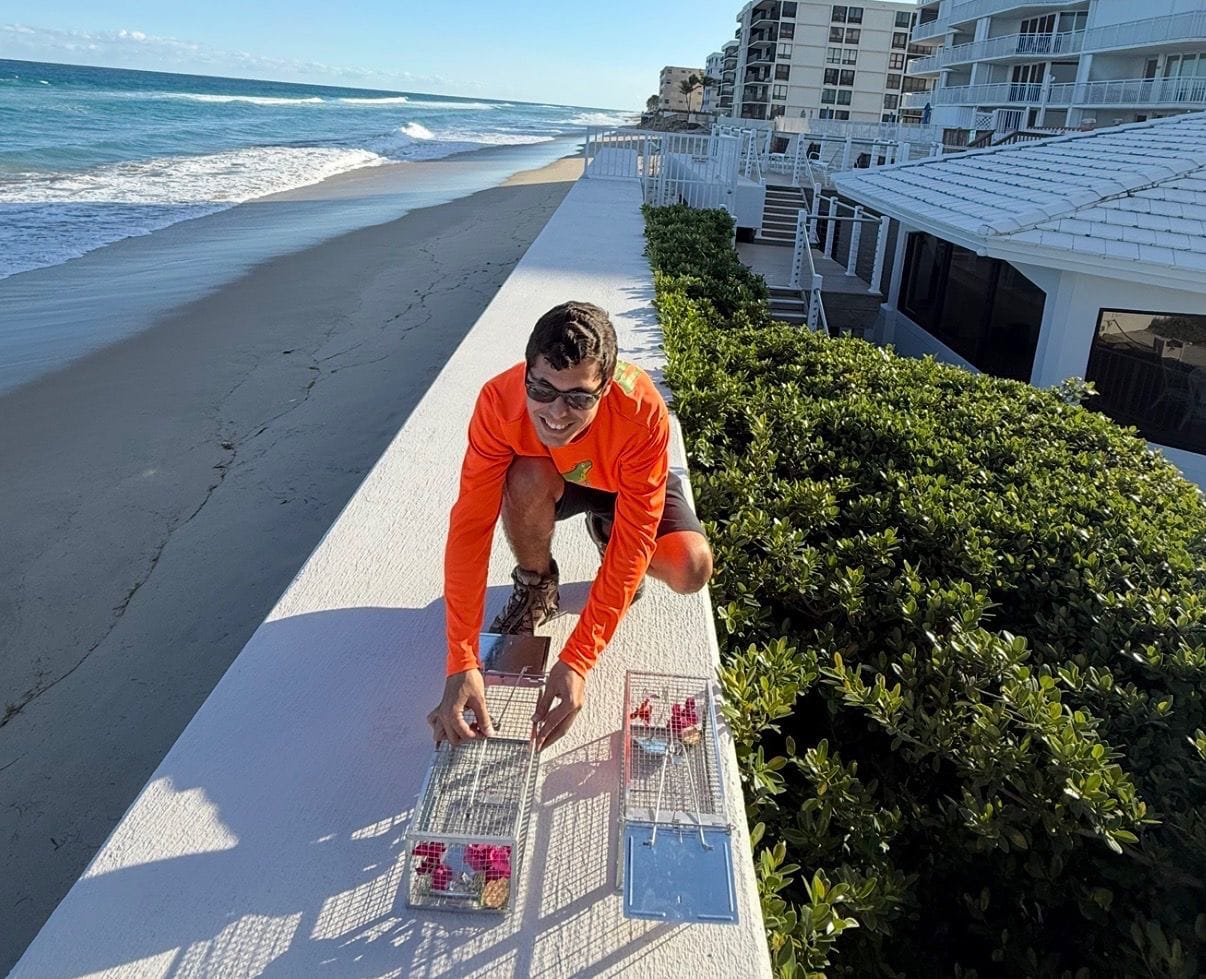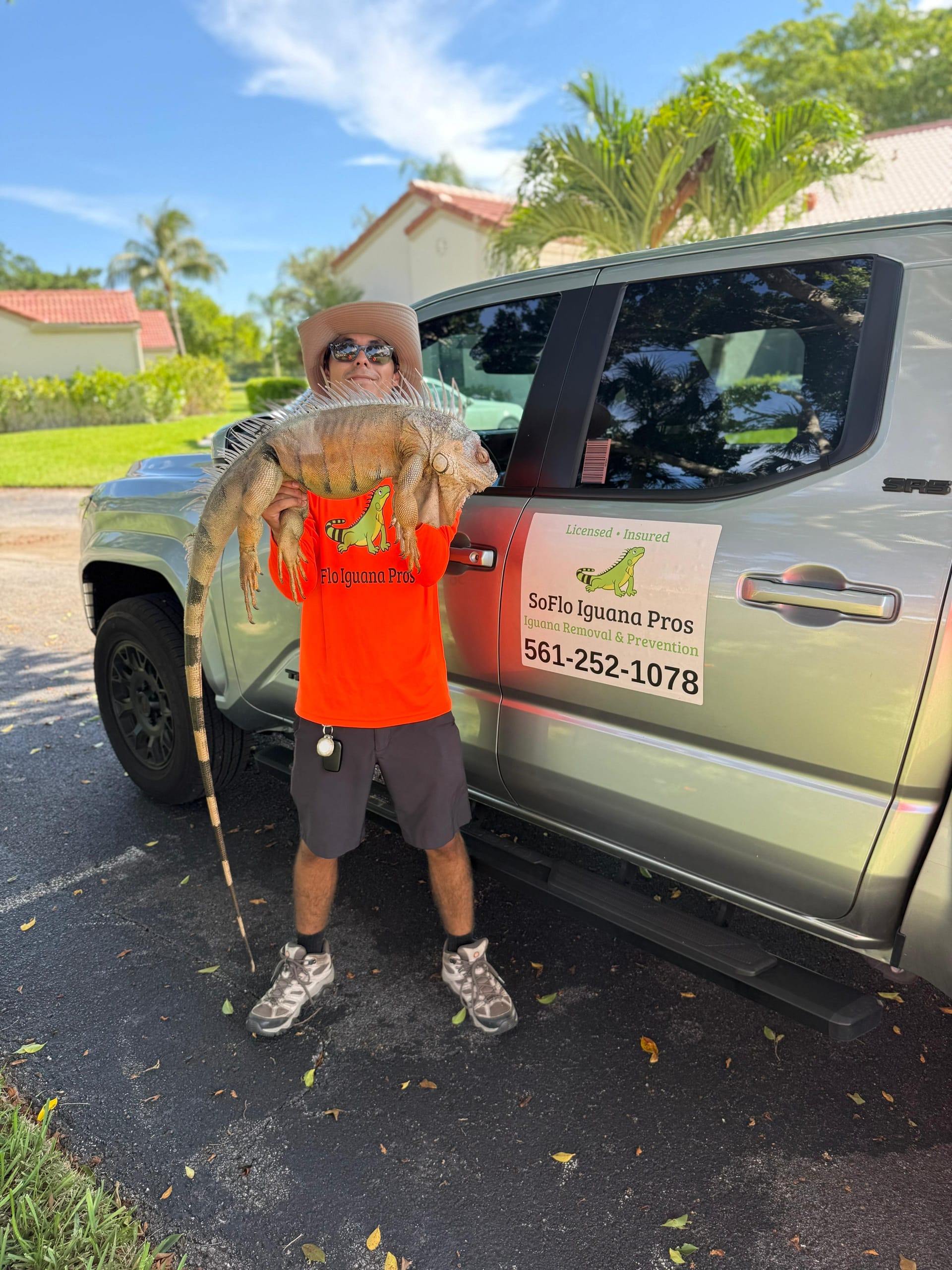
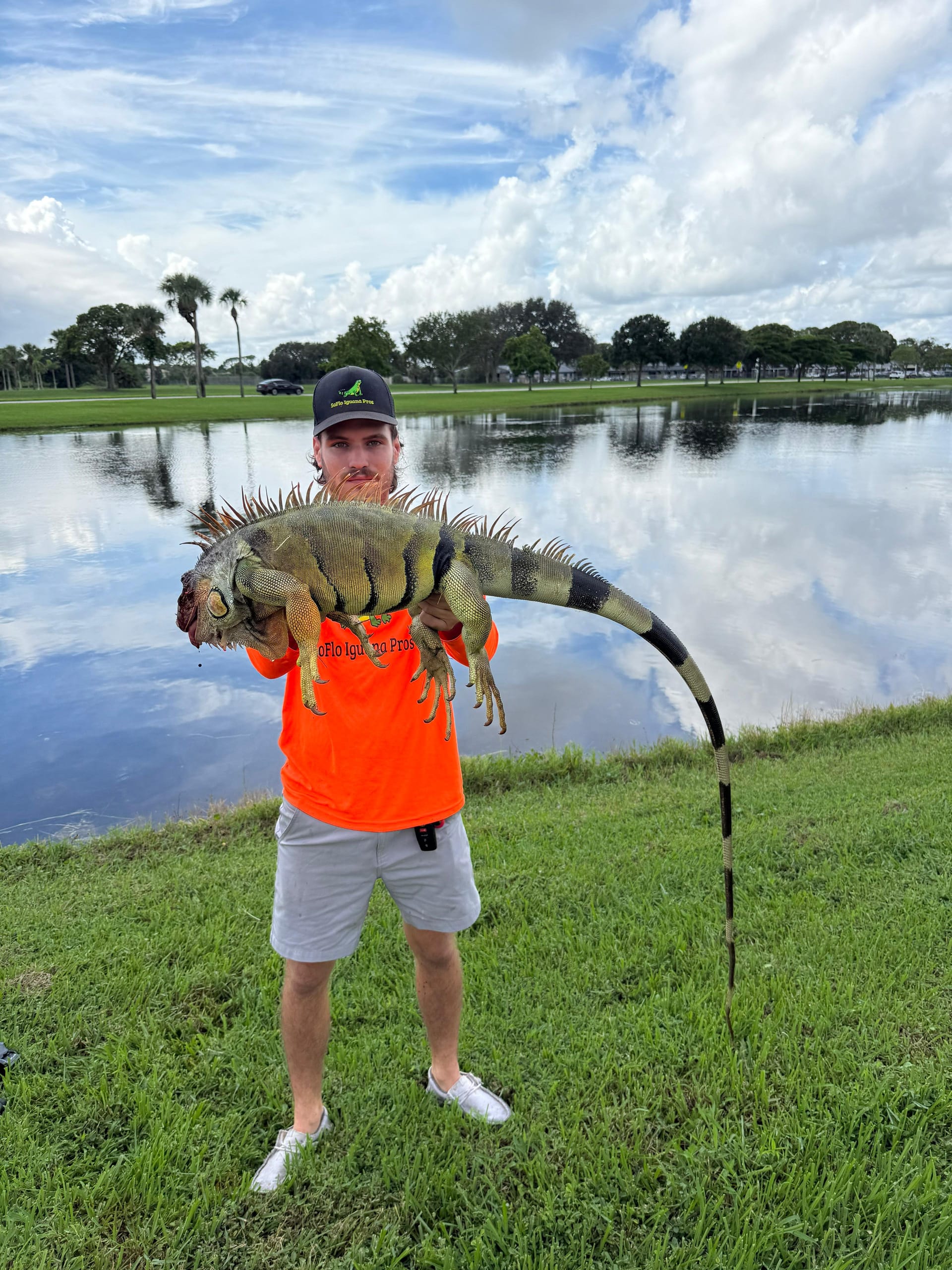
Iguana burrowing into levees and canal-control structures made national news. Here's the local lesson for anyone with a seawall or a community lake bank.
A few years back, iguana burrowing into water-control infrastructure in South Florida — dams, levees, and canal-control berms — made the news and put a number on something we see on a smaller scale every week: these animals dig, and what they dig into fails. When engineers are worried about iguanas undermining a flood-control structure, it should tell a homeowner something about their seawall.
We're not water-management engineers, and we won't pretend to speak to the specifics of any public structure. But the underlying behavior is exactly what we deal with on private seawalls and community lake banks across the county, and the lesson scales down cleanly.
The lesson: burrows compromise anything holding back soil or water
The reason iguana burrowing worries the people who maintain levees and control structures is the same reason it should worry a waterfront homeowner or an HOA board. A burrow network moves soil out of a bank and gives water a path through it. In an earthen levee that's a failure risk; in your seawall backfill it's a slumping cap and a washed-out bank. Same mechanism, different scale.
If the animal can hollow out a structure engineers designed to hold back water, the soft backfill behind a residential seawall doesn't stand a chance without management. That's the whole point.
How it plays out on a private seawall
On a home or community property the failure is quieter but the process is identical. A female nests in the backfill in spring, the tunnel becomes a reused den, the network extends, and over months soil migrates out from behind the cap. Rain and tidal action pull more through the gaps, the cap loses support, and the bank starts tipping toward the water.
The tell-tale signs are worth catching early, because the difference between a patch and a rebuild is how long the burrowing ran unmanaged.
- Half-moon holes at the waterline and soft spots in the lawn behind the cap.
- Hairline cracks and opening seams in the seawall cap.
- Sod, pavers, or walkways near the wall settling unevenly.
- Erosion channels where soil visibly migrates toward the water after rain.
Why community banks deserve the same seriousness
For an HOA or a golf club, the dam story is a useful frame for the board. The lake banks and shared seawalls the association is already obligated to maintain are structures holding back soil and water, and iguana burrowing undermines them the same way it undermines a levee — just slower and out of sight. Treating iguana control as reserve protection rather than nuisance abatement follows directly from that.
A honeycombed community bank slumps eventually, and shoreline restoration dwarfs the cost of keeping the population down. The public infrastructure story just makes the stakes visible.
The takeaway for your property
You don't need a levee to take burrowing seriously. If you have a seawall, a canal bank, or a community lake, the same animal is doing the same thing to your structure that made the news doing it to public ones. Removal paired with proper burrow collapse stops the cause before it becomes a repair. Single visits start at $125; monitored programs from $99 a month keep a fed bank from re-honeycombing after a clear-out.
Questions we hear
Can iguanas really damage a dam or levee?
Their burrowing has been flagged as a concern for water-control structures in South Florida, which is why it made news. We're not water-management engineers and won't speak to any specific public structure, but the behavior — burrows moving soil and giving water a path — is exactly what we see undermining private seawalls.
If it happens to a levee, what does that mean for my seawall?
That your seawall backfill is even more vulnerable, since it's softer and less engineered than a levee. Burrows hollow out the bank, the cap loses support, and it slumps — the same mechanism at a smaller scale. Removal plus proper burrow collapse is what stops it.
How do I know if burrowing has already weakened my bank?
Look for half-moon holes at the waterline, soft or sunken spots in the lawn near the wall, hairline cracks in the cap, and pavers or sod settling unevenly. Any of those means the structural clock is running and it's worth a look before the next heavy rain or storm.
Services in this guide