A step-by-step playbook for boards and managers in Palm Beach County — from the first assessment to a program the treasurer can defend at the annual meeting.
Most boards inherit an iguana problem rather than choose to take one on. The lake banks were fine when the community was built, and then one nesting season turned into three, and now there are burrows along the shoreline, droppings on the amenity deck, and a stack of resident emails. This is the playbook we walk boards and managers through — not a sales pitch, just the order of operations that actually holds in a Palm Beach County community.
The through-line is simple: iguanas re-colonize continuously from adjacent water, so a community program has to be a program, not a one-time visit. Everything below is built around that fact.
Step one: a mapped assessment
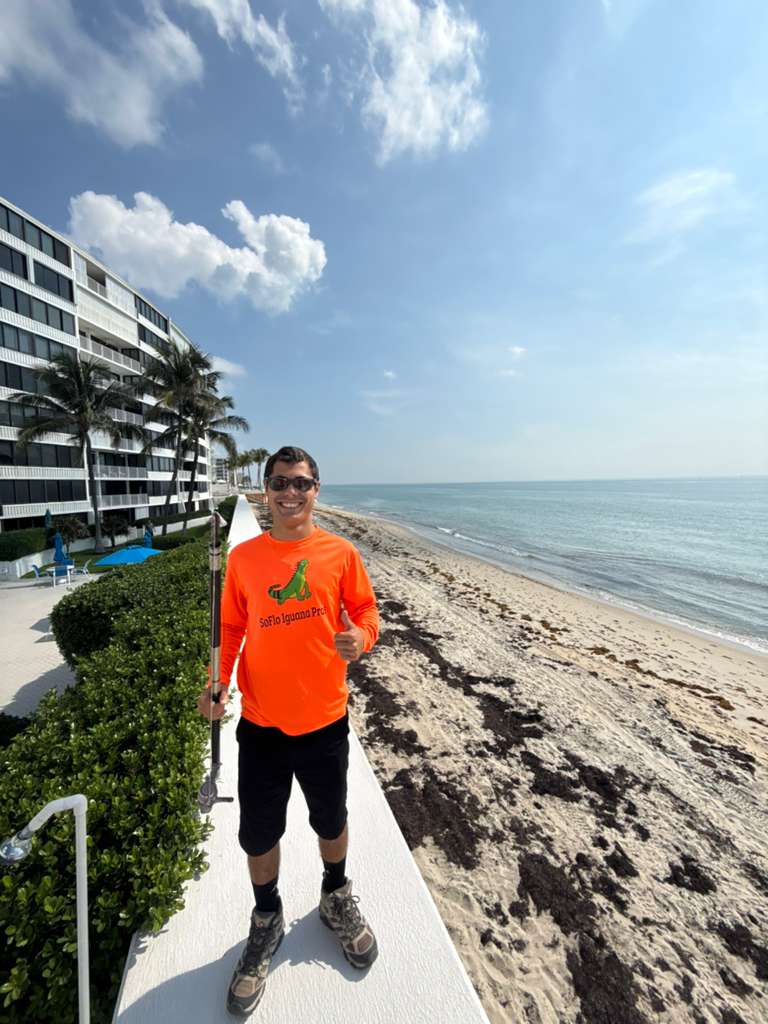
Before anyone quotes a number, the common areas need a walk. That means the lake banks, the seawalls and canal edges, the beds against the clubhouse, and the amenity decks — the whole footprint the association is obligated to maintain. The point is to find where the pressure actually is, not to guess. On most communities the burrows cluster in two or three predictable stretches, and that map is what a sensible scope is built on.
This assessment is free, and it's the same first step whether you eventually approve a full program or just a seasonal clear-out. You can start it from /commercial/hoa or the general /commercial page.
Step two: a written proposal the board can vote on
Boards don't approve vague. They approve a scope, a cadence, and a price on one page. Our proposals lay out which common areas are covered, how often a technician is on-site, what each visit includes — removal, trapping, burrow collapse, climb-route work — and the monthly figure. Pricing is custom because a 40-unit lakefront association and a 300-unit gated community are not the same job, but the assessment that produces the number costs nothing.
There's no lock-in. If the program isn't earning its keep, a board can end it. We'd rather keep the work by being worth it than by a contract clause.
Step three: scheduled service and documentation
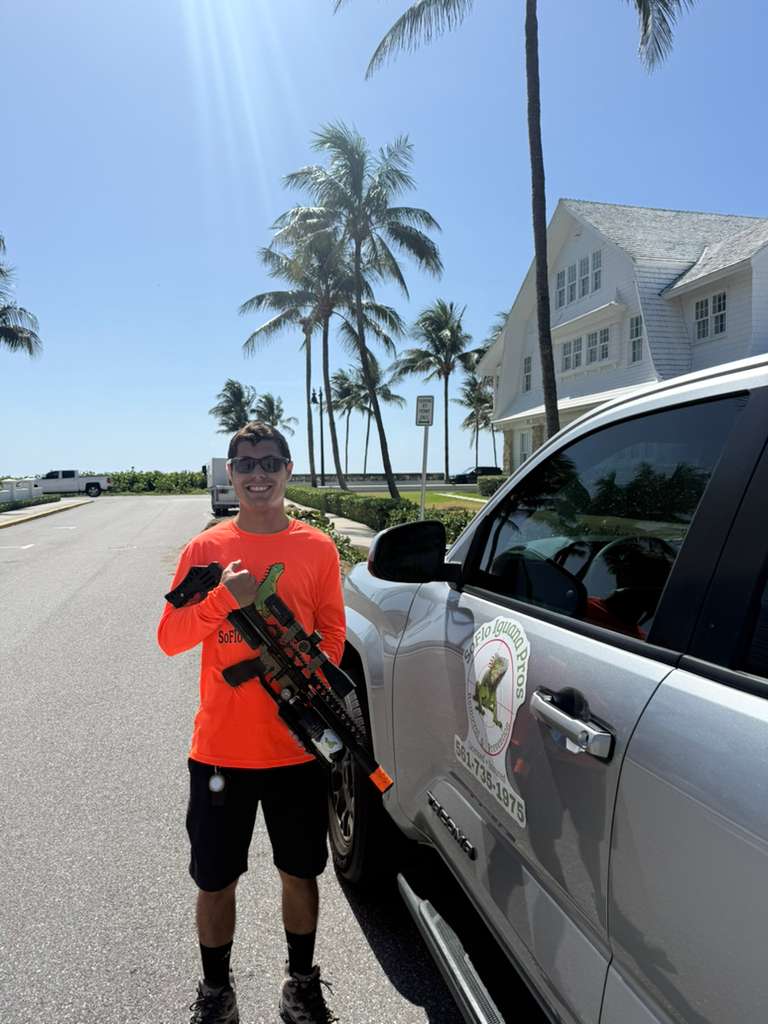
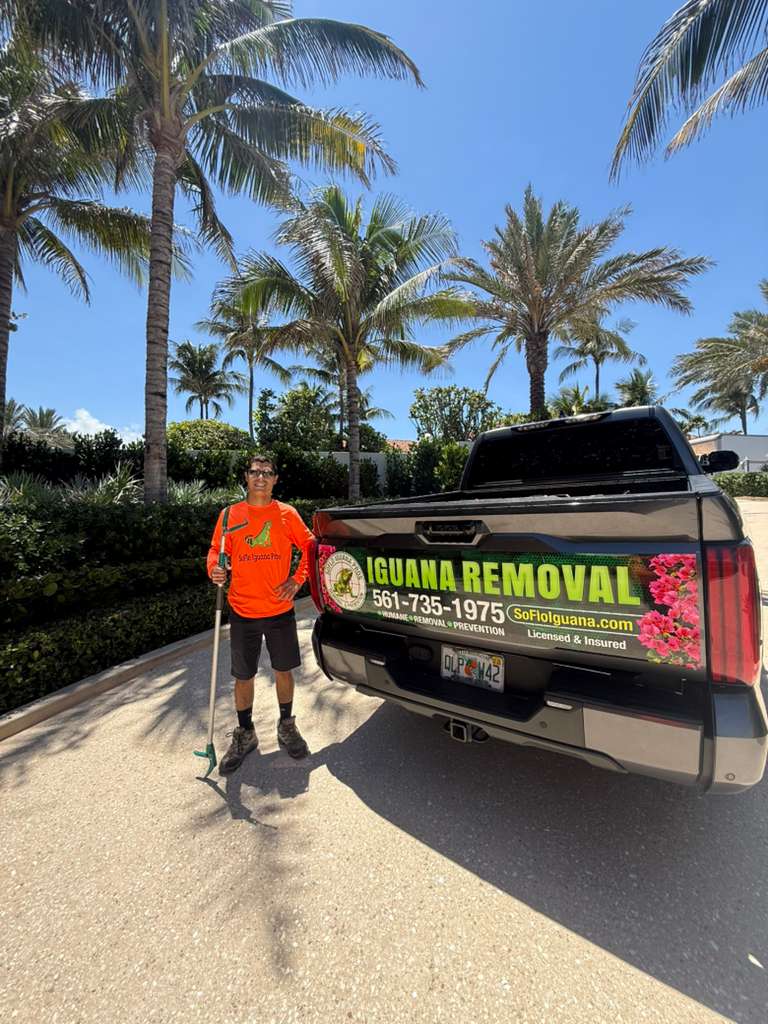
Once approved, the program runs on a set cadence rather than a call-when-someone-complains basis. The value for a board is predictability: the same accountable contact, Nick, who knows the property, and a service record after each visit. You get a paper trail — activity logged, burrows addressed, catch counts — that the manager can file and the treasurer can point to at the annual meeting.
- One local contact who knows your lakes and seawalls, not a rotating call center.
- A certificate of insurance naming the association, available before the first visit.
- Documented reporting after each service the board can share with owners and auditors.
- A cadence set to your property's pressure, adjusted heavier through spring nesting.
Step four: framing it as reserve protection
The argument that wins the vote isn't about lizards. The association is already on the hook to maintain the seawalls and lake banks the iguanas are hollowing out, and shoreline restoration dwarfs the cost of steady control. Folded into the reserve conversation alongside the wall's own schedule, an iguana program reads as prudent budgeting rather than an optional nuisance expense. That framing is what turns a skeptical finance committee into a yes.
When you're ready, /commercial/request-a-proposal gets a written scope in front of the board before the next meeting.
Questions we hear
How long does it take to get a program approved and running?
The assessment is quick to schedule and free. From there, most boards have a written proposal in hand within a few days and can vote at their next meeting. Once approved, we provide the COI and start on the agreed cadence — there's no long onboarding.
Do we have to sign a long contract?
No. Programs run without lock-in, so a board can end service if it isn't delivering. We price the work custom to the property and would rather keep it by being worth the line item than by a contract term.
Who does the manager actually deal with?
One local contact, Nick, who knows the property rather than a rotating dispatch line. That continuity is a big part of why documentation and follow-through hold up over a multi-year program.
Services in this guide