Many South Florida homeowners face the challenge of invasive iguanas damaging gardens and property. It might seem like a harmless solution to catch and release these reptiles somewhere else, but relocating iguanas is not only ineffective—it can worsen environmental problems and violate local regulations. Understanding why releasing iguanas off-site is a bad idea helps protect Florida’s delicate ecosystems and ensures humane, legal wildlife control.
Why Iguana Relocation Is Problematic in South Florida
Iguanas are non-native invasive species that thrive in our subtropical climate. Moving them to a new location doesn’t solve the problem; instead, it often creates new ones. Released iguanas can quickly colonize other areas, spreading ecological damage and competing with native wildlife.
Here are some reasons why relocation is discouraged:
- Ecological Disruption: Iguanas consume native plants and eggs of local species, upsetting the balance of our native flora and fauna.
- Spread of Invasive Population: Relocated iguanas can establish new breeding populations, expanding their invasive reach.
- Legal Restrictions: South Florida wildlife laws often prohibit transporting and releasing iguanas without permits.
- Animal Welfare Concerns: Released iguanas may suffer from starvation, predation, or inability to adapt to unfamiliar environments.
How Invasive Iguanas Impact South Florida’s Environment
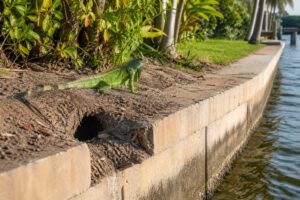
As an invasive species, iguanas pose significant threats to South Florida’s native ecosystems. Their feeding habits damage landscaping, gardens, and native vegetation. Additionally, iguanas dig burrows that can cause erosion and damage to seawalls, sidewalks, and foundations. This burrowing behavior can also disrupt habitats for native animals.
Their prolific reproduction and adaptability lead to rapidly growing populations that outcompete native species for food and shelter, further destabilizing ecosystems.
Humane and Legal Iguana Removal: What You Need to Know
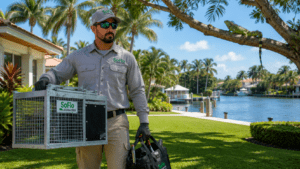
Effective iguana control starts with humane trapping and removal, done in compliance with Florida wildlife regulations. Relocation is generally not permitted unless conducted by authorized professionals with proper permits.
Key points for responsible removal:
- Use live traps with appropriate bait such as leafy greens or fruits favored by iguanas.
- Check traps frequently to minimize stress and avoid injury to captured animals.
- Employ safe handling techniques to prevent bites or scratches.
- Consult licensed wildlife control experts who understand local laws and humane practices.
Practical Tips for Homeowners Dealing with Iguanas
If you’re managing iguanas on your property, here are some practical tips to reduce their presence without relocating them yourself:
- Secure Your Property: Remove food sources and cover vegetable gardens with protective netting.
- Use Repellents: Commercial iguana repellents or homemade deterrents can discourage feeding.
- Install Barriers: Create physical obstacles like fences or mesh around vulnerable plants.
- Contact Professionals: For persistent issues, reach out to experts trained in humane iguana trapping and removal.
Common Questions About Iguana Relocation and Control
Is it legal to release iguanas in a different part of Florida?
No. Transporting and releasing iguanas without proper permits is illegal and can result in fines due to their invasive status.
Can relocated iguanas survive in a new environment?
Often not. Released iguanas may face starvation or predation because they are unfamiliar with the new habitat.
What are the risks of relocating iguanas to natural areas?
It can cause ecological damage by introducing invasive species to sensitive habitats, threatening native plants and animals.
How do professionals ensure humane iguana removal?
Licensed experts use safe traps, monitor captured animals regularly, and follow guidelines that minimize stress and injury.
Can I try to trap iguanas myself?
Yes, but it’s important to follow legal and humane guidelines. If unsure, consulting SoFlo Iguana Pros can help ensure safe and compliant removal.
Conclusion: Protect South Florida by Avoiding Iguana Relocation
Relocating iguanas may seem like a quick fix, but it creates more problems for Florida’s environment and wildlife regulations. To effectively manage iguana populations, rely on humane removal methods and professional assistance. If iguanas are causing issues around your South Florida home, contact SoFlo Iguana Pros at (561) 735-1975. Our experienced team offers safe, legal, and humane solutions tailored to local conditions to help protect your property and Florida’s natural balance.