South Florida homeowners often face challenges with invasive green iguanas, a non-native species that can damage landscaping and property. While trapping iguanas may seem like a straightforward solution, it’s critical to understand and follow Florida’s legal framework to avoid common pitfalls. Improper trapping or handling can lead to fines, animal welfare concerns, and unintended consequences. This guide will help you navigate the legal landscape of iguana trapping in South Florida while emphasizing humane practices and safety.
Understanding Florida Laws on Iguana Trapping
Green iguanas are classified as invasive exotic reptiles in Florida, and the state allows their removal. However, there are specific regulations designed to protect native wildlife and ensure humane treatment of trapped animals. Before you set any trap, familiarize yourself with local rules, which may include:
- Restrictions on trap types and placement.
- Permits required for certain removal activities.
- Prohibitions on relocating iguanas to other areas.
- Guidelines on humane handling or surrender to licensed wildlife facilities.
Failing to comply can lead to fines or other penalties, especially if native species are harmed during the process.
Choosing the Right Trap and Setting It Legally
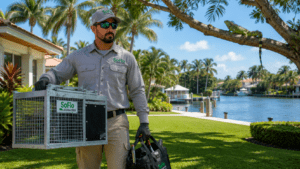
Legally compliant iguana trapping starts with selecting appropriate trap designs. Live cage traps with doors that close when triggered are preferred for humane capture. Avoid traps that can injure the animal or unintentionally trap non-target wildlife.
Placement matters: traps should be set on private property with owner permission and away from areas where pets or children can access them. Check traps frequently (at least daily) to minimize stress and avoid injury to captured iguanas or unintended animals.
Bait Selection and Safety Considerations
Green iguanas are herbivores attracted to fresh vegetables and fruits. Popular bait choices include leafy greens, mango slices, or cucumber. Using effective bait improves trapping success and reduces the time animals remain confined.
Handle bait and traps with gloves to protect yourself from scratches or bites. Always wash hands after contact with iguanas or trap components to prevent disease transmission.
Humane Handling and Removal Protocols
Humane treatment is a legal and ethical priority. Once trapped, iguanas should be handled carefully to avoid injury. Using tools like snake hooks or nets can help control the animal safely. Avoid rough handling, which can cause stress or physical harm.
Relocating iguanas is illegal in Florida and can disrupt ecosystems elsewhere. Instead, trapped iguanas must be euthanized humanely by licensed professionals or surrendered to authorized wildlife control agencies.
Common Legal Mistakes to Avoid
Homeowners and do-it-yourself trappers often make these errors:
- Ignoring permit requirements: Some municipalities require permits for wildlife removal.
- Using illegal or harmful traps: Avoid glue traps or lethal traps without authorization.
- Failing to check traps regularly: Leaving trapped animals unattended violates welfare standards.
- Relocating iguanas: Transporting iguanas to other locations is prohibited.
- Improper euthanasia: Only licensed professionals should perform this task.
Understanding these mistakes helps you remain compliant and protect yourself legally.
FAQ: Legal and Humane Iguana Trapping in South Florida
Q: Do I need a permit to trap iguanas on my property?
A: Permits are not always required, but check with your local government or homeowner’s association. Some areas have specific guidelines.
Q: Can I relocate captured iguanas to a different area?
A: No, relocating iguanas is illegal in Florida to prevent spreading invasive populations.
Q: How often should I check my iguana trap?
A: Traps should be monitored daily to minimize stress and ensure humane treatment.
Q: What happens to iguanas after capture?
A: They must be euthanized humanely by professionals or turned over to authorized wildlife agencies.
Q: Are there humane trap options I can buy locally?
A: Yes, live cage traps designed for reptiles are widely available and recommended for South Florida iguana trapping.
Protect Your Property Responsibly with SoFlo Iguana Pros
Trapping and removing iguanas in South Florida comes with legal responsibilities and ethical considerations. SoFlo Iguana Pros specializes in humane, lawful iguana removal tailored to local regulations and environmental safety. If you’re dealing with persistent iguana problems, call us at (561) 735-1975. Our experienced team ensures proper trapping, handling, and disposal methods that keep your property safe and compliant.
Don’t risk fines or animal welfare violations—partner with professionals who know South Florida’s unique iguana challenges inside and out.