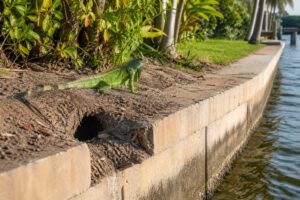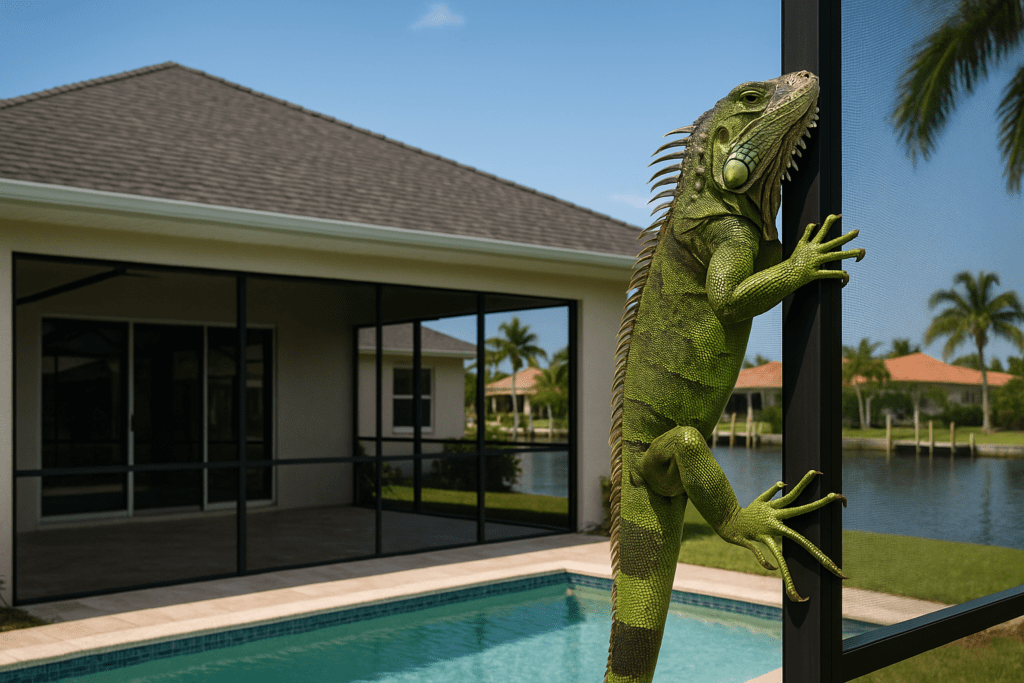
Many South Florida homeowners experience the frustration of removing an iguana only to see another—or sometimes the same one—returning soon after. Understanding why iguanas keep coming back is key to preventing ongoing damage and nuisance. This article breaks down the reasons behind these repeat visits and offers practical, humane strategies to protect your property long-term.
What Draws Iguanas Back to Your Property?
Iguanas are cold-blooded reptiles that thrive in South Florida’s warm climate and lush landscape. They are attracted to certain features that make your yard an ideal habitat:
- Abundant Food Sources: Iguanas feed on leaves, flowers, fruits, and even garden vegetables. If your landscaping includes plants they favor, they’ll keep coming back.
- Water Availability: Nearby ponds, irrigation systems, or birdbaths provide hydration spots.
- Shelter and Nesting Spots: Thick shrubs, dense foliage, and shaded areas offer cover and nesting opportunities.
- Warmth and Sun Exposure: Iguanas rely on sunbathing to regulate their body temperature, so sunny patios, rocks, or paved areas are attractive resting spots.
When these conditions exist, simply removing one iguana won’t deter others—and the cycle often continues.
Why Single Removal Efforts Often Fail

Removing an iguana without addressing the environment is like patching one hole in a sinking boat. The underlying factors that attract iguanas remain:
- Territorial Behavior: Iguanas establish territories. If a dominant iguana is removed, others may quickly take its place.
- Population Density: South Florida’s climate supports a growing iguana population, increasing chances of repeat encounters.
- Seasonal Patterns: Iguanas are more active in warmer months, increasing visibility and likelihood of return.
Without habitat modification and prevention, iguanas perceive your property as a valuable resource and keep coming back.
Habitat Adjustments to Reduce Iguana Appeal

Modifying your yard to make it less inviting is a critical step in breaking the cycle. Consider these habitat-focused prevention tips:
- Replace Favorite Plants: Remove or relocate plants iguanas prefer, such as hibiscus, orchids, and tropical fruit trees, replacing them with less palatable species.
- Trim Dense Vegetation: Keeping shrubs and hedges well-trimmed reduces shelter and nesting areas.
- Manage Water Sources: Limit standing water and fix leaks in irrigation to reduce hydration spots.
- Use Barriers: Installing fencing or mesh around garden beds can help keep iguanas out of sensitive areas.
These changes make your property less hospitable, encouraging iguanas to seek other locations.
Humane Iguana Trapping and Removal: Best Practices

When you do need to remove iguanas, following humane and legal guidelines is important. South Florida regulations require that iguana trapping be conducted responsibly:
- Use Live Traps: Humane live traps avoid injury. Bait with fresh fruits like mango, papaya, or banana to attract iguanas.
- Place Traps Strategically: Position traps near known iguana pathways or feeding areas, preferably in shaded spots to avoid heat stress.
- Monitor Traps Frequently: Check traps regularly to minimize stress on captured animals.
- Follow Local Regulations: Confirm current legal requirements regarding iguana removal and relocation to ensure compliance.
Professional wildlife control experts have the experience and permits needed to conduct safe, humane, and effective removals.
Ongoing Prevention Strategies to Keep Iguanas Away
After removal and habitat adjustments, maintaining prevention efforts is essential to avoid repeat problems:
- Regular Yard Maintenance: Continue trimming vegetation and removing fallen fruit or debris.
- Secure Food Sources: Use plant covers or fencing to protect gardens and ornamental plants.
- Use Deterrents: Some homeowners find motion-activated sprinklers or harmless repellents useful in discouraging iguana visits.
- Stay Vigilant During Warm Months: Increased iguana activity in spring and summer requires extra attention.
Consistent effort helps keep iguanas from reestablishing a presence on your property.
Frequently Asked Questions About Repeat Iguana Visits
Q: Can iguanas sense when one of their own is removed?
A: Iguanas don’t have a complex social structure, but vacant territory often attracts new or neighboring iguanas to move in.
Q: Is it legal to capture and relocate iguanas in South Florida?
A: Regulations vary by county. It’s important to consult local wildlife authorities or professionals to ensure legal compliance.
Q: Are iguanas dangerous to humans?
A: Iguanas generally avoid humans and are not aggressive but can bite or scratch if threatened.
Q: What plants can I grow that iguanas dislike?
A: Plants like croton, plumeria, and lantana tend to be less appealing to iguanas.
Q: Can I remove iguanas myself?
A: While possible, professional removal ensures humane handling and adherence to local laws.
Take Control of Iguana Problems with SoFlo Iguana Pros
Persistent iguana visits can be a major nuisance, but with the right knowledge and approach, you can protect your South Florida home. At SoFlo Iguana Pros, we specialize in humane iguana control and prevention tailored to local conditions. Call us at (561) 735-1975 to schedule a consultation or removal service. Together, we’ll create a safer, iguana-free environment for your property.