In South Florida, it’s common for homeowners to notice iguanas frequenting certain yards while skipping others entirely. Understanding the reasons behind these preferences can help residents manage and coexist with these reptiles more effectively. From habitat features to available food sources and shelter, several factors influence why iguanas choose one yard over another. This article explores these key elements and offers practical advice on humane iguana control tailored for South Florida properties.
Habitat Preferences: What Makes a Yard Attractive?
Iguanas thrive in environments that provide warmth, safety, and proximity to water. South Florida’s tropical climate offers an ideal setting, but not every yard meets the subtle habitat criteria iguanas seek. They tend to prefer yards with:
- Abundant greenery providing shade and cover
- Access to water sources like ponds, sprinklers, or irrigation systems
- Sun-exposed areas for basking during cooler mornings or evenings
Yards with dense shrubs, palm trees, and native plants create natural corridors and hiding spots, making iguanas feel secure. Conversely, open, barren yards without shelter may discourage these reptiles from settling.
Food Availability: What Are Iguanas Eating in Your Yard?
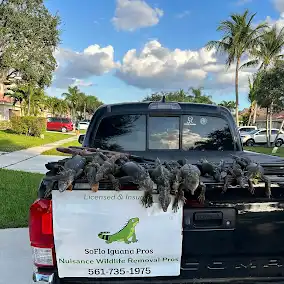
Food is a major factor attracting iguanas to certain yards. These primarily herbivorous reptiles feed on leaves, flowers, fruits, and vegetables. South Florida yards offering the following are especially appealing:
- Fruit-bearing trees like mango, avocado, and guava
- Flowering plants and shrubs producing tender leaves
- Vegetable gardens with leafy greens such as lettuce or kale
Because iguanas can consume significant amounts of foliage, homeowners with edible plants often notice more frequent visits. Limiting accessible food or selecting less palatable plants can reduce yard attractiveness.
Shelter and Nesting Sites: Safe Spaces Iguanas Seek

Beyond food and habitat, iguanas look for secure shelter to evade predators and harsh weather. In South Florida yards, ideal shelter includes:
- Thick foliage and dense hedges
- Rock piles or garden structures offering hiding spots
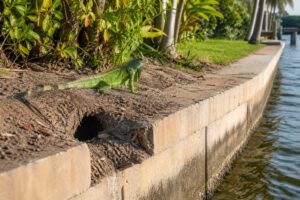
- Burrows or crevices in retaining walls or fences
During breeding seasons, female iguanas may seek sandy or loose soil for nesting. Gardens with undisturbed ground or mulch beds can become nesting areas, increasing iguana activity.
Humane Iguana Control: What You Should Know

When iguanas become a nuisance, many South Florida homeowners consider removal or trapping. It’s essential to approach this humanely and comply with local wildlife regulations. Here are important points to keep in mind:
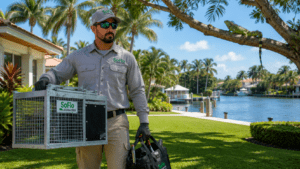
- Use live traps: Avoid lethal methods; humane traps allow for safe capture and relocation.
- Choose effective bait: Fresh fruit, such as mango or banana slices, works well to attract iguanas.
- Place traps strategically: Set traps near common iguana pathways, shaded areas, or food sources.
- Check traps frequently: To minimize stress and ensure humane treatment.
- Follow local laws: South Florida has regulations governing wildlife removal—always verify before trapping or relocating iguanas.
Professional wildlife control companies like SoFlo Iguana Pros have the training and experience to handle iguana removal responsibly and effectively.
Practical Yard Management Tips to Discourage Iguanas
Homeowners can reduce iguana presence by making yards less inviting through simple adjustments:
- Remove or protect fruit and vegetable plants from easy access
- Trim thick vegetation to reduce hiding spots
- Secure trash bins and compost to limit food availability
- Eliminate standing water or reduce irrigation frequency
- Install barriers or fencing designed to discourage reptile entry
These steps don’t harm iguanas but can make your yard less appealing, encouraging them to move elsewhere.
FAQ: Common Questions About Iguanas in South Florida Yards
Q1: Are iguanas dangerous to people or pets?
Generally, iguanas are not aggressive and rarely pose a threat. However, they can bite or scratch if provoked.
Q2: Can I keep iguanas as pets in South Florida?
Yes, but be mindful that iguanas require specific care and local regulations may apply.
Q3: Is it legal to trap and relocate iguanas?
Relocation is often regulated. Consulting with a licensed professional ensures compliance and humane treatment.
Q4: How can I prevent iguanas from damaging my garden?
Use physical barriers, select unpalatable plants, and reduce food availability to deter iguanas.
Q5: When is the best time to trap iguanas?
Early morning or late afternoon when iguanas are most active and feeding are ideal times for trapping.
Conclusion: Managing Iguana Preferences for a Balanced Yard
Understanding why iguanas favor certain South Florida yards helps homeowners make informed decisions to protect their property while respecting local wildlife. By addressing habitat, food, and shelter factors thoughtfully and employing humane control methods, you can reduce unwanted iguana visits effectively.
If iganas are becoming a persistent concern, contacting SoFlo Iguana Pros is a smart next step. Our experienced team specializes in safe, legal, and humane iguana removal throughout South Florida. Call us at (561) 735-1975 to discuss your situation and get professional assistance tailored to your yard.