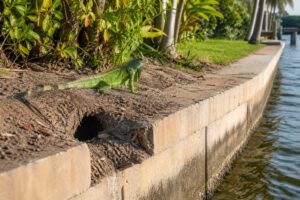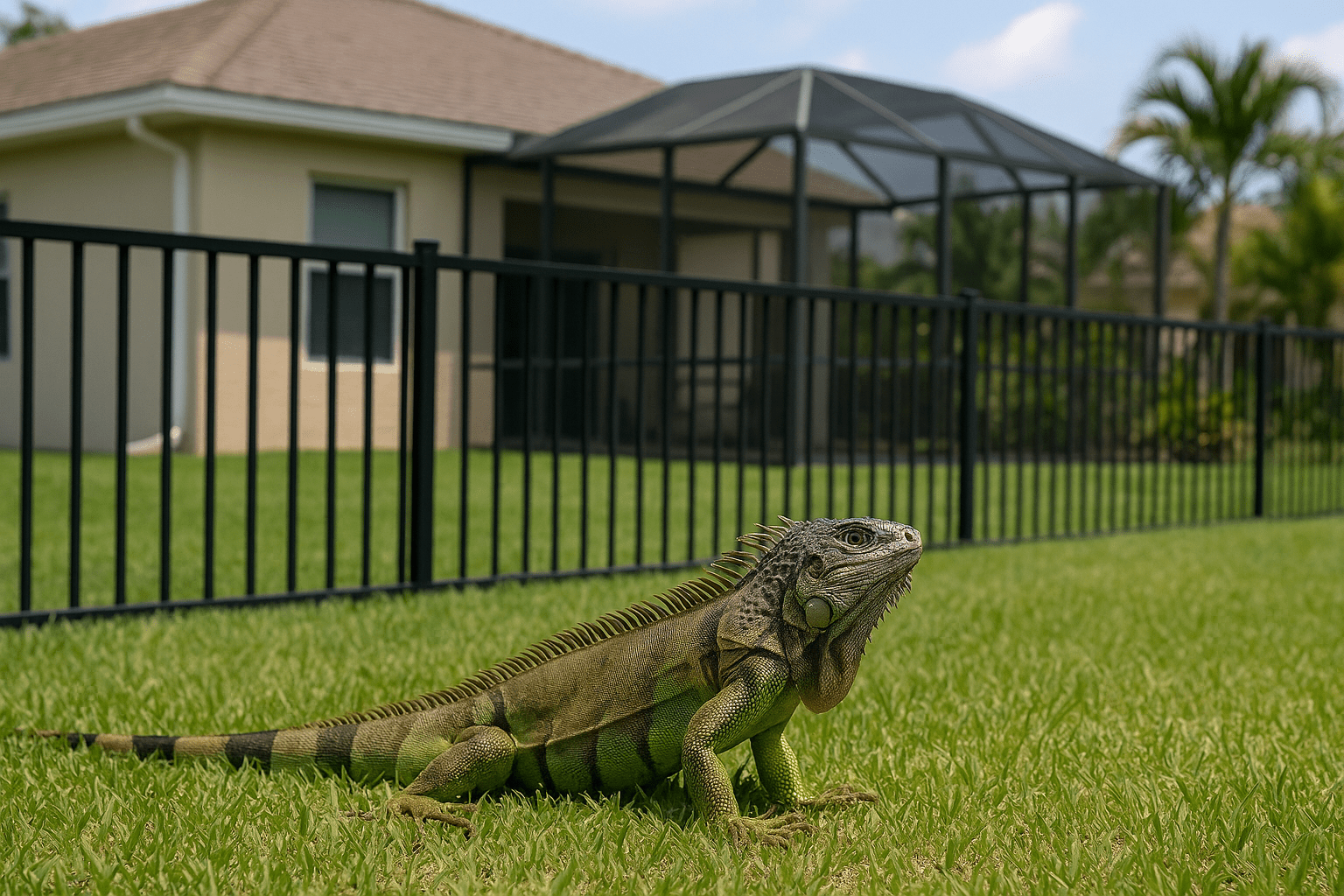
South Florida’s tropical climate is perfect for growing a variety of delicious fruit trees, especially mangoes. But if you’ve noticed large lizards making themselves at home in your yard, you’re not alone. Iguanas are attracted to fruit trees, and understanding why can help you protect your landscaping while dealing with these persistent visitors effectively.
What Draws Iguanas to Fruit Trees in South Florida?
Iguanas are herbivores with a diet that heavily favors ripe fruit, leaves, and flowers. In South Florida, fruit trees like mango, papaya, and avocado provide an abundant, nutritious food source. The sweet, juicy fruits are especially appealing, making your backyard an irresistible iguana buffet.
Besides food, fruit trees offer shade and shelter from predators and heat, making them ideal resting spots. The dense canopy of a mango tree, for example, provides cover and a high vantage point, allowing iguanas to feel safe as they eat and bask.
Common Fruit Trees That Attract Iguanas
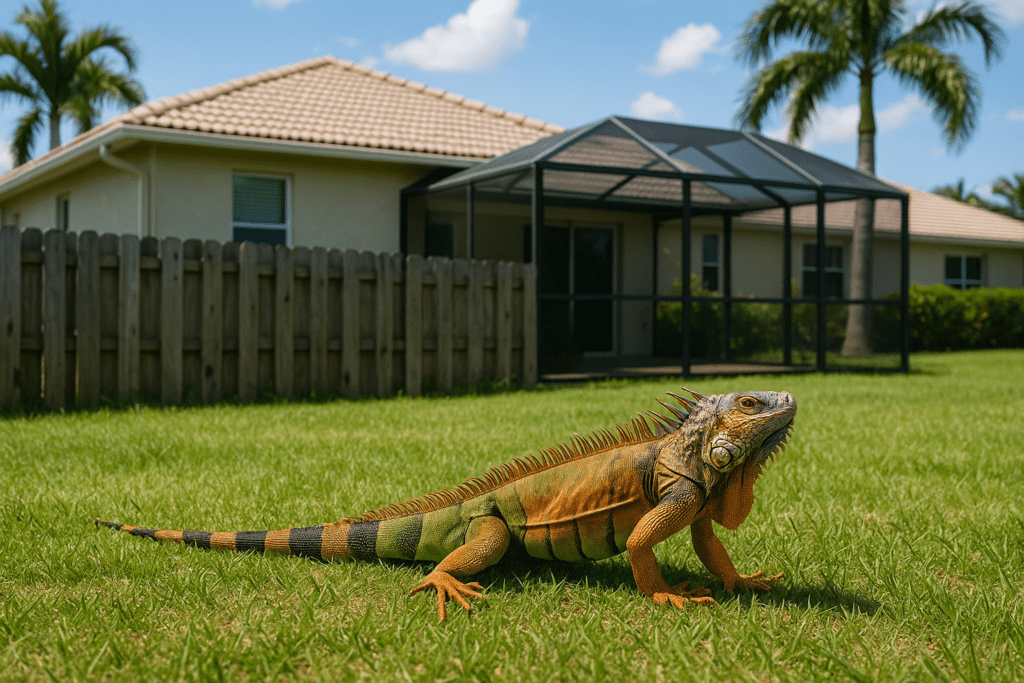
While many fruit trees can attract iguanas, some are particularly favored in South Florida landscapes:
- Mango Trees: Ripe mangoes are a top choice for iguanas due to their sweetness and availability.
- Avocado Trees: The large, fleshy fruit and abundant leaves are a tasty meal.
- Guava Trees: Their small, fragrant fruits and dense foliage attract iguanas.
- Papaya Trees: The soft fruits and tender leaves serve as easy food sources.
Identifying which trees in your yard attract iguanas helps target your management efforts more effectively.
How Iguanas Impact Your Backyard and Landscape
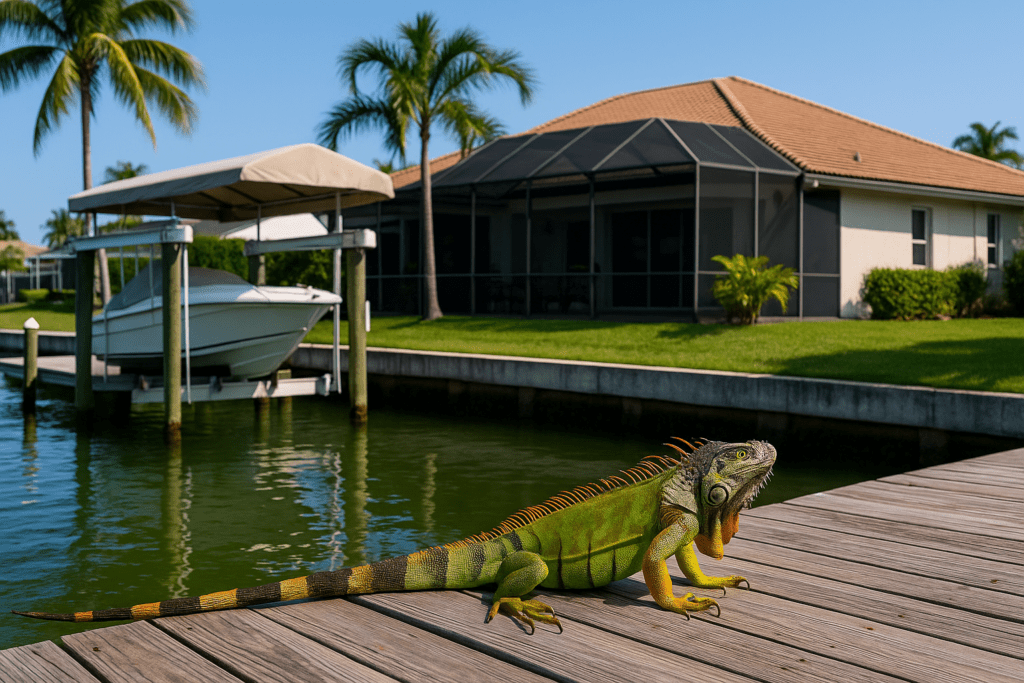
While iguanas are part of South Florida’s wildlife, their presence in fruit tree areas can cause problems:
- Fruit Damage: Iguanas often consume or damage ripening fruit, reducing your harvest.
- Plant Injury: Feeding on leaves and flowers can inhibit growth and flowering.
- Landscape Mess: Iguanas leave droppings on lawns, patios, and pools.
- Potential Safety Concerns: Large iguanas can be intimidating, especially for small children or pets.
Addressing iguana activity is important to preserve your landscaping investment and maintain a comfortable outdoor space.
Safe and Humane Iguana Control Methods Around Fruit Trees
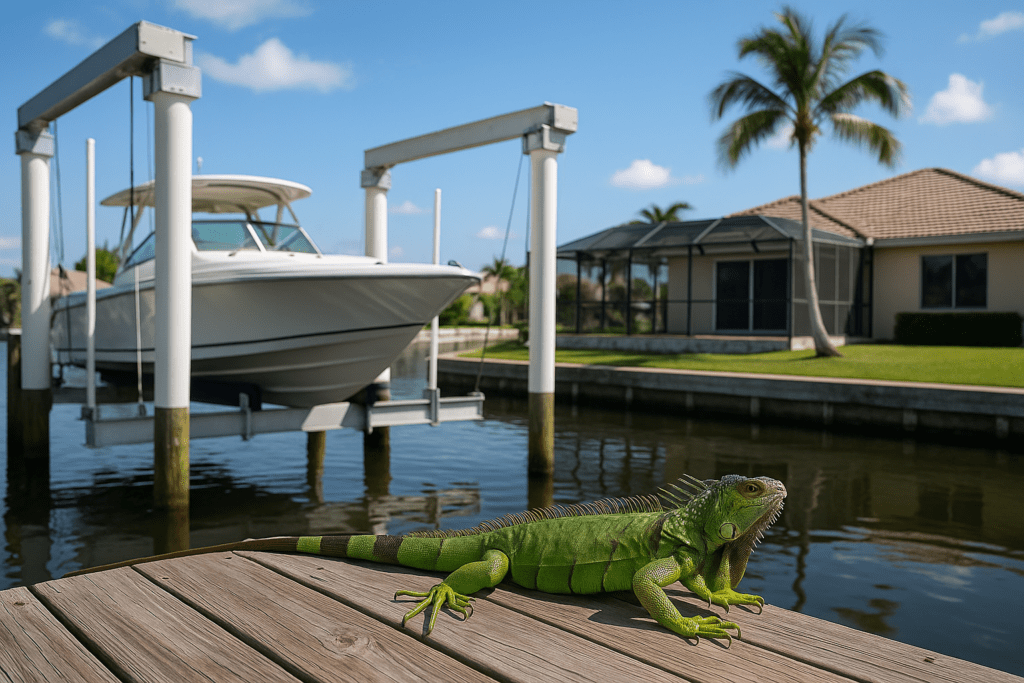
Managing iguanas around fruit trees requires thoughtful, legal, and humane approaches. Here are some strategies to consider:
- Fruit Tree Maintenance: Regularly harvest ripe fruit to avoid attracting iguanas. Remove fallen fruit promptly from the ground.
- Physical Barriers: Use netting or fencing around fruit trees to restrict access while allowing airflow and light.
- Habitat Modification: Trim lower branches and clear dense shrubbery nearby to reduce hiding spots.
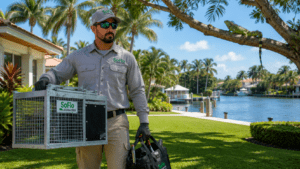
- Humane Trapping: Live traps baited with fruit (e.g., mango slices) can capture iguanas for relocation by professionals.
- Professional Assistance: South Florida experts understand local regulations and humane handling practices, ensuring safe removal and compliance.
Remember, iguanas are protected under certain local regulations, and relocating or handling them improperly can be illegal. Always seek guidance from wildlife professionals.
Setting Up Effective Iguana Traps Near Fruit Trees
When using traps, placement and bait choice are critical for success:
- Trap Placement: Position traps near heavily used feeding areas or beneath fruit trees where iguanas are commonly seen.
- Bait Selection: Use fresh mango slices or other favored fruits to entice iguanas inside the trap.
- Safety Precautions: Wear gloves when handling traps and captured animals to avoid injury and stress to the iguana.
- Monitoring: Check traps frequently to minimize stress on captured animals and comply with animal welfare guidelines.
Humane trapping is most effective when combined with habitat management and professional advice.
FAQ: Managing Iguanas Around Fruit Trees
Q: Can I plant fruit trees that won’t attract iguanas?
A: Most fruit trees will attract iguanas to some degree. Choosing trees with less sweet or smaller fruits may reduce visits, but landscape design and maintenance play a bigger role.
Q: Is it safe to scare iguanas away from my yard?
A: Startle tactics like loud noises or water sprays can temporarily discourage iguanas but won’t provide long-term control.
Q: What are the legal considerations for removing iguanas in South Florida?
A: Iguanas are considered invasive but are protected under certain regulations. Trapping and removal should be done by licensed professionals who follow humane and legal protocols.
Q: Can I use pesticides or poisons to control iguanas?
A: No, poisons are illegal and unsafe for iguanas, pets, and other wildlife. Humane removal and exclusion are the recommended approaches.
Q: How can SoFlo Iguana Pros help with iguana issues?
A: Our team specializes in humane iguana removal and prevention tailored to South Florida’s unique environment and regulations.
Conclusion: Protect Your South Florida Fruit Trees from Iguanas
Fruit trees like mangoes add beauty and bounty to your South Florida backyard but can also attract hungry iguanas. By understanding their behavior and using humane, legal control methods such as proper tree maintenance, exclusion, and professional trapping assistance, you can reduce iguana damage while respecting local wildlife laws.
If iguanas are becoming a persistent problem around your fruit trees, contact SoFlo Iguana Pros at (561) 735-1975. Our experienced team offers humane solutions tailored to South Florida homes, helping you protect your landscape and enjoy your outdoor space safely.