Dealing with iguanas on your South Florida property can be challenging, especially when you’re unsure about the extent of the problem. When you contact a professional iguana removal company, the right photos can make all the difference in diagnosing the situation accurately and planning a humane, effective response. Knowing exactly what to capture and send can save time, reduce risks, and ensure your property is protected efficiently.
Why Photos Matter in Iguana Removal Diagnostics
Visual evidence helps wildlife control experts assess the size, activity, and behavior of iguanas on your property without unnecessary visits or guesswork. Photos allow technicians to pinpoint entry points, feeding areas, and potential safety concerns. They also assist in determining if burrow repair or habitat modification is needed alongside removal.
Essential Photos to Capture for Iguana Removal Experts
When preparing to consult with a company like SoFlo Iguana Pros, focus on these crucial photo types:
- Images of Iguana Droppings: Clear pictures of droppings help gauge iguana activity levels and identify specific locations they frequent.
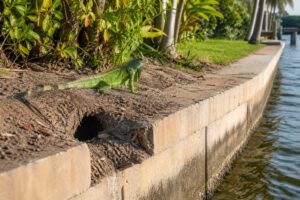
- Burrow Entrances and Surrounding Areas: Photos showing burrow size, location, and depth offer insights into whether iguanas are nesting or just passing through.
- Visible Iguana Sightings: If safe to do so, capture images of the iguanas themselves, showing size, color, and behavior.
- Property Damage or Impact: Document any landscaping damage, holes, or plant destruction caused by iguanas to support tailored removal and repair plans.
- Potential Access Points: Photos of fences, gates, or screens where iguanas might enter your yard help technicians advise on exclusion methods.
How to Take Photos Safely and Effectively
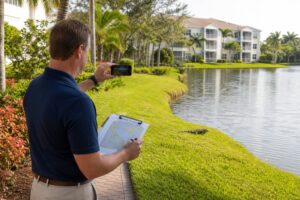
Safety is key—never approach or corner an iguana in a way that could provoke aggressive behavior. Use a zoom lens or smartphone zoom feature to get clear shots from a distance. Avoid sudden movements or loud noises that could cause the iguana to flee or become defensive. Natural lighting will improve photo quality, so try to shoot during daylight hours.
Understanding Iguana Droppings and What They Reveal
Droppings are a strong indicator of iguana presence and activity patterns. Fresh, moist droppings suggest recent or ongoing visits, while older, dried ones show past activity. Photos should clearly show the size and location of droppings relative to your property features, such as patios or garden beds. This information helps professionals determine where traps or deterrents might be most effective.
Recognizing and Documenting Burrows
South Florida’s sandy soil is ideal for iguanas to dig burrows, which they use for nesting and shelter. Burrows can weaken the structural integrity of lawns, sidewalks, and seawalls. When photographing burrows, capture the entrance width, surrounding soil displacement, and any nearby vegetation. Multiple angles provide a clearer picture of the burrow’s size and potential impact.
Legal and Humane Considerations in Iguana Removal
South Florida residents must be mindful of local wildlife regulations. Iguanas are invasive but protected species, so removal must be humane and compliant with current laws. Professionals rely on your photos to plan non-lethal or humane trapping methods that minimize stress to the animals and avoid harm to other wildlife. Always avoid DIY trapping or relocation without expert guidance.
FAQ: Photos for Iguana Removal Diagnosis
Q1: Can I use my phone to take photos for iguana removal?
Yes, a smartphone camera is sufficient for most photo needs. Just ensure images are clear and taken from a safe distance.
Q2: How many photos should I send to the removal company?
Send multiple images covering droppings, burrows, iguanas, and any damage or entry points. This gives a complete overview for accurate diagnosis.
Q3: Should I try to touch or move the iguana to get better pictures?
No, avoid touching or cornering iguanas. Approach calmly and use zoom to protect your safety and reduce stress on the animal.
Q4: Do photos guarantee immediate removal?
Photos help speed diagnosis but removal depends on factors like local regulations, weather, and iguana activity.
Q5: Can photos help identify if I have just one iguana or multiple?
Yes, images showing different sizes or multiple sightings in different locations indicate whether you’re dealing with one or several iguanas.
Ready to Share Your Photos with SoFlo Iguana Pros?
If you’re facing iguana issues in South Florida, gathering and sharing detailed photos is a smart first step to a swift, humane solution. At SoFlo Iguana Pros, we understand the unique challenges South Florida homeowners face and use your images to tailor removal plans that protect your property and respect wildlife laws. Call us today at (561) 735-1975 to get started with your personalized iguana assessment.