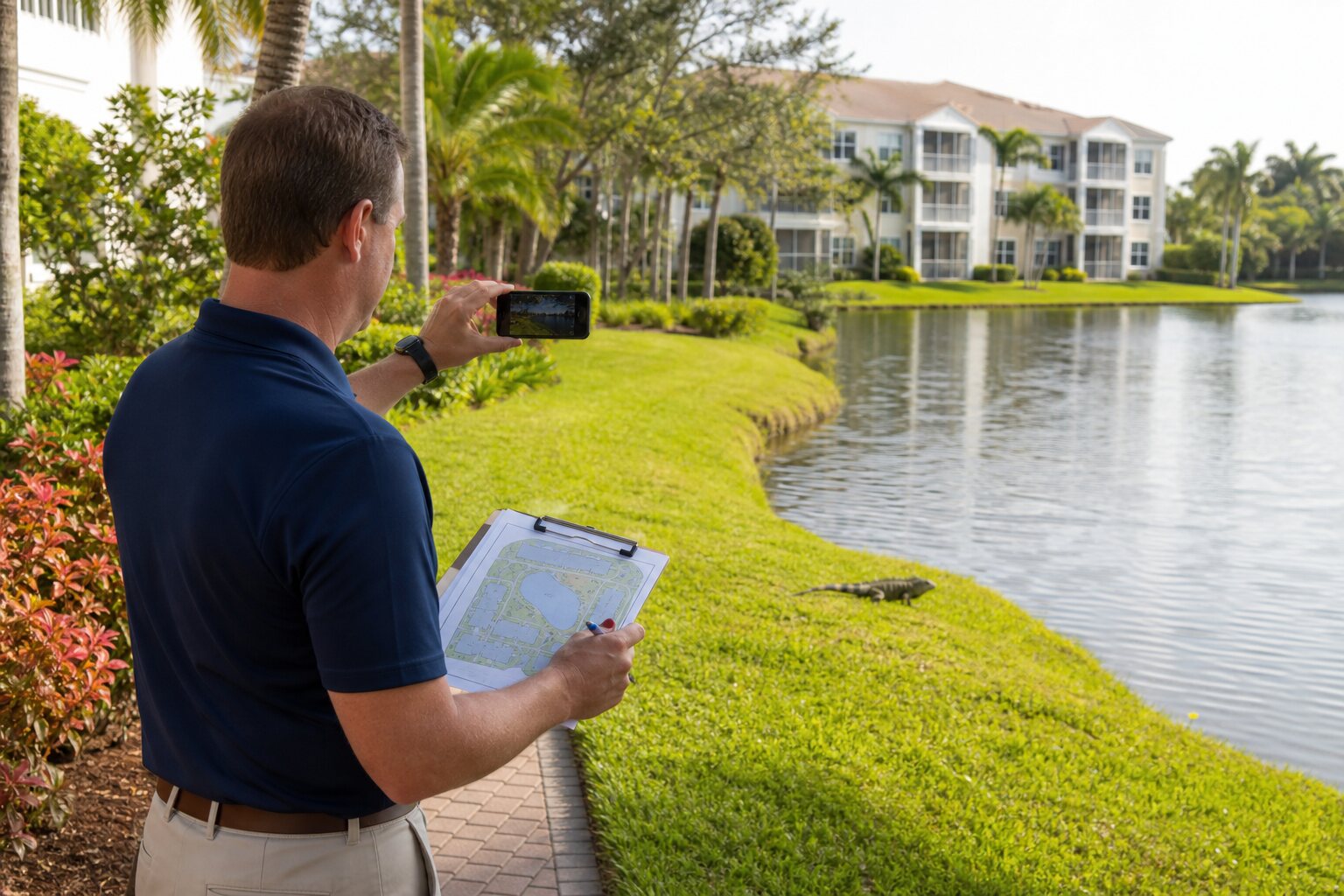
HOAs can speed up an iguana-control assessment by documenting locations, times, damage, resident concerns, and property access before the site visit.
A community may have several activity zones—lakes, pool decks, roofs, landscaping, docks, and waste areas. A shared record helps separate isolated sightings from repeat patterns and supports a practical service scope.
How HOAs Can Document Iguana Activity Before Scheduling Control Service: an expert checklist
- Mark sightings and burrows on a site map
- Record dates, times, approximate counts, and behavior
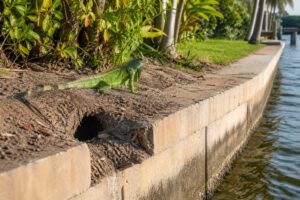
- Photograph damage without approaching wildlife
- Identify access rules and resident communication needs
- Name one decision-maker for scheduling and approvals
Documentation should be factual and consistent. Avoid encouraging residents to chase, feed, trap, or handle iguanas; those actions can change behavior and create safety or legal concerns.
How to make the next decision
Start with documented conditions rather than assumptions. SoFlo Iguana Pros provides information and services relevant to HOA iguana activity documentation; the correct scope still depends on the property, equipment, documents, or project conditions involved.
Review the related guidance on iguana prevention for hoas and iguana removal from hoa communities. These pages explain the available service context before you request a site-specific recommendation.
Questions to ask a provider
- What information do you need before recommending a scope?
- Which assumptions still need field verification?
- What is included, excluded, and documented?
- What conditions would change the recommendation?
Clear answers help customers compare scope and process instead of choosing from a headline alone. Keep records, photos, plans, model numbers, or ownership documents that are relevant to the service.
Frequently asked questions
How long should an HOA track sightings?
Even one or two weeks can reveal repeat locations and times, but urgent safety or damage concerns should be reported immediately.
What photos are most helpful?
Wide photos showing location plus closer images of droppings, burrows, damaged plants, or access points are useful.
Should residents report every iguana?
Use a simple reporting standard so the record stays manageable—for example, location, time, count, and observed damage.
Who should meet the wildlife provider?
A manager or board representative who understands access, priorities, resident concerns, and vendor requirements is ideal.
Request a business-specific review
Use the SoFlo Iguana Pros contact or scheduling page to describe your situation and confirm the appropriate next step.