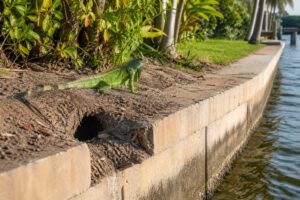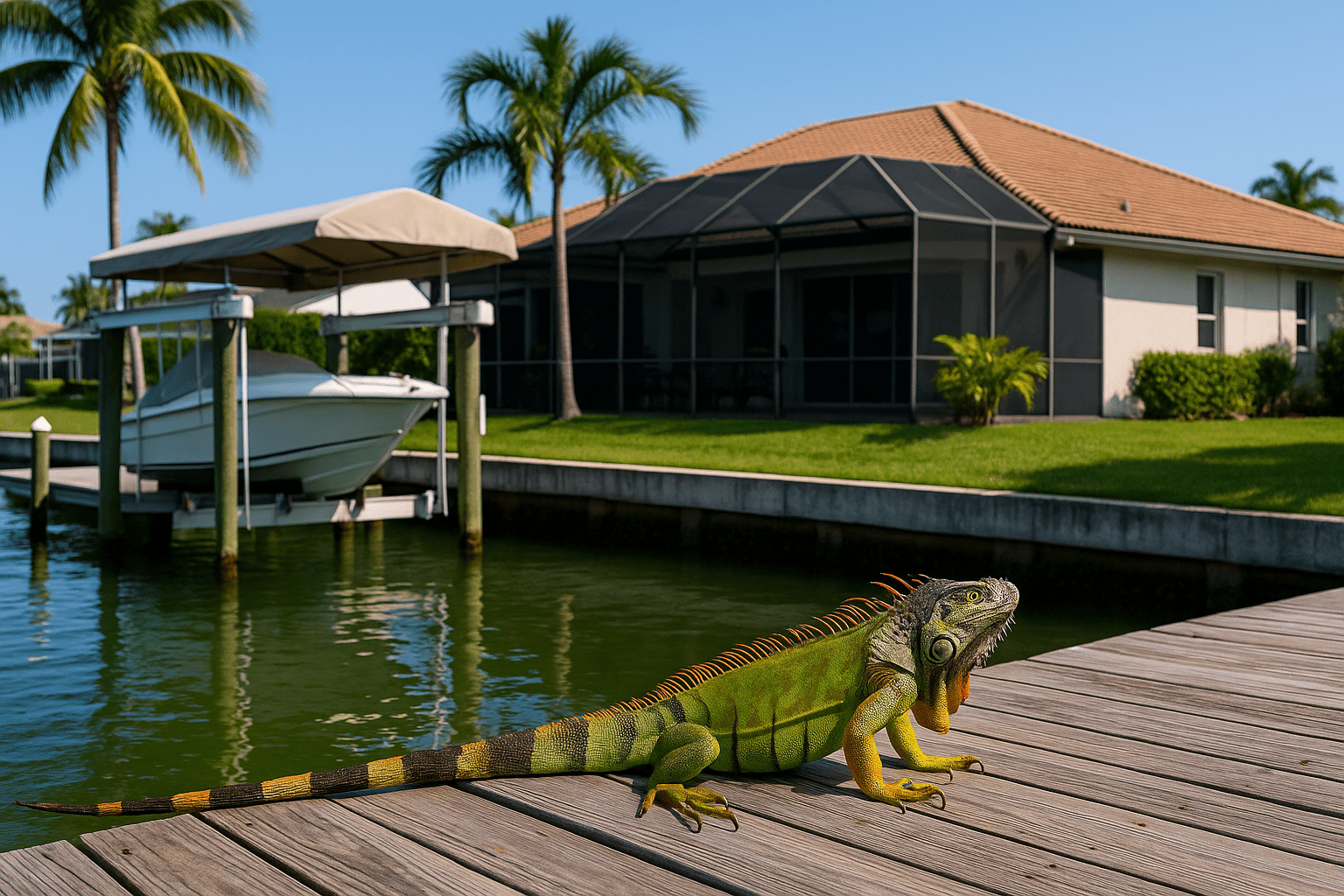
In South Florida, the presence of iguanas around homes is a common sight for many residents. These reptiles follow predictable daily routes as they move between feeding areas, basking spots, and shelter. Understanding these travel patterns is key to managing iguana activity effectively and humanely. This article explores how iguanas navigate their environment near homes, highlights their favorite basking locations, and offers practical advice for homeowners dealing with unwanted visits.
How Iguanas Establish Their Daily Routes
Iguanas develop habitual travel paths driven by their basic needs: food, warmth, safety, and territory. Early in the morning, they often leave their resting areas to seek food sources, such as garden plants or fallen fruit. As cold-blooded animals, they require specific sunlit spots to regulate their body temperature, so basking locations become critical points on their route. After feeding and warming up, iguanas typically retreat to shaded shelters or burrows to avoid predators and extreme heat.
Common Travel Paths Around South Florida Homes
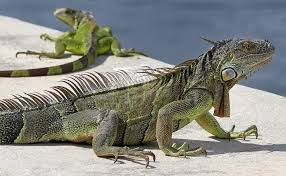
In suburban and residential areas, iguanas tend to use natural corridors like fences, tree branches, and hedges to move discreetly. These routes offer cover and easy access to favored feeding or basking sites. Iguanas may also use the same routes daily, which can sometimes lead to damage in gardens or landscaping. Recognizing these patterns helps homeowners anticipate iguana movements and implement targeted control or exclusion methods.
Basking Behavior and Preferred Locations
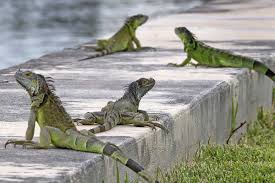
Basking is essential for iguanas to maintain their metabolism and immune function. In South Florida, they often select sunny spots like rooftops, sidewalks, low walls, or exposed branches. These areas provide direct sunlight, allowing iguanas to warm up quickly. Homeowners might notice iguanas lingering on patios or garden walls during cooler parts of the day. Blocking access to these basking spots can reduce iguana presence but should be done thoughtfully to avoid stressing the animals.
Practical Tips for Monitoring Iguana Movement

Tracking iguana routes around your home can be straightforward with these steps:
- Observe early morning and late afternoon when iguanas are most active.
- Note commonly used paths such as fence lines, garden beds, and tree limbs.
- Look for signs like droppings, dug holes, or leaf damage along these routes.
- Use motion-activated cameras if you want to monitor nocturnal or less obvious movements.
Documenting these patterns will help you identify hotspots and times when intervention is most effective.
Humane Trapping and Removal Considerations
When iguanas become a nuisance, humane trapping is often necessary. South Florida regulations require that trapping and removal methods prioritize animal welfare and comply with local laws. Proper trap placement along known travel paths increases success rates. Using bait like fresh fruits or leafy greens can attract iguanas effectively. Always check traps frequently to minimize stress and avoid harm.
Keep in mind that iguanas are strong climbers and can be wary, so patience and correct setup are key. If unsure, professional wildlife control services offer safe, humane removal tailored to South Florida’s unique environment.
Safety Tips for Homeowners
While iguanas are generally not aggressive, it’s important to maintain safety for both people and pets. Avoid direct handling of iguanas unless you have experience, as they can scratch or bite when threatened. Children should be educated to observe iguanas from a distance. When setting traps or managing iguana routes, wear gloves and protective clothing. Additionally, do not attempt to relocate iguanas yourself, as this can violate wildlife regulations and cause ecological disruption.
Frequently Asked Questions About Iguana Daily Routes
Q: Why do iguanas follow the same routes daily?
A: Iguanas rely on consistent travel paths to efficiently access food, basking spots, and shelter while minimizing exposure to predators.
Q: Can blocking a basking spot deter iguanas?
A: It may reduce their presence temporarily, but iguanas can adapt by finding alternate sunlit areas. Combining exclusion with other methods is more effective.
Q: How often should traps be checked?
A: Check traps at least twice daily to ensure humane treatment and reduce stress on captured iguanas.
Q: Are iguanas harmful to South Florida gardens?
A: Iguanas can cause significant damage by eating plants and digging burrows, which may affect landscaping and structural foundations.
Q: Is professional help necessary for iguana removal?
A: For persistent or large populations, professional services ensure legal compliance, humane handling, and effective removal.
Understanding iguana daily routes and travel behavior around your South Florida home is essential for managing their presence responsibly. If you’re dealing with iguana issues, trust SoFlo Iguana Pros for expert, humane wildlife control. Call us at (561) 735-1975 to discuss tailored solutions that protect your property while respecting local wildlife regulations.