Managing iguana populations in South Florida requires patience, strategy, and a solid understanding of their behavior. One of the most critical factors in successful iguana trapping is placing your trap in the right location. Setting a trap in an unsuitable spot can lead to frustration, wasted time, and prolonged issues with these resilient reptiles. In this article, we’ll explore the common signs that an iguana trap is set in the wrong place, how to identify the ideal locations, and key tips to improve your trapping approach while staying safe and humane.
Why Location Matters When Trapping Iguanas
Iguanas are creatures of habit. They follow established travel paths for feeding, basking, and shelter. Because of this, a trap placed off these routes or in an area with low iguana activity is unlikely to yield results. In South Florida’s diverse environments—ranging from suburban backyards to canal edges—locational awareness is crucial for effective trapping.
Common Signs Your Iguana Trap Is Set Wrong

Before concluding that a trap simply doesn’t work, consider whether location could be the issue. Here are telltale signs your trap might be in the wrong spot:
- No Tracks or Scat Nearby: Iguanas leave distinct footprints and droppings along their frequent paths. A lack of these signs near your trap suggests low or no iguana traffic.
- Unbaited Trap Remains Untouched: If bait is untouched after several days, iguanas are probably not passing through the area.
- Trap Is Too Exposed or Shady: Iguanas prefer warm, sunlit areas for basking. Traps placed in overly shaded or drafty spots may be ignored.
- Vegetation Patterns Don’t Match Iguana Behavior: Iguanas often use dense foliage for cover but travel along open paths. If your trap is deep inside thick vegetation or far from feeding spots, it might be avoided.
- Neighboring Areas Show More Activity: If you notice iguanas nearby but none approaching your trap, it’s a sign to relocate.
Identifying Ideal Iguana Travel Paths

Locating an iguana’s travel route is the first key step in trap placement. Here’s how to spot these paths in South Florida:
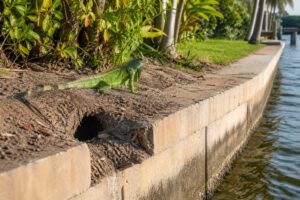
- Look for Tracks: On dirt, sand, or soft soil, iguana tracks appear as claw marks and tail drag lines.
- Observe Feeding Areas: Iguanas often move between feeding spots such as palm trees, hibiscus bushes, or vegetable gardens.
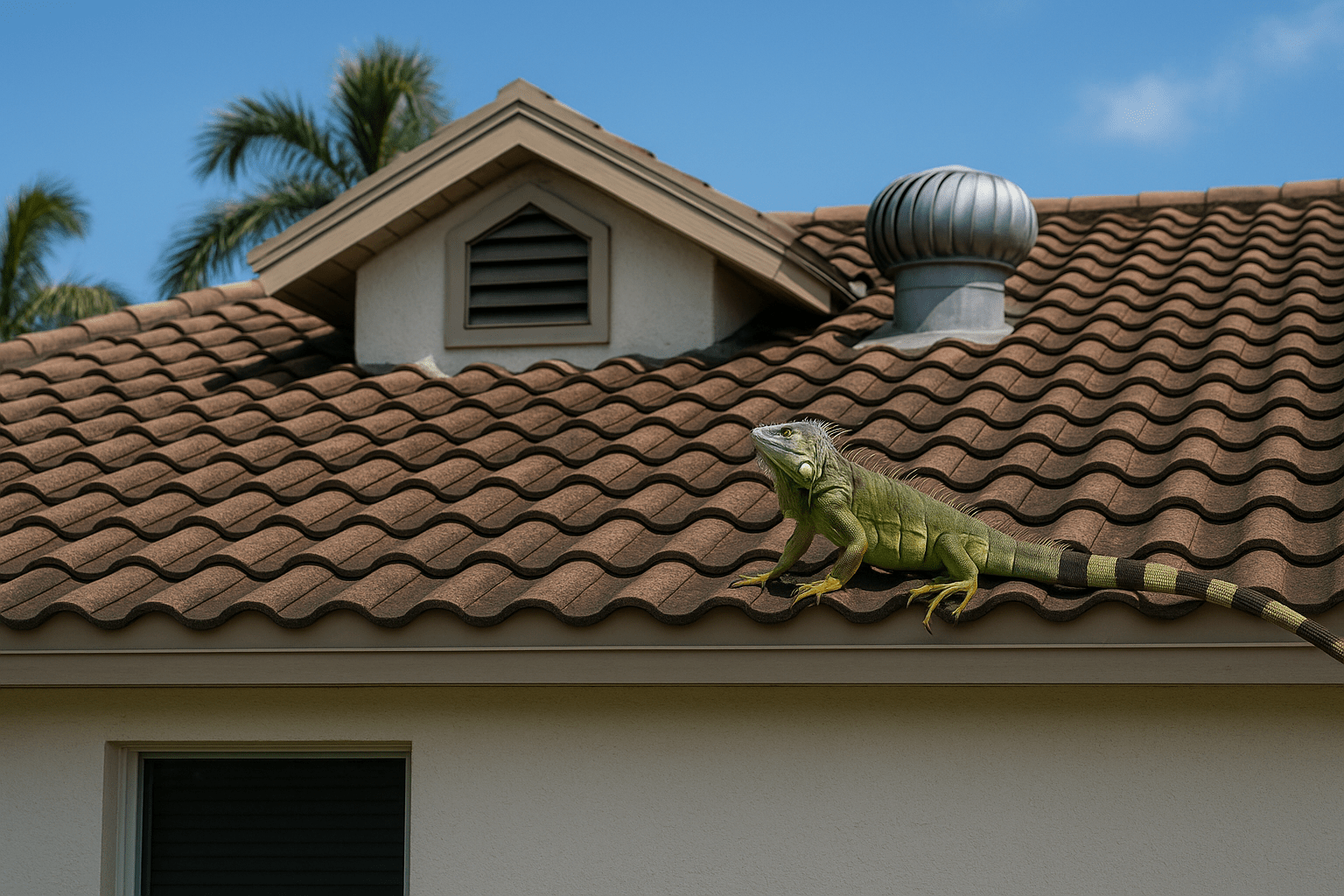
- Check Basking Sites: Iguanas bask in sunny spots like walls, fences, or rocks during cooler parts of the day.
- Follow Droppings: Droppings near paths or basking areas indicate habitual routes.
- Watch Movement Patterns: Early morning or late afternoon observations can reveal consistent travel corridors.
Tips for Correct Trap Placement

Once you identify potential routes, here are tips to ensure your trap is positioned for success:
- Place the Trap Along a Clear Path: Set traps where iguanas naturally walk, ideally near their feeding or basking spots.
- Ensure Trap Stability: A wobbling or unstable trap can scare iguanas away.
- Use Natural Cover: Position traps near bushes or low vegetation for concealment but avoid placing traps deep inside dense cover.
- Match Bait to Local Preferences: Use fresh fruits like mango or hibiscus flowers as bait to attract iguanas.
- Check Local Regulations: Always adhere to South Florida’s wildlife handling regulations and ensure humane trapping methods.
Safety and Humane Considerations
Handling iguanas requires care to avoid injury to both the animal and yourself. Use gloves when checking traps and avoid handling iguanas without proper training. Humane treatment and compliance with local laws protect the ecosystem and support ethical wildlife control. Remember, improperly set traps can stress animals unnecessarily, so precise placement reduces risks.
FAQ: Common Questions About Iguana Trap Placement
Q: How long should I leave a trap in one spot?
A: Monitor the trap daily. If there’s no activity within 3-4 days, consider moving it to a different location along an identified travel path.
Q: Can I set multiple traps at once?
A: Yes, especially if you’ve identified multiple travel routes. This increases chances but requires daily monitoring.
Q: What bait works best for South Florida iguanas?
A: Fresh fruits such as mango, papaya, or hibiscus flowers are highly effective.
Q: Is it legal to trap iguanas myself in South Florida?
A: Regulations vary by city and county. Always check local rules and consider professional assistance for humane removal.
Q: How do I ensure the trap is safe for pets and other wildlife?
A: Set traps away from areas frequented by pets, and use designs specific to iguanas to reduce accidental captures.
Conclusion: Getting Your Iguana Trap in the Right Spot
Successful iguana trapping in South Florida hinges on understanding these reptiles’ behaviors and placing traps thoughtfully along their travel routes. Signs like untouched bait, absence of tracks, or lack of droppings often indicate the trap’s location needs adjustment. By carefully observing local iguana activity, choosing appropriate bait, and prioritizing humane methods, you can increase your chances of effective removal without harm.
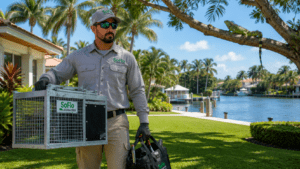
If you’re facing challenges or want expert guidance, SoFlo Iguana Pros specializes in humane, legal iguana trapping and removal across South Florida. Give us a call at (561) 735-1975 to discuss your situation and get professional help tailored to your property.