South Florida’s rainy season often brings more than just heavy showers and lush greenery—it also triggers a surge in iguana activity that can create challenges for homeowners. Understanding the behavior of iguanas during this wet period and how their burrowing habits impact your property is essential for managing these resilient reptiles safely and effectively.
Why Iguanas Become More Active in the Rainy Season
The rainy season in South Florida, typically spanning from May through October, leads to warmer, more humid conditions ideal for iguanas. These reptiles are cold-blooded, relying on external heat sources to regulate their body temperature, and the rainy season’s climate encourages increased movement and feeding.
During this time, iguanas are often seen foraging more frequently and traveling longer distances to find food and mates. This heightened activity can result in more frequent visits to residential yards and gardens, where they seek plants and shelter.
Understanding Iguana Burrows and Why They Matter
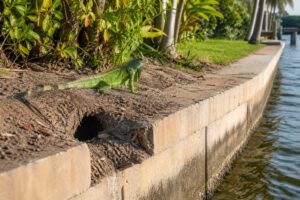
Iguanas dig burrows primarily for nesting and shelter. In South Florida’s soft, moist soil during the rainy season, burrowing becomes easier and more common. However, these burrows can create significant issues for homeowners, including:
- Damage to landscaping and irrigation systems
- Structural concerns if burrows form near foundations or seawalls
- Increased erosion and soil instability
Identifying iguana burrows early is critical. Burrows typically appear as small, rounded holes 4 to 6 inches in diameter, often found in shaded or protected areas such as garden beds, under patios, or near retaining walls.
Safe and Humane Approaches to Managing Burrows
While it may be tempting to fill in iguana burrows immediately, doing so without removing the animals can cause harm and may be ineffective. Humane management involves:
- Locating active burrows and monitoring iguana activity patterns.
- Using exclusion barriers like mesh fencing to prevent access to vulnerable areas.
- Trapping and relocation by experienced professionals who follow South Florida wildlife regulations.
- Restoring disturbed soil and reinforcing vulnerable spots with landscaping modifications.
Remember, South Florida has guidelines protecting wildlife, and humane handling is essential to avoid legal issues and ensure the safety of both iguanas and residents.
Effective Trapping Tips for Homeowners
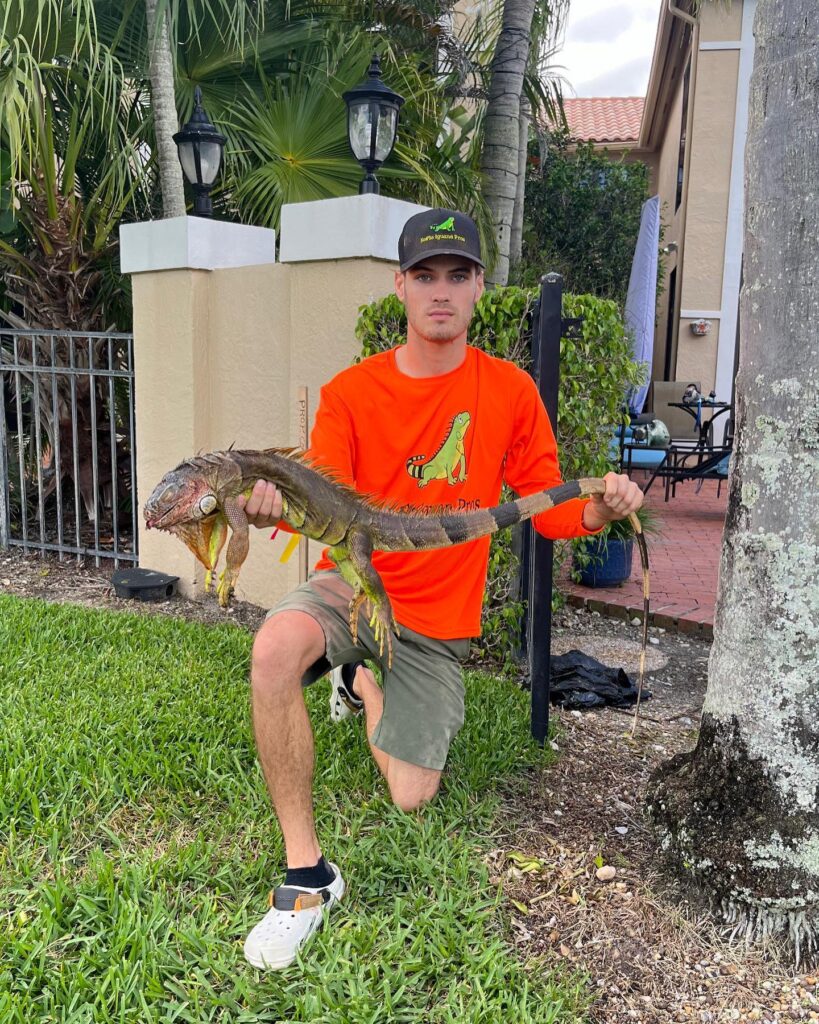
If you decide to trap iguanas yourself, keep these practical tips in mind to enhance safety and success:
- Choose the right trap: Use a sturdy, live-capture cage trap designed for reptiles, available at many hardware stores or from wildlife suppliers.
- Position traps strategically: Place traps near burrows, feeding areas, or pathways frequented by iguanas during early morning or late afternoon when they are most active.
- Bait selection: Iguanas prefer leafy greens such as collard, mustard, or turnip greens, as well as fruits like mango or papaya. Fresh bait is key.
- Check traps frequently: To reduce stress on captured animals, check traps at least twice a day.
Always handle trapped iguanas with care or contact professionals to assist with removal and relocation.
Legal and Humane Considerations in Iguana Control
South Florida homeowners must be aware that iguanas, while invasive, are still subject to wildlife regulations. It is illegal to relocate iguanas outside of approved zones or to harm them unnecessarily. Humane treatment includes:
- Using live traps rather than poisons or lethal methods
- Following local laws regarding capture and relocation
- Consulting licensed wildlife control experts when in doubt
Adhering to these principles not only protects you legally but also ensures ethical handling of these animals.
Preventing Future Iguana Problems
Proactive measures can minimize iguana issues during the next rainy season. Consider:
- Removing or securing food sources such as fruit trees and vegetable gardens
- Installing physical barriers around landscaping beds
- Maintaining your property to eliminate potential burrowing sites
- Encouraging natural predators by preserving native wildlife habitats
Regular maintenance and vigilance are your best defenses against iguana-related damage.
FAQ: Common Questions About Rainy Season Iguana Issues
Q: Why do iguanas dig more burrows during the rainy season?
A: The moist soil makes digging easier, and it coincides with their nesting period, increasing burrow activity.
Q: Are iguanas dangerous to humans or pets?
A: Iguanas are generally not aggressive, but they can bite or scratch if threatened. Keep pets away from iguanas to avoid conflicts.
Q: Can I use poison or traps that kill iguanas?
A: No. South Florida regulations prohibit lethal control methods. Humane trapping and professional removal are the recommended approaches.
Q: How do I know if a burrow is active?
A: Look for fresh digging, tracks, or iguana sightings nearby, often early in the morning or late afternoon.
Q: When is the best time to trap iguanas?
A: Early morning and late afternoon, when iguanas are most active and likely to approach baited traps.
If iguanas are causing damage or safety concerns on your South Florida property during the rainy season, professional help can make all the difference. SoFlo Iguana Pros specializes in safe, humane iguana control tailored to the unique challenges of this region. Call us at (561) 735-1975 to discuss your situation and get expert assistance.