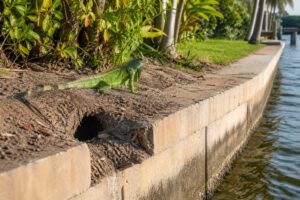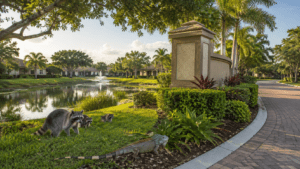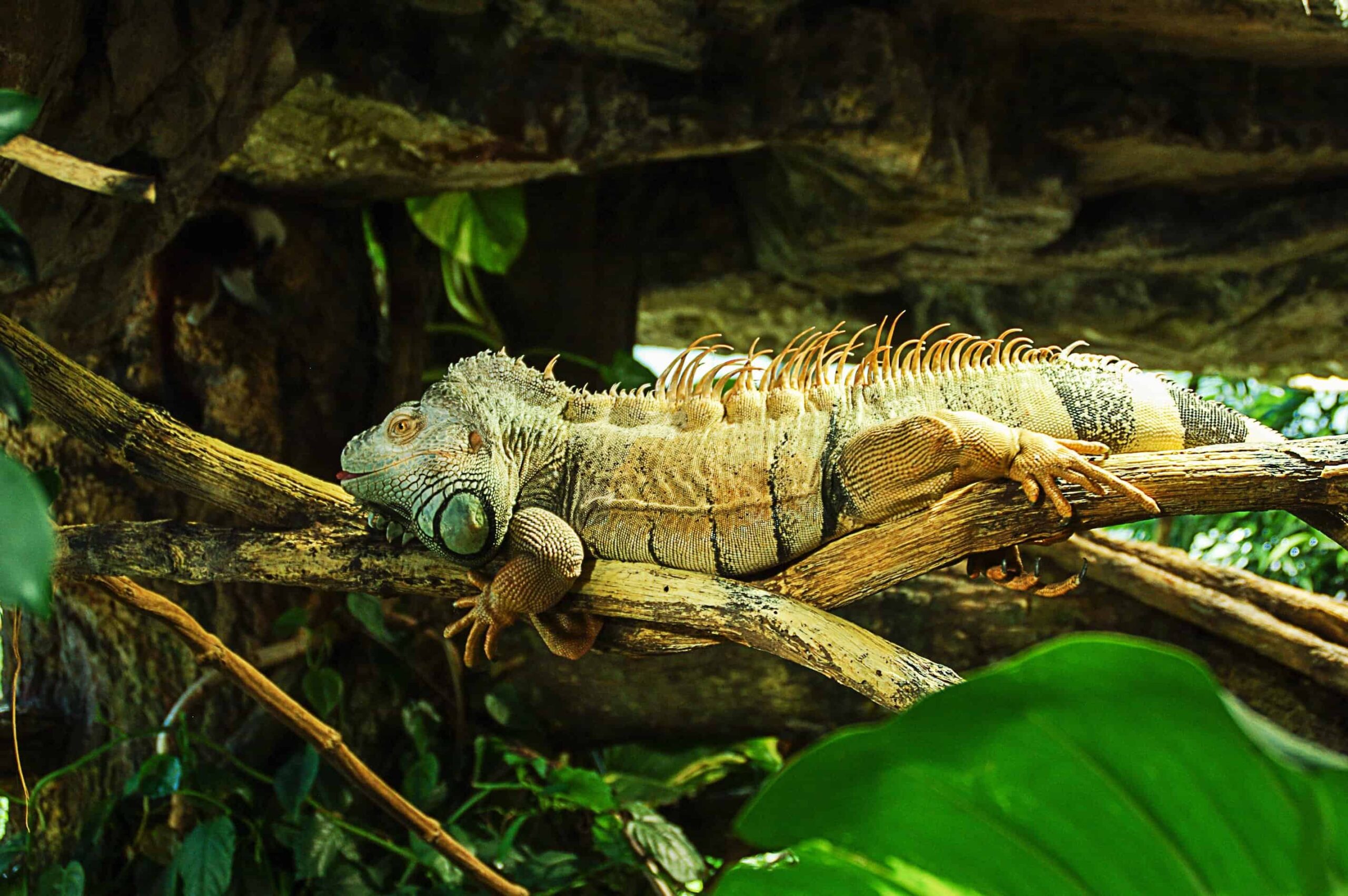
South Florida’s lush yards often feature vibrant greenery that attracts more than just admiring eyes. Iguanas, common residents of the region, are notorious for snacking on a variety of plants, sometimes leaving homeowners frustrated with damaged foliage. Understanding which plants iguanas prefer can help you manage your landscaping smartly and protect your garden’s beauty.
Why Do Iguanas Favor Certain Plants?
Iguanas are primarily herbivores with a diet consisting of leaves, flowers, and fruit. In South Florida’s warm climate, they thrive year-round and tend to seek out plants that provide both nutrition and moisture. Their preferences often include colorful, tender leaves and blossoms that are easy to munch on, which explains their attraction to popular landscaping choices.
Hibiscus: A Favorite Snack for Iguanas
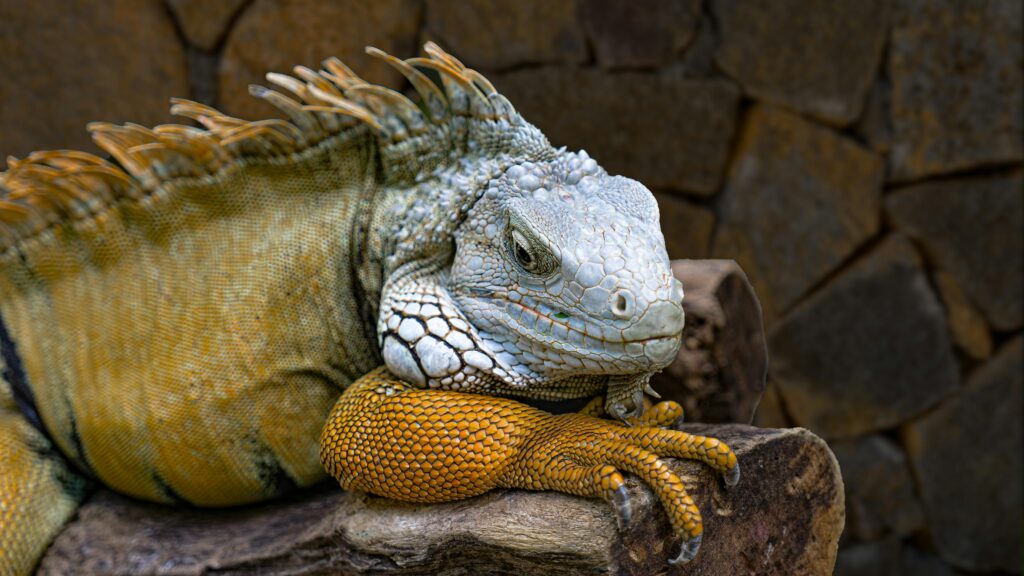
Hibiscus plants are a staple in many South Florida yards due to their bright, showy flowers. Unfortunately, this also makes them a top target for iguanas. The tender leaves and blooms are highly palatable to these reptiles. If you notice chewed petals or ragged leaves, hibiscus damage from iguanas might be the cause.
Bougainvillea: Beauty and Vulnerability
Bougainvillea is prized for its vibrant bracts and thorny stems, which might seem like a natural deterrent. However, iguanas often nibble on the leaves and softer parts of the plant despite the thorns. While the thorns discourage some animals, iguanas’ climbing ability lets them access these plants with ease, making bougainvillea a frequent victim.
Other Commonly Eaten Plants in South Florida Yards

Besides hibiscus and bougainvillea, iguanas are known to feed on a variety of other ornamental and fruit-bearing plants. These include:
- Philodendron leaves
- Ficus plants
- Flowering vines
- Fruit trees like mango and avocado
Recognizing these preferred plants can help you plan your landscape to reduce damage or implement protective measures.
How to Protect Your Yard from Iguana Damage
Managing iguana impact involves a combination of habitat modification and deterrent strategies. Here are practical tips South Florida homeowners can use:
- Choose less palatable plants: Incorporate tougher, less appetizing species in vulnerable areas.
- Use physical barriers: Install fencing or netting around delicate plants like hibiscus.
- Remove attractants: Clear fallen fruit or excess vegetation that may lure iguanas.
- Humane deterrents: Motion-activated sprinklers or reflective surfaces can discourage iguana visits.
Combining these steps often reduces iguana-related damage without harming the animals.
Humane Iguana Control and Removal Considerations
In some cases, especially when iguana populations become too large, professional help is advisable. Humane trapping and relocation require understanding local wildlife regulations. In South Florida, it’s important to use approved methods and handle animals responsibly to protect native ecosystems.
Consulting experts ensures that control efforts are both effective and ethical, minimizing stress for the iguanas and reducing damage to your property.
FAQ: Common Questions About Iguanas and South Florida Plants
Q1: Are hibiscus and bougainvillea safe to plant if I have iguanas?
While iguanas may nibble on these plants, they can still be grown successfully with proper protective measures like fencing or deterrents.
Q2: Can iguanas kill plants by eating too much?
Yes, repeated feeding can severely damage or kill plants, especially young or tender ones.
Q3: Is it legal to trap and relocate iguanas in South Florida?
Local regulations vary; always check current laws and use humane methods. Professional assistance is recommended.
Q4: What are the best plants to deter iguanas?
Plants with tough, fibrous leaves or strong scents (like certain native species) tend to be less appealing to iguanas.
Q5: How can I safely remove iguanas from my yard?
Contact a licensed wildlife professional who uses humane trapping and removal techniques in compliance with South Florida regulations.
Protect Your South Florida Yard With Help From SoFlo Iguana Pros
Understanding the plants iguanas love to eat is the first step to protecting your landscaping. If you’re facing persistent iguana issues or need guidance on humane removal, SoFlo Iguana Pros offers expert assistance tailored to South Florida’s unique environment. Call us today at (561) 735-1975 to schedule a consultation and keep your yard thriving without unwanted reptilian visitors.