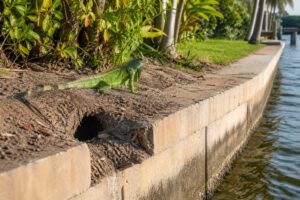
As South Florida enters iguana nesting season, many homeowners notice a sudden increase in iguana activity around their properties. While these reptiles are a familiar sight in our region, nesting behaviors can lead to property damage, unsightly burrows, and concerns about iguana eggs in yards and gardens. Understanding what to expect during nesting season and how to address these challenges humanely is essential for protecting your home and local wildlife.
Why Nesting Season Brings More Iguana Activity
Nesting season generally spans late winter through spring in South Florida, when female iguanas seek suitable sites to lay their eggs. These reptiles dig burrows to deposit their eggs, often in soft soil or garden beds, which can cause structural issues around sidewalks, pools, and foundations.
During this time, you might see more digging near your property, along with increased movement as females search for the perfect nesting spot. Recognizing these signs early can help you take effective action before damage becomes severe.
Identifying Iguana Burrows and Nesting Sites
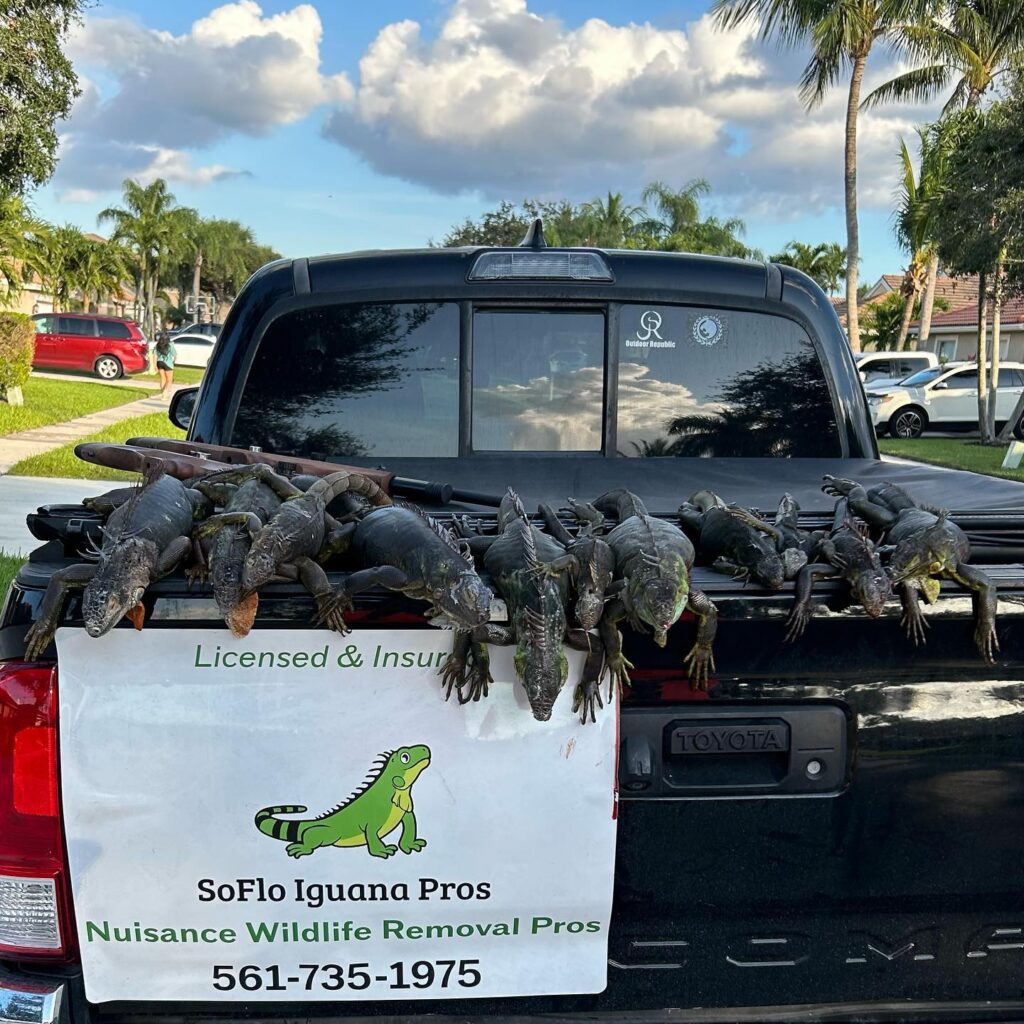
One of the first indicators of nesting activity is the presence of burrows. Iguana burrows are typically 6 to 12 inches wide and can extend several feet underground. These tunnels have a loose, sandy appearance around the entrance, often with disturbed soil or small piles of excavated dirt nearby.
Common nesting locations include:
- Flower beds and vegetable gardens
- Under decks and patios
- Near pool areas with soft landscaping
- Along fences or retaining walls
Identifying and monitoring these burrows is crucial to managing the iguana population humanely and preventing further damage.
Why Iguana Eggs Can Be a Concern
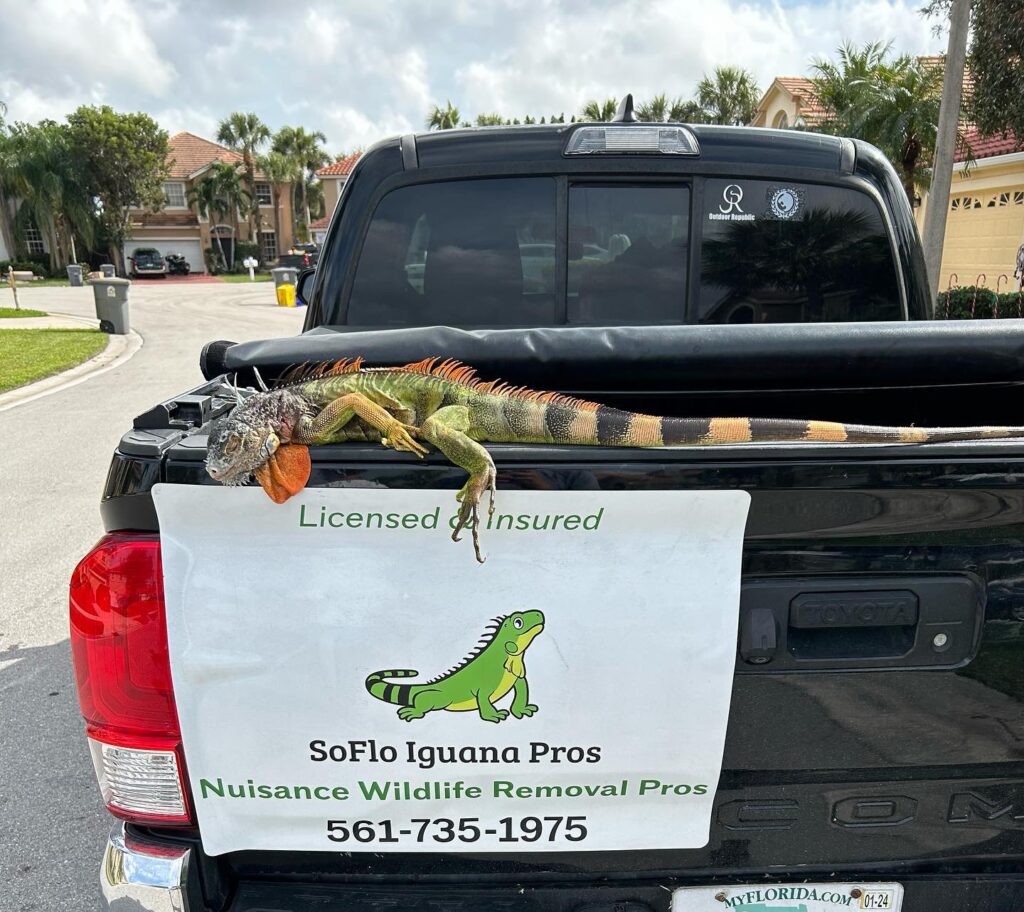
Female iguanas can lay clutches of 20 to 70 eggs, buried safely underground for incubation. While the eggs themselves don’t cause direct damage, the digging process can disrupt your landscaping, damage irrigation systems, and create safety hazards around your yard.
Additionally, a large number of hatchlings can increase local iguana populations, compounding nuisance issues over time.
Humane Approaches to Managing Nesting Iguanas
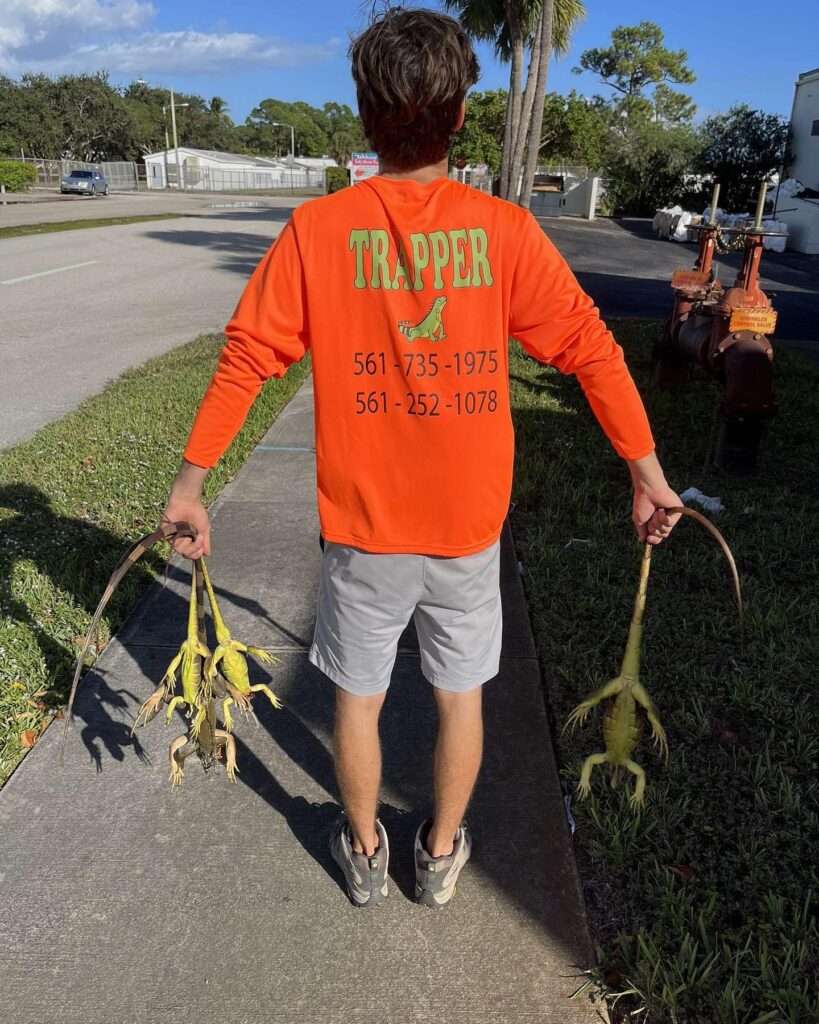
Humane wildlife control is vital when dealing with nesting iguanas. South Florida regulations protect certain wildlife species, and trapping or handling must be done responsibly to avoid harm.
Effective management techniques include:
- Habitat modification: Remove loose soil piles and fill in existing burrows to discourage nesting.
- Physical barriers: Use mesh or fencing around vulnerable garden areas to prevent digging.
- Safe trapping: Use humane traps baited appropriately to capture nuisance iguanas for relocation by licensed professionals.
- Regular monitoring: Inspect your property frequently during nesting season to catch new burrows early.
It’s important to avoid harming iguanas or relocating them without proper permits, as this can be illegal and detrimental to local ecosystems.
Tips on Trap Setup and Bait Selection
If you decide to use traps, select cages that are large enough for iguanas and comply with local wildlife regulations. Bait selection plays a critical role in success—fresh fruits like mango, papaya, or banana often attract iguanas effectively.
Place traps near active burrows or feeding areas, check traps frequently to reduce stress on captured animals, and never attempt relocation without professional guidance.
Safety Precautions for Homeowners
While iguanas are generally non-aggressive, they can become defensive if cornered or handled improperly. During nesting season, females may exhibit more territorial behavior. Homeowners should:
- Avoid direct contact with iguanas, especially near nests.
- Keep children and pets away from burrows and nesting sites.
- Use gloves and long tools if attempting minor burrow repairs or trap setups.
- Consult professionals for removal to ensure safe and legal handling.
FAQ: Nesting Season Iguana Issues
Q: Can I prevent iguanas from nesting on my property entirely?
While you can reduce the likelihood by removing soft soil areas and using barriers, completely preventing nesting can be challenging in South Florida’s environment.
Q: Are iguana eggs dangerous or toxic?
No, iguana eggs are not harmful to humans or pets, but their presence indicates burrowing that can damage your property.
Q: Is it legal to trap and relocate iguanas in South Florida?
Relocation requires permits and must be done humanely by professionals familiar with local wildlife regulations.
Q: How quickly do iguana burrows cause damage?
Burrows can undermine soil stability and landscaping within weeks, so early intervention is important.
Q: What should I do if I find a large iguana nest on my property?
Contact a licensed wildlife control expert to evaluate and safely manage the situation.
Contact SoFlo Iguana Pros for Humane Nesting Season Solutions
If iguana nesting activity is causing problems at your South Florida home, SoFlo Iguana Pros offers experienced, humane wildlife control services tailored to the unique challenges of the season. Our team understands local regulations and uses safe, effective methods to protect your property and the native ecosystem.
Call us today at (561) 735-1975 to schedule an inspection or learn more about managing nesting season iguana issues around your home.