Living in South Florida means sharing your outdoor spaces with a variety of wildlife, including the often troublesome green iguana. For homeowners dealing with these large lizards, selecting the right trapping method is crucial. Two popular options are live traps and repeating traps. Each comes with its own set of advantages, limitations, and best practices. Understanding these differences can make your iguana control efforts more efficient, humane, and legal.
What Are Live Iguana Traps?
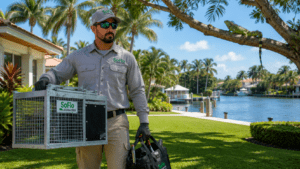
Live traps are single-capture devices designed to safely contain one iguana at a time. Typically made of wire mesh with a door that closes once the animal enters, these traps allow for humane capture without harm. They are commonly baited with leafy greens or fruits to lure iguanas inside.
Advantages of live traps include:
- Humane capture with minimal stress to the iguana
- Simple setup and easy monitoring
- Effective for targeted removal in smaller areas
However, live traps require regular checking to avoid prolonged confinement, which is important for the animal’s welfare and compliance with local wildlife regulations.
Understanding Repeating Iguana Traps
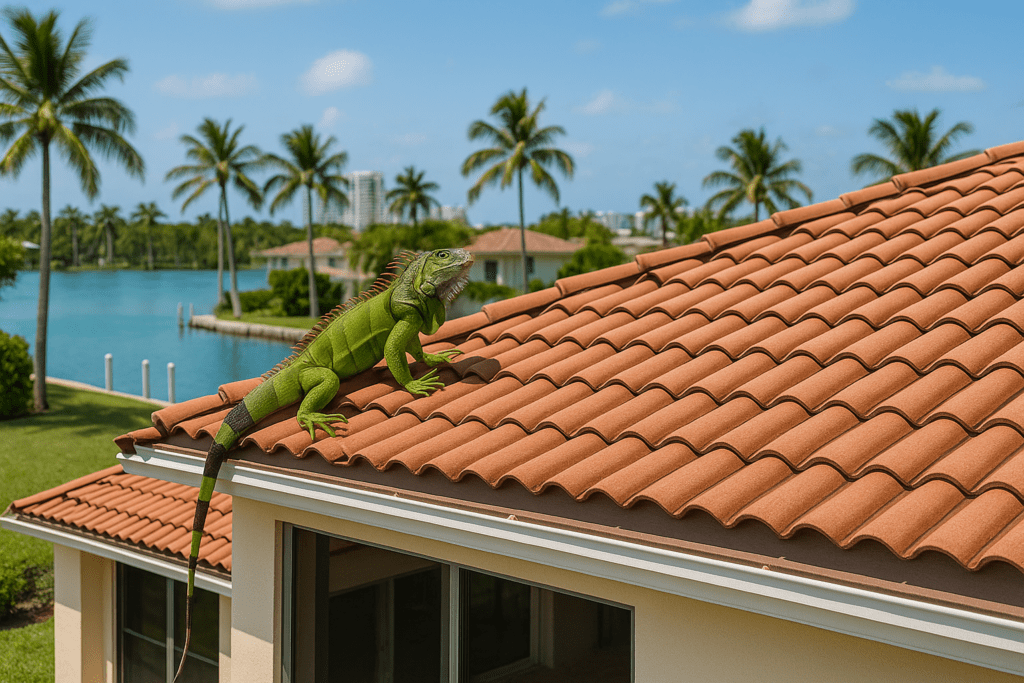
Repeating traps, also known as multi-catch traps, are designed to capture multiple iguanas without needing to be reset after each catch. These traps typically use a system of one-way doors or funnels that allow iguanas to enter but not exit, making them useful for areas with high iguana activity.
Benefits of repeating traps include:
- Capturing several iguanas before needing to be emptied
- Less frequent monitoring compared to single-catch traps
- Efficient for larger properties or dense iguana populations
On the downside, repeating traps can be more complex to install and may require more space. They also demand careful attention to animal welfare and legal compliance.
Comparing Live and Repeating Traps: What Homeowners Should Consider
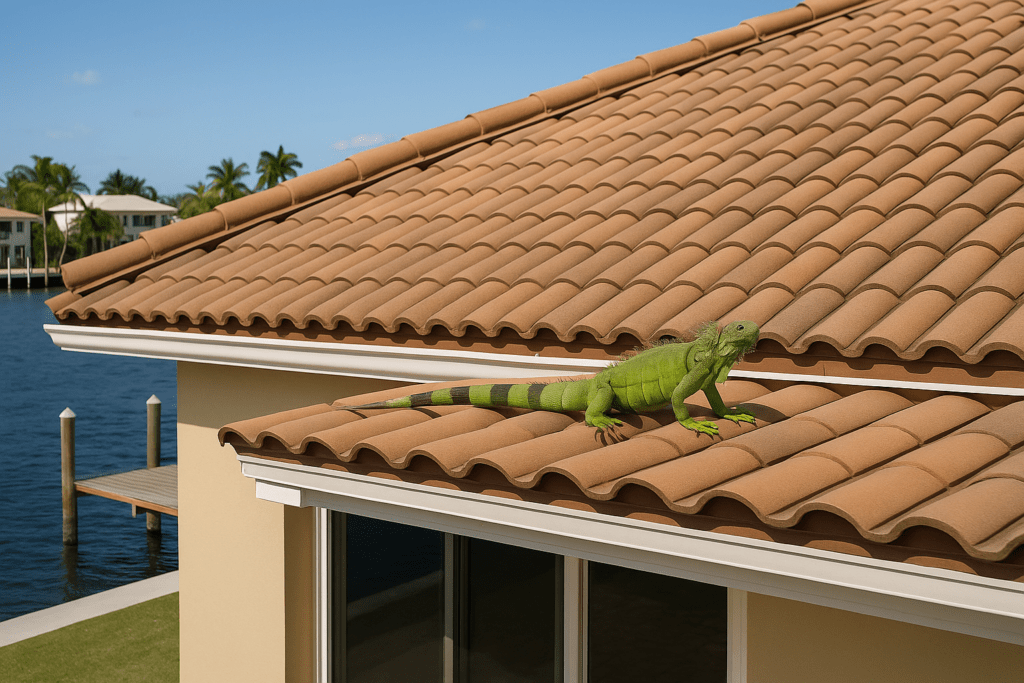
Choosing between live and repeating traps depends on your specific iguana problem and property layout. Here are key points to weigh:
- Property Size and Iguana Numbers: Small yards with occasional iguana visits may do well with live traps. Larger areas or frequent sightings might warrant repeating traps.
- Monitoring Commitment: Live traps require daily checks for humane reasons. Repeating traps allow less frequent visits but still need regular attention.
- Humane Handling and Legal Requirements: Both trap types must be used in accordance with South Florida wildlife laws. Prompt release or transfer to authorized facilities is essential.
- Trap Placement and Bait: Position traps along iguana travel paths, near food sources, or shaded areas. Preferred bait includes collard greens, hibiscus leaves, or ripe fruits.
Setting Up Your Trap Safely and Effectively
Regardless of trap type, proper setup is essential for success and safety:
- Wear gloves to avoid human scent transfer and protect yourself.
- Place traps in shady, sheltered areas to prevent overheating.
- Use fresh, attractive bait and replenish regularly.
- Check traps at least once daily to reduce iguana stress.
- Keep children and pets away from trap zones.
Legal and Humane Considerations in South Florida
Green iguanas are considered invasive in South Florida but are still subject to state and local wildlife regulations. It’s important to:
- Understand and follow all trapping and relocation laws.
- Handle captured iguanas humanely to minimize injury and stress.
- Avoid releasing iguanas into new areas to prevent ecological impact.
- Seek professional assistance if unsure about legal or humane protocols.
Frequently Asked Questions
Q: How often should I check my iguana traps?
It’s best to check traps at least once every 24 hours to reduce stress and ensure humane treatment.
Q: Can I use any bait for iguana traps?
Vegetables like collard greens, hibiscus leaves, and fruits such as mango or papaya are most effective for attracting iguanas.
Q: Is it legal to release trapped iguanas in other locations?
No. Releasing iguanas into new areas can cause environmental harm and is often illegal. Consult local authorities or wildlife professionals.
Q: What if I catch a large iguana that the trap can’t hold?
Use appropriately sized traps and contact professionals if dealing with unusually large or aggressive iguanas.
Conclusion and Next Steps
Both live and repeating traps can be valuable tools in managing iguana populations on your South Florida property. Your choice should balance effectiveness, humane treatment, and legal compliance. When in doubt, professional assistance from SoFlo Iguana Pros ensures safe, responsible, and effective iguana control tailored to your needs.
For expert guidance or hands-on help, call SoFlo Iguana Pros at (561) 735-1975. Protect your home and the local environment with humane, South Florida-friendly wildlife solutions.