Iguanas Eating My Plants
If you are searching for help with Iguanas Eating My Plants, you are probably past the point of simply noticing a lizard in the yard. In South Florida, iguanas can turn a healthy garden into a chewed-up buffet, especially when your property has hibiscus, bougainvillea, orchids, leafy vegetables, fruiting plants, or fresh landscaping that offers shade and easy feeding.
At SoFlo Iguana Pros, we help homeowners, HOAs, property managers, and businesses protect outdoor spaces from ongoing iguana damage. The goal is not just to remove the current nuisance activity, but to understand why iguanas are choosing your yard, how they are getting in, what they are eating, and what prevention steps make sense for your specific property.
Why Iguanas Eating My Plants Becomes More Than a Garden Problem
Chewed Leaves, Broken Stems, and Missing Blooms
Iguanas are strong climbers and steady feeders. They often target tender new growth first, which means your plants may look stripped before they ever have a chance to recover. Hibiscus flowers, vegetable gardens, young ornamentals, and lush tropical landscaping are common favorites. Many customers first notice uneven bite marks, shredded leaves, missing flowers, or branches snapped where an iguana climbed through the plant.
Droppings Where Your Family Walks, Plays, and Relaxes
Plant damage is frustrating, but droppings can make the problem feel personal fast. Iguanas commonly leave waste on patios, pool decks, walkways, docks, driveways, and the same garden edges where children and pets spend time. In a South Florida yard built for outdoor living, that can quickly turn a usable space into one you avoid until it is cleaned again.
Access From Fences, Trees, Rooflines, and Canals
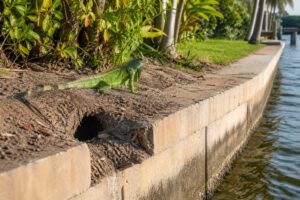
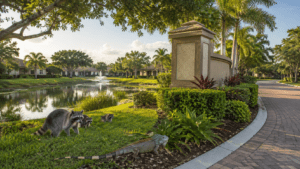
Many yards are easy for iguanas to enter without using the front gate. They travel along seawalls, canal banks, fence tops, hedges, overhanging trees, screen enclosure frames, and neighboring properties. If your plants are near a canal, lake, golf course, preserve edge, or dense privacy landscaping, your garden may sit directly on an iguana travel route.
Fresh Landscaping Can Attract Repeat Visits
New plantings are especially vulnerable because they are tender, watered often, and easy to reach. We see this after landscape upgrades, HOA beautification projects, pool remodels, and backyard renovations. Without a prevention plan, iguanas may return to the same plants day after day, turning a costly landscaping investment into ongoing maintenance and replacement expense.
Our Iguanas Eating My Plants Service Plan
1. Inspect the Plants Being Targeted
We begin by looking closely at the specific areas where feeding is occurring. That includes damaged hibiscus, garden beds, potted plants, palms, privacy hedges, fruiting plants, and fresh landscape installations. The type of plant damage, the height of the feeding, and the pattern of movement help us determine whether iguanas are actively using the area or simply passing through.
2. Identify Entry and Travel Routes
Stopping plant damage requires knowing how iguanas reach the plants in the first place. We check fence lines, gates, seawalls, dock areas, retaining walls, trees, roof access points, utility easements, canal edges, and dense vegetation. On many South Florida properties, the issue is not one opening. It is a combination of shade, water, food, and convenient pathways.
3. Evaluate Patios, Walkways, and Outdoor Living Areas
Because iguanas often move between feeding areas and sunning spots, we inspect patios, pool decks, pavers, sidewalks, lanais, and driveway edges. These areas often show droppings, tail marks, tracks, or basking activity. Understanding where iguanas rest helps us build a more complete control strategy instead of only reacting to the chewed plants.
4. Create a Humane Control Approach
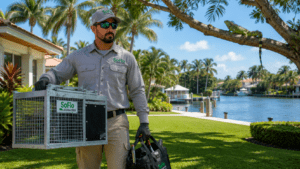
SoFlo Iguana Pros uses humane, professional, and legal methods appropriate for the property and local requirements. We do not use poisons. Our recommendations may include removal services, targeted deterrents, habitat adjustments, access reduction, and ongoing monitoring depending on the severity of the activity and the layout of the yard.
5. Recommend Property-Specific Plant Protection
Not every yard needs the same solution. A canal-front backyard with hibiscus along the seawall needs a different plan than a townhouse patio with potted crotons or a commercial entrance with fresh ornamentals. We look at plant placement, irrigation patterns, trimming needs, sun exposure, and access points so prevention supports the way your landscape is actually used.
6. Reduce Shelter and Basking Opportunities
Iguanas prefer properties where they can eat, hide, and warm themselves without much effort. We may recommend trimming low branches, thinning heavy groundcover, adjusting debris storage, closing off certain gaps, or reducing easy hiding areas near the plants being damaged. Small changes can make a yard less comfortable for repeat feeding.
7. Address Burrow and Bank Concerns When Present
If your property is near a canal, lake, retention area, or slope, plant damage may be connected to nearby burrowing or bank activity. We inspect for signs of digging, loose soil, worn paths, and repeated movement near water. When burrow concerns are present, we explain the safest next steps and how they relate to protecting your landscaping.
8. Set Up Follow-Up Guidance for Ongoing Pressure
South Florida iguana pressure can change with season, weather, nearby construction, water levels, and neighboring property conditions. We provide practical follow-up guidance so you know what to watch for, when to call, and which landscape changes may reduce future plant feeding. The goal is steady control, not one-size-fits-all promises.
Why South Florida Property Owners Choose SoFlo Iguana Pros
We understand local landscaping. South Florida yards are not simple lawns with a few shrubs. They often include tropical ornamentals, privacy hedges, poolside plantings, fruit trees, canal edges, potted patio plants, and HOA-approved landscape designs. We tailor our recommendations to the plants you are trying to protect.
We focus on the real cause of the feeding. Iguanas are not eating your plants by accident. They are finding food, cover, warmth, and access. Our service looks at the full property so you are not stuck replacing the same plants while the same iguanas continue using the same route.
We respect family and pet use of the yard. Many customers call because the garden damage is now affecting how they use the patio, pool area, or backyard. Droppings on walkways, chewed plants near play areas, and iguanas sunning near doors can make a yard feel less inviting. We keep those daily-use concerns in mind when building the plan.
We communicate clearly. You will not get vague advice or scare tactics. We explain what we are seeing, which conditions are encouraging activity, what service options are appropriate, and what prevention steps make the most sense for your property. If a plant is highly attractive to iguanas, we will tell you directly.
We use professional, humane methods. Iguana control in Florida should be handled responsibly. SoFlo Iguana Pros provides service with attention to legal requirements, property safety, humane practices, and practical results. We do not recommend poisons or unsafe do-it-yourself trapping attempts.
We know waterfront and neighborhood pressure. Many South Florida properties share iguana problems with nearby canals, lakes, golf courses, preserves, and neighboring yards. We help you understand what can be controlled on your property and how to reduce the features that invite repeat visits.
Ready to Solve This Iguana Problem?
Your garden should not feel like it exists for the local iguana population. If iguanas are eating your hibiscus, damaging new landscaping, leaving droppings on patios and walkways, or making the yard less comfortable for your family and pets, SoFlo Iguana Pros can help with a property-specific plan.
Call (561) 735-1975 today to schedule humane iguana control in South Florida. We will inspect the damage, identify access points, and build a practical plan for Iguanas Eating My Plants so you can protect your landscaping and enjoy your outdoor space again.