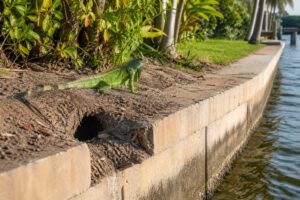
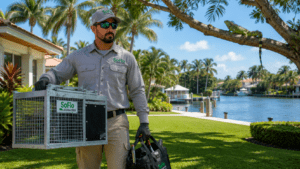
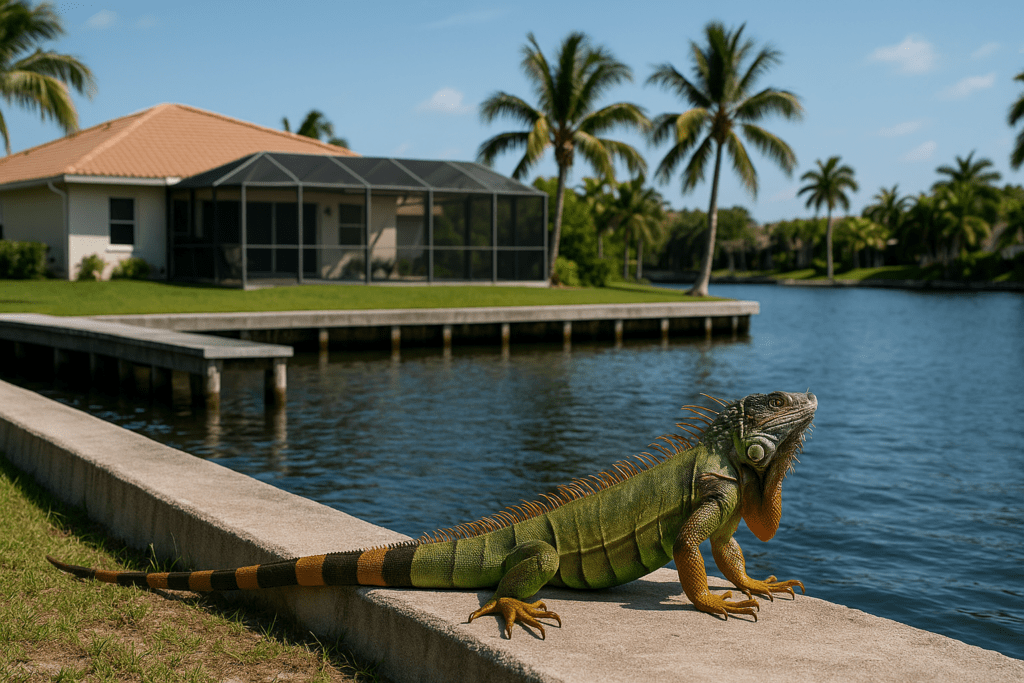
South Florida’s waterfront properties are paradise for many—but for iguanas, docks and boat lifts offer prime spots to bask, forage, and hide. If you’ve noticed these large reptiles lingering near your water access points, setting up an effective iguana trap can help manage their presence humanely and safely. This guide provides practical advice tailored to South Florida homeowners on how to set traps near docks and boat lifts, select the right bait, and comply with local wildlife regulations.
Why Iguanas Favor Docks and Boat Lifts
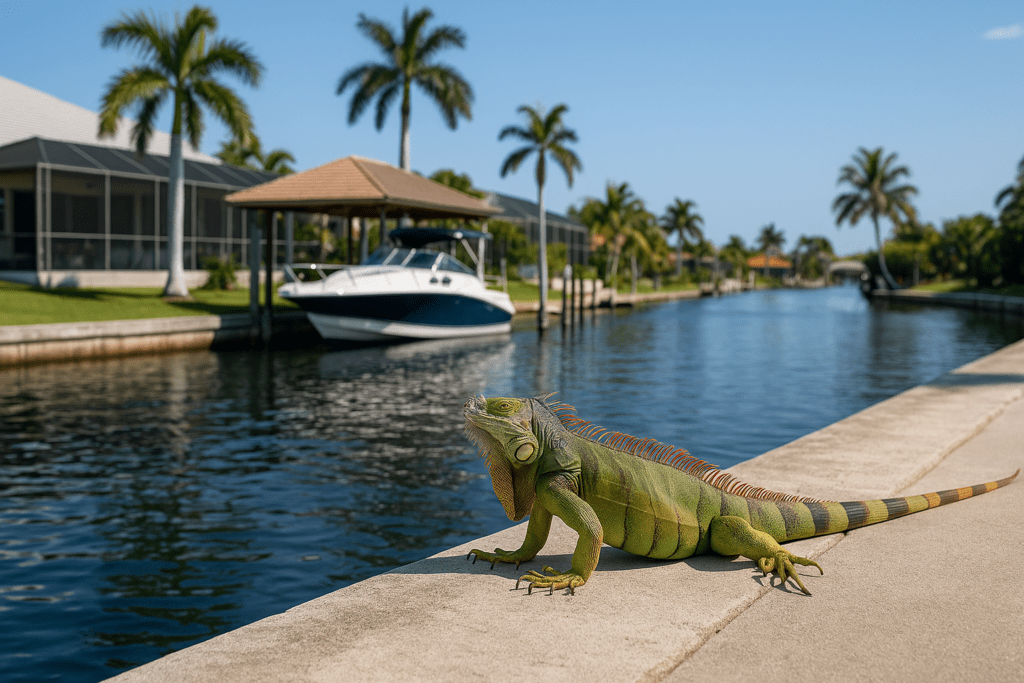
Iguanas thrive in warm, sunny environments close to water, making docks and boat lifts natural hangouts. These structures provide them with easy access to shade, hiding spots, and food sources such as ornamental plants or discarded bait. Understanding this behavior is essential for placing traps effectively and minimizing property damage or safety hazards around your waterfront.
Choosing the Right Location for Your Trap
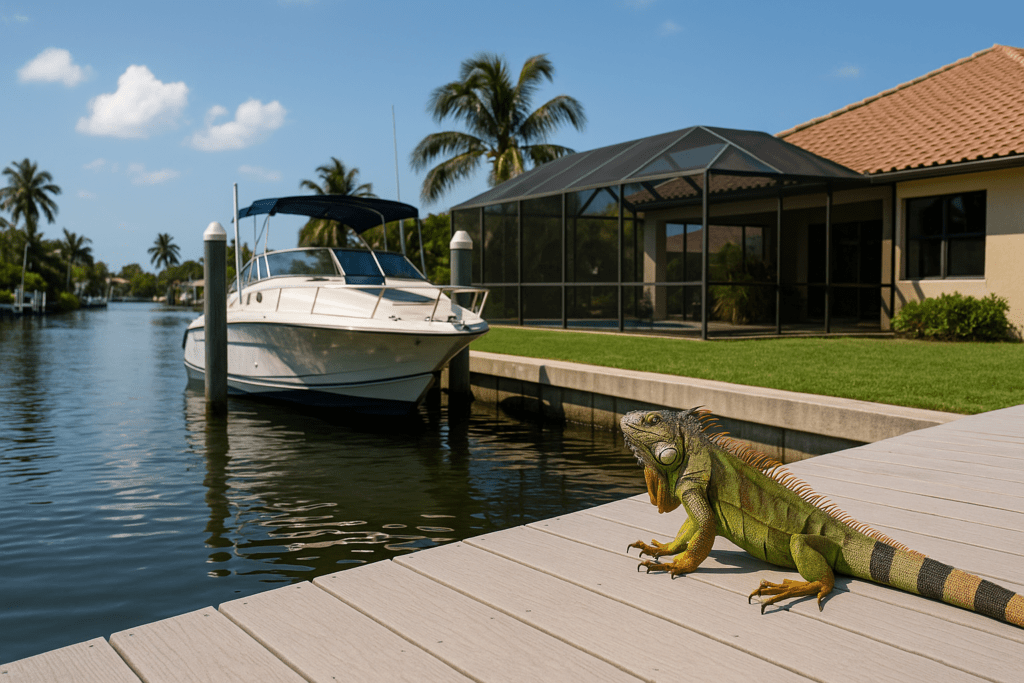
When setting a trap near docks or boat lifts, location is key. Look for areas with frequent iguana activity—signs include droppings, tracks, or visible sightings. Consider these placement tips:
- Position traps in shaded areas close to iguana trails or feeding spots.
- Avoid locations obstructing boat access or where pets and children frequently play.
- Secure traps firmly to prevent tipping or drifting into the water.
- Ensure the trap entrance is facing the path of iguana movement to increase catch success.
Selecting Effective Bait for Dockside Iguana Traps
Successful trapping depends heavily on bait choice. Iguanas are primarily herbivores and are attracted to fresh, leafy greens and fruits. Recommended baits include:
- Collard greens or kale
- Fresh mango or papaya slices
- Cucumber or zucchini pieces
- Unseasoned berries like strawberries
Place bait at the back of the trap to encourage iguanas to enter fully before triggering closure.
Humane Trapping and Legal Considerations in South Florida
South Florida has regulations governing the capture and removal of iguanas to ensure humane treatment and environmental safety. Always:
- Use live traps designed to minimize stress and injury.
- Check traps frequently to prevent prolonged confinement.
- Consult local wildlife authorities about proper handling and relocation protocols.
- Avoid lethal methods or releasing iguanas in unsuitable habitats.
Respecting these standards not only protects the animals but also keeps your actions compliant with Florida laws.
Safety Tips When Handling Traps Near Water
Working near docks and boat lifts presents unique safety challenges. Keep these precautions in mind:
- Wear gloves to avoid scratches and bacterial exposure.
- Secure footing to prevent slips on wet surfaces.
- Keep a safe distance when checking traps, as iguanas can bite or scratch when stressed.
- Ensure traps are stable and won’t tip into the water, risking escape or damage.
Monitoring and Maintaining Your Trap Setup
Consistent monitoring improves trap success and animal welfare. Check traps daily, refresh bait as needed, and clean traps regularly to prevent odors that may deter iguanas. If you notice repeated captures of the same animal or no activity over time, consider relocating the trap or consulting a professional for assessment.
Frequently Asked Questions (FAQ)
Can I set iguana traps myself near my dock?
Yes, homeowners can set traps, but it’s important to follow humane practices and local regulations. Use live traps, check them regularly, and handle captured iguanas carefully.
What is the best time of day to trap iguanas?
Iguanas are most active during daylight, especially in the morning and late afternoon when temperatures are moderate. Setting traps during these times can increase success.
Are iguanas harmful to docks or boats?
While iguanas don’t typically damage boats directly, their burrowing near dock pilings or their weight on structures like boat lifts can cause wear or safety concerns over time.
What should I do after catching an iguana?
Contact a licensed wildlife professional or local authorities to ensure safe and legal handling. Do not release iguanas into unfamiliar areas, as this can harm the ecosystem.
How can I discourage iguanas from returning?
Remove readily available food sources, secure trash, and consider landscaping choices that are less attractive to iguanas. Professional advice can help develop a long-term management plan.
Managing iguanas around South Florida docks and boat lifts requires a thoughtful, humane approach. If you need expert assistance setting traps or safely removing iguanas, SoFlo Iguana Pros is ready to help. Call us at (561) 735-1975 for reliable wildlife control tailored to waterfront homes throughout South Florida.