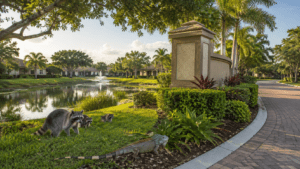
South Florida’s lush environment is perfect for tropical plants but also attracts iguanas, which can cause damage to gardens and landscaping. If you’re looking to protect your outdoor spaces while maintaining a beautiful yard, creating iguana-resistant landscaping is a smart approach. This guide covers plant selections, landscaping techniques, and humane prevention methods to help South Florida homeowners safeguard their properties.
Understanding Iguana Behavior and Impact on Landscaping
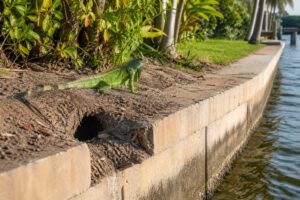
Iguanas are common in South Florida due to the warm climate and abundant food sources. These reptiles are primarily herbivores, feeding on leaves, flowers, and fruits, which can result in significant damage to gardens and ornamental plants. They also dig burrows, sometimes undermining foundations, walkways, or irrigation systems. Knowing their habits helps in designing landscapes less attractive or accessible to iguanas.
Choosing Iguana-Resistant Plants
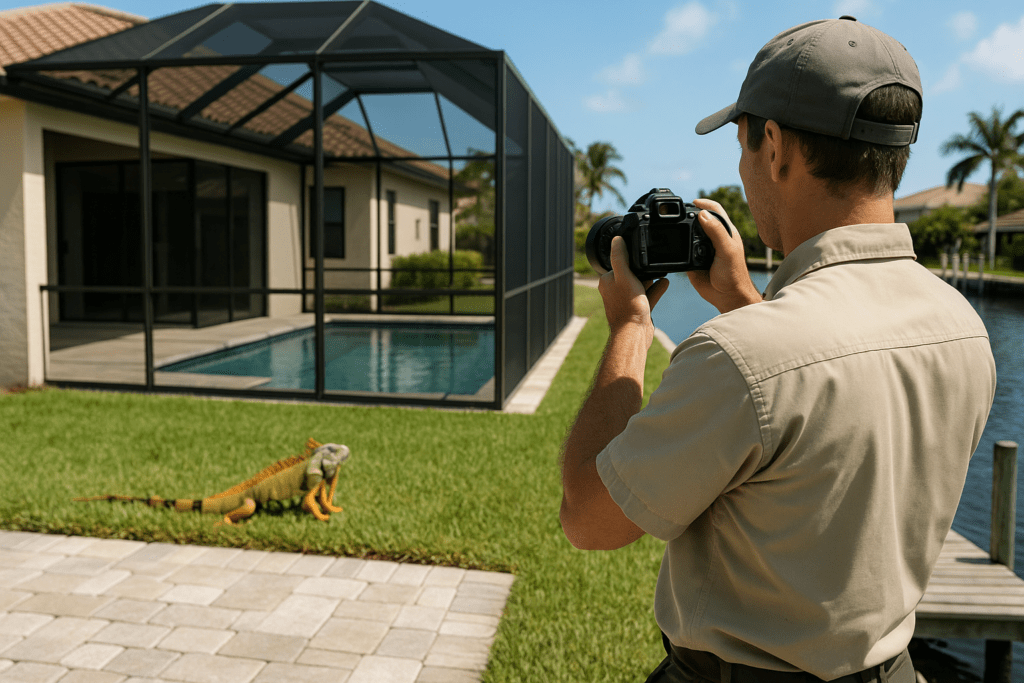
Some plants are naturally less appealing or even deterrent to iguanas. Incorporating these into your yard can reduce the likelihood of visits and damage:
- Native grasses and succulents: Plants like muhly grass, agave, and aloe vera have textures and tastes iguanas tend to avoid.
- Spiny or tough-leaved plants: Species such as bougainvillea, crown of thorns, and hibiscus have thorns or tough foliage that discourage feeding.
- Herbs with strong scents: Lavender, rosemary, and thyme can repel iguanas due to their pungent oils.
- Non-leafy ornamentals: Ornamental grasses and cacti provide landscape interest without appealing foliage.
When selecting plants, consider drought tolerance and suitability for South Florida’s sandy soils to ensure your yard remains vibrant and healthy.
Landscaping Design Techniques to Limit Iguana Access
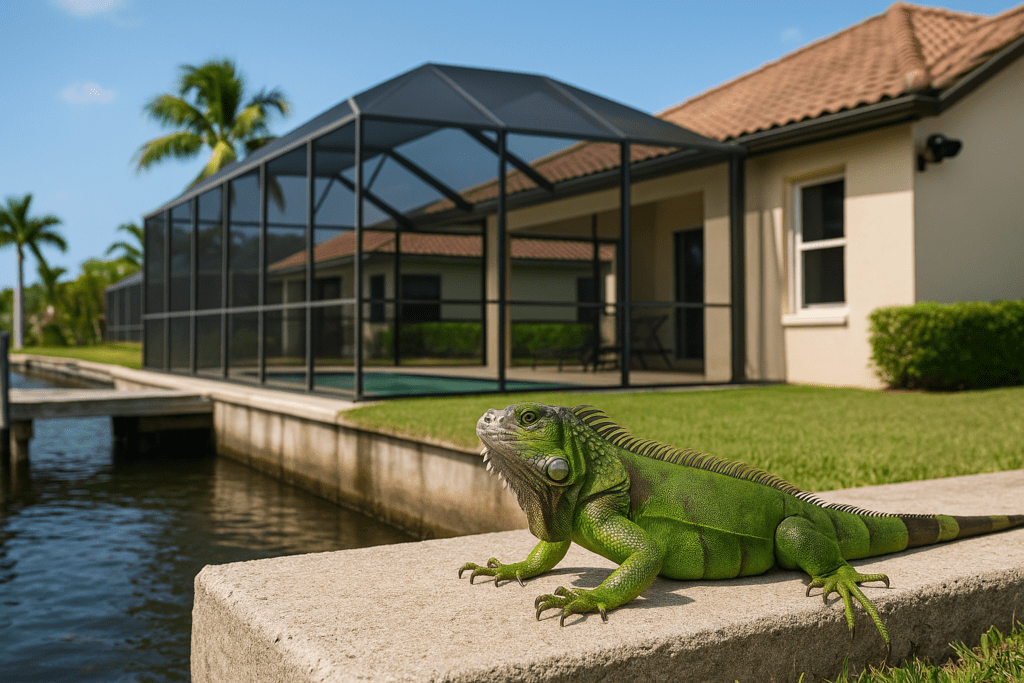
Strategically designing your landscape can create physical and visual barriers that discourage iguana presence:
- Elevate planting beds: Raised beds with smooth sides make it harder for iguanas to climb into garden areas.
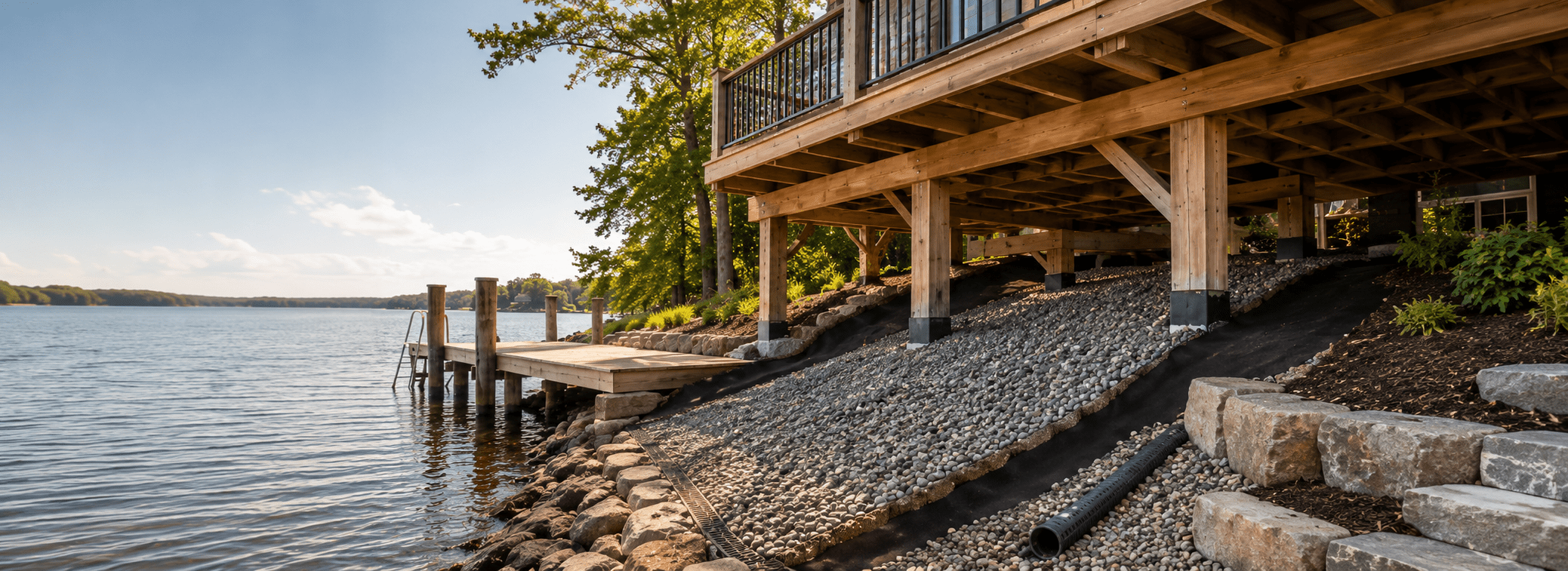
- Use barriers: Install fencing with small mesh sizes buried several inches underground to prevent burrowing.
- Clear debris and hiding spots: Remove thick ground cover, piles of wood, and dense shrubs where iguanas may hide or nest.
- Incorporate reflective surfaces: Shiny decorations or reflective mulch can startle reptiles and reduce their comfort zones.
- Limit water sources: Eliminate standing water or over-irrigation that attracts iguanas.
Humane Prevention and Control Practices
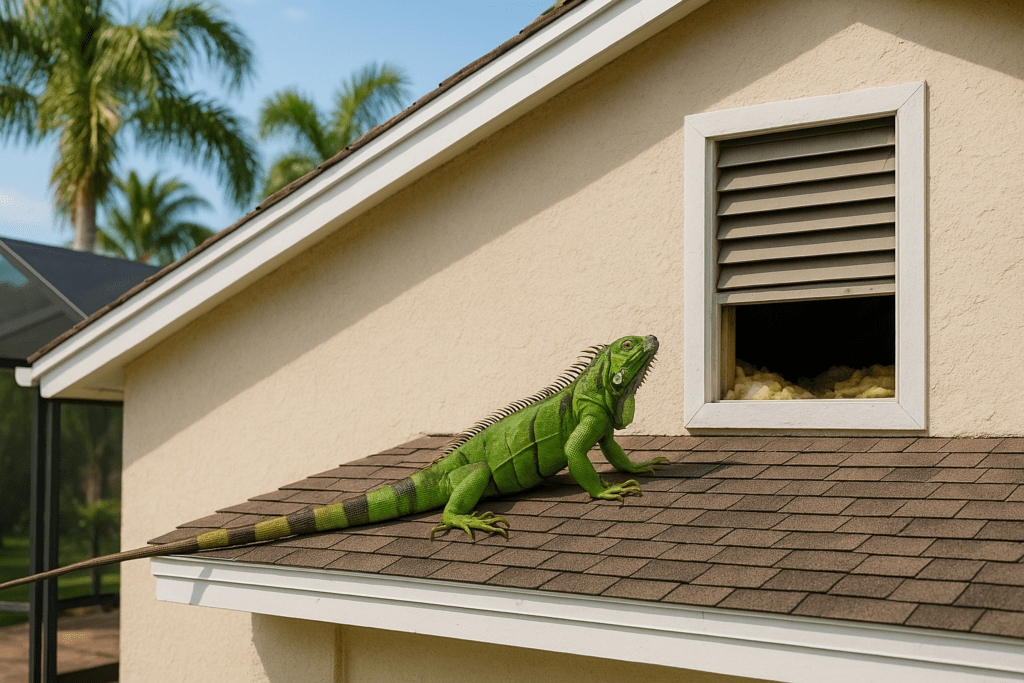
While landscaping adjustments are effective, iguanas may still appear. Humane control practices ensure safe coexistence and compliance with local wildlife regulations:
- Live trapping: Use humane traps designed to capture iguanas without injury. Place bait such as leafy greens or fruits away from human activity areas.
- Regular monitoring: Check traps frequently to minimize stress on captured animals.
- Relocation considerations: Follow South Florida wildlife laws regarding relocation and release. Never release iguanas into unsuitable habitats or outside regulated areas.
- Professional assistance: Contact licensed wildlife control experts for safe removal and advice.
Maintenance Tips to Support Iguana-Resistant Landscaping
Ongoing care helps maintain your garden’s resistance to iguana damage:
- Prune plants regularly to remove damaged or dead foliage that may attract iguanas.
- Remove fallen fruits or flowers promptly.
- Keep mulch layers thin to reduce burrowing opportunities.
- Inspect fencing and barriers periodically for gaps or wear.
Frequently Asked Questions About Iguana-Resistant Landscaping
Q: Are iguanas protected in South Florida?
A: Iguanas are considered non-native invasive reptiles, but humane handling and adherence to local regulations are essential when controlling their populations.
Q: Can I use pesticides to keep iguanas away?
A: Chemical repellents are generally ineffective and not recommended due to environmental and safety concerns.
Q: Will removing plants iguanas like completely solve the problem?
A: While reducing attractive plants helps, combining landscaping design and humane control methods offers the best results.
Q: How do I safely trap an iguana?
A: Use a humane cage trap with bait, check it frequently, and avoid handling reptiles without proper training.
Q: Should I attempt relocation myself?
A: Relocation should be done by professionals or with guidance from wildlife authorities to comply with regulations and protect ecosystems.
Conclusion: Protect Your South Florida Yard with Smart Landscaping and Expert Help
Designing an iguana-resistant landscape tailored to South Florida’s environment is a practical way to reduce damage while keeping your garden attractive. Combining thoughtful plant choices, strategic design, and humane prevention measures empowers homeowners to enjoy their outdoor spaces with fewer wildlife conflicts. For expert advice, safe removal, and ongoing support, reach out to SoFlo Iguana Pros at (561) 735-1975. Our local knowledge and humane approach help South Florida residents maintain beautiful, iguana-resistant landscapes year-round.