Moving into a new home in South Florida often means embracing the vibrant outdoors—and sometimes that includes encounters with local wildlife like iguanas. While these reptiles are fascinating, they can also cause damage to gardens, landscaping, and property. For new homeowners, understanding how to identify, inspect for, and humanely manage iguana presence is essential to protect your investment and maintain harmony with the environment.
Why Iguanas Are Common in South Florida
South Florida’s warm climate and lush vegetation create an ideal habitat for green iguanas, a species originally from Central and South America. Over time, they have established thriving populations across the region. Iguanas are primarily herbivores and are often spotted basking in the sun or foraging for plants, but their feeding habits can damage ornamental plants, fruit trees, and even irrigation systems.
Initial Inspection Tips for New Homeowners
Starting with a thorough inspection of your property is a smart first step in iguana management. When you move in, walk your yard and look for signs such as:
- Large, scaly tracks near soft soil or mulch
- Vegetation damage, including missing or chewed leaves and stems
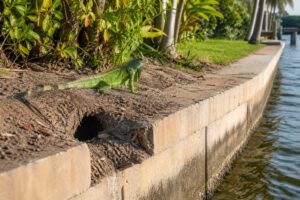
- Burrows or holes, which iguanas dig for nesting or shelter
- Fecal droppings, typically greenish and cylindrical
- Visible iguanas basking on walls, fences, or trees
Perform inspections during early morning or late afternoon when iguanas are most active. Documenting these signs helps you gauge the level of activity and plan your next steps.
Humane Trapping: Best Practices and Legal Considerations
Humane trapping is a preferred method for controlling iguana populations while respecting local wildlife laws. Before setting traps, familiarize yourself with South Florida regulations concerning iguana capture and relocation to ensure compliance. Here are key points to consider when trapping:
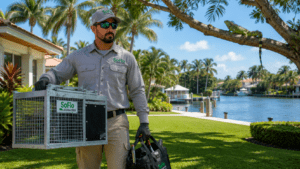
- Trap Type: Use cage traps designed specifically for iguanas, ensuring they are large enough to avoid injury.
- Bait Selection: Iguanas favor leafy greens like collard greens, kale, or fruit such as mango slices. Fresh, pungent bait works best to attract them.
- Trap Placement: Position traps near frequently visited feeding areas or burrows, placed on stable, shaded ground.
- Safety: Wear gloves and long sleeves when handling traps or iguanas to protect against scratches or bites.
- Monitoring: Check traps frequently, at least twice daily, to minimize stress to captured animals and prevent harm.
Preventive Measures to Deter Iguanas
Prevention is often the best defense. New homeowners can take several practical steps to make their property less attractive to iguanas:
- Secure Food Sources: Remove fallen fruit and avoid leaving pet food outside.
- Landscape Modification: Choose plants iguanas typically avoid, such as hibiscus or crotons, and trim dense vegetation to reduce hiding places.
- Barrier Installation: Use fencing or mesh around gardens and irrigation systems to block access.
- Burrow Filling: Fill in holes or burrows with soil or gravel to discourage nesting.
Safety Tips When Dealing with Iguanas
Iguanas are generally not aggressive but can defend themselves if threatened. For your safety and theirs, keep these guidelines in mind:
- Never approach or handle iguanas without proper protection.
- Avoid sudden movements that might startle them.
- Do not attempt to capture iguanas by hand.
- Use tools like catch poles or traps if professional removal is not immediately available.
Frequently Asked Questions (FAQ)
Are green iguanas harmful to humans?
Green iguanas are not venomous and usually avoid humans. However, they can bite or scratch if provoked, so caution is advised.
Is it legal to trap and relocate iguanas in South Florida?
Yes, but only under local wildlife regulations. Humane trapping and relocation must be done responsibly to comply with laws and protect native ecosystems.
Can iguanas damage my home or landscaping?
Yes, iguanas can cause damage by eating plants, digging burrows near foundations, and sometimes interfering with irrigation systems.
How can I make my yard less attractive to iguanas?
Remove food sources, modify landscaping with less palatable plants, and install barriers to reduce access to vulnerable areas.
When is the best time to trap iguanas?
Early morning and late afternoon are ideal since iguanas are most active and likely to be feeding during these times.
Conclusion: Expert Support for New Homeowners
Adjusting to a new home in South Florida includes embracing local wildlife challenges like iguanas. A careful inspection combined with humane practices can help you manage these reptiles effectively and legally. If you prefer professional assistance or want tailored advice, SoFlo Iguana Pros is ready to help. Serving the South Florida area, we provide expert, humane iguana removal and property inspections to protect your home and landscape. Call us at (561) 735-1975 to schedule an appointment or get answers to your questions about iguana control.