In South Florida, iguanas have become a common challenge for homeowners, especially those with lush yards and gardens. These reptiles can cause significant damage by digging, eating plants, and sometimes even damaging property. One popular solution is installing iguana fence barriers to help keep these critters out. But what exactly can fence barriers do, and what are their limitations? This article explores the practical role of fence barriers in iguana exclusion and provides useful advice for South Florida residents seeking humane and effective control.
How Iguana Fence Barriers Work
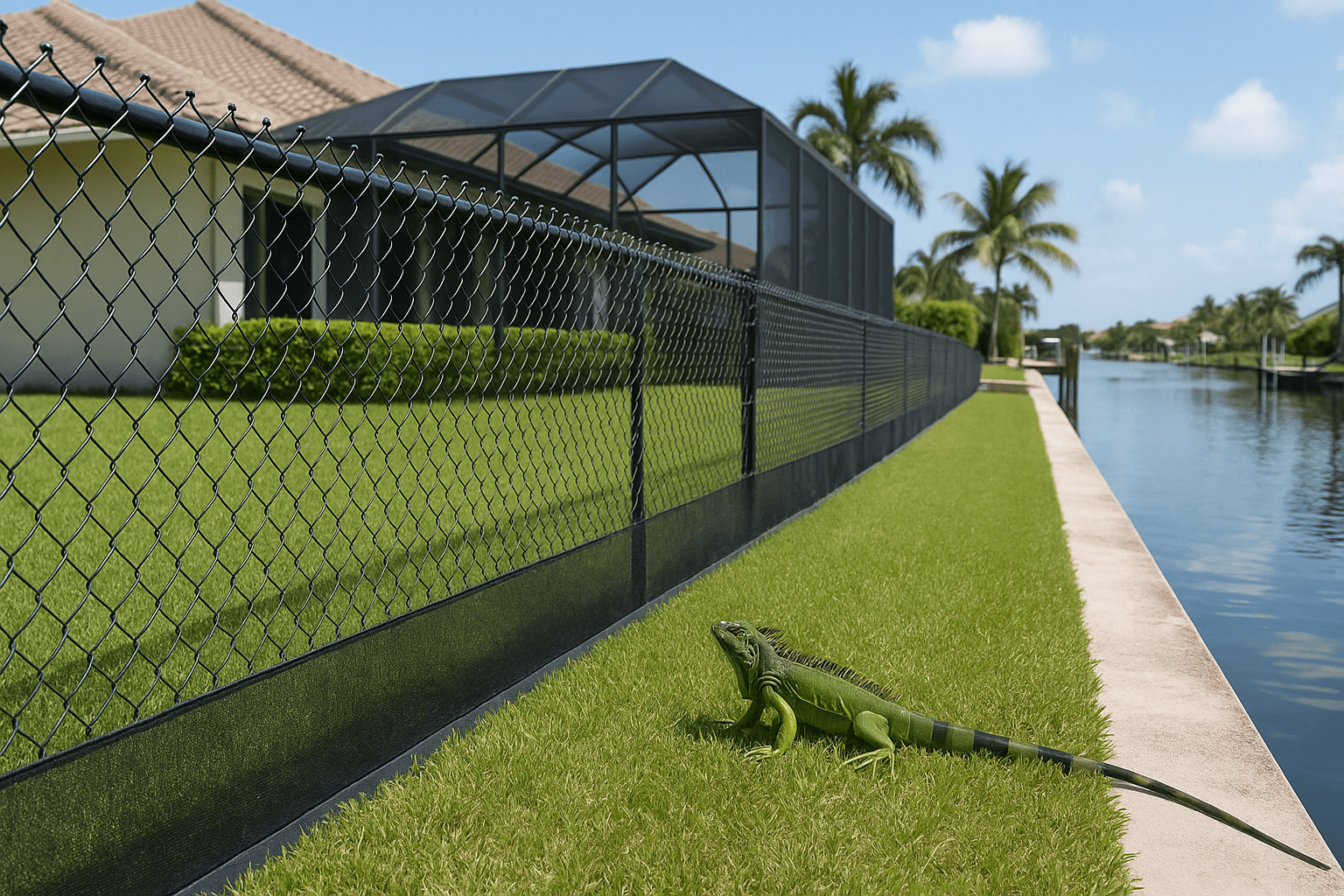
Iguana fence barriers are physical deterrents designed to prevent iguanas from entering certain areas of your yard. Typically made from materials like mesh, wire, or plastic fencing, these barriers are installed around gardens, pools, or entire property perimeters. The main idea is to create a boundary that iguanas cannot climb over or squeeze through.
Some common features of effective iguana fence barriers include:
- Height of at least 4 to 6 feet to discourage climbing
- Slippery or smooth surfaces on the top edge to prevent iguanas from gaining a grip
- Buried fencing at the base to stop digging underneath
- Small mesh size to block narrow gaps and prevent squeezing through
Proper installation is essential. Even the best materials won’t work if there are gaps or weak spots.
What Fence Barriers Cannot Do
While fence barriers can be a strong first line of defense, they have limitations that homeowners need to understand:
- Not 100% Iguana-Proof: Determined iguanas are excellent climbers and can sometimes overcome poorly designed fences.
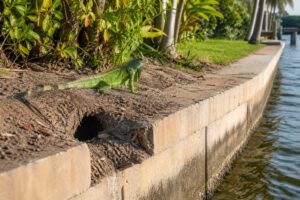
- Limited Against Digging: If the barrier isn’t buried or if soil erosion occurs, iguanas may dig underneath.
- Doesn’t Address Existing Infestations: Barriers help exclude new iguanas but won’t remove those already on your property.
- Maintenance Required: Sun damage, storms, or animal activity can degrade barriers over time, creating vulnerabilities.
Best Practices for Installing Iguana Fence Barriers
To maximize the effectiveness of your fence barrier, consider these installation tips tailored for South Florida’s iguana population:
- Choose Durable Materials: UV-resistant mesh or plastic fencing withstands sun exposure and humidity better.
- Ensure Sufficient Height: At least 5 feet high is recommended to prevent climbing.
- Incorporate a Slant or Overhang: Angling the top outward at 45 degrees or adding a smooth overhang can deter climbing.
- Bury the Fence: Dig a trench 6 to 12 inches deep and bury the bottom to block tunneling.
- Regular Inspections: Check the fence monthly for holes, loose sections, or damage, especially after storms.
Complementing Fence Barriers with Other Exclusion Methods
Fence barriers are most effective when used alongside other humane iguana control strategies. Combining tools helps reduce pressure on the fence and addresses iguanas already on the property.
- Proper Landscape Management: Remove food sources like fallen fruit and dense low shrubs that attract iguanas.
- Humane Trapping and Relocation: When necessary, live traps baited with fruits such as mango or banana can capture iguanas for removal. Always follow local regulations and handle iguanas humanely.
- Visual and Motion Deterrents: Motion-activated sprinklers or reflective surfaces may discourage iguanas from approaching fence lines.
Legal and Humane Considerations in Iguana Control
South Florida residents should be aware that iguanas are non-native invasive species, but local and state laws govern their handling. It’s important to:
- Check current regulations regarding trapping, relocating, or euthanizing iguanas.
- Use humane methods to minimize stress and injury to the animals.
- Never release iguanas into new areas, as this worsens ecological impacts.
Consulting professionals ensures compliance and maximizes safety for both people and wildlife.
FAQ: Common Questions About Iguana Fence Barriers
1. Can I install an iguana fence barrier myself?
Yes, many homeowners install barriers themselves. However, professional advice or installation can ensure the fence is properly designed and secured to prevent escapes.
2. How often should I inspect my fence barrier?
Inspect at least once a month and after heavy weather events to catch any damage or weaknesses early.
3. Will an iguana fence barrier keep other pests out?
Fence barriers designed for iguanas may also deter larger animals but are not typically effective against small rodents or insects.
4. What should I do if iguanas are already in my yard?
Fence barriers alone won’t remove existing iguanas. Consider humane trapping and removal, alongside habitat modification, and contact professionals experienced in iguana control.
5. Are fence barriers expensive?
Costs vary based on size, materials, and installation. Investing in quality materials and proper setup reduces long-term maintenance and replacement expenses.
Protect Your South Florida Yard with SoFlo Iguana Pros
Fence barriers can be a valuable component of iguana exclusion, but understanding their capabilities and limits is key. For tailored advice, professional installation, or humane iguana removal services in South Florida, contact SoFlo Iguana Pros at (561) 735-1975. Our local experts are ready to help you protect your yard with safe, effective, and regulation-compliant solutions.