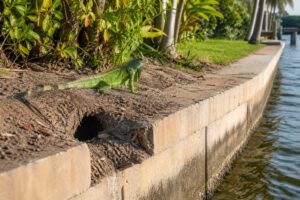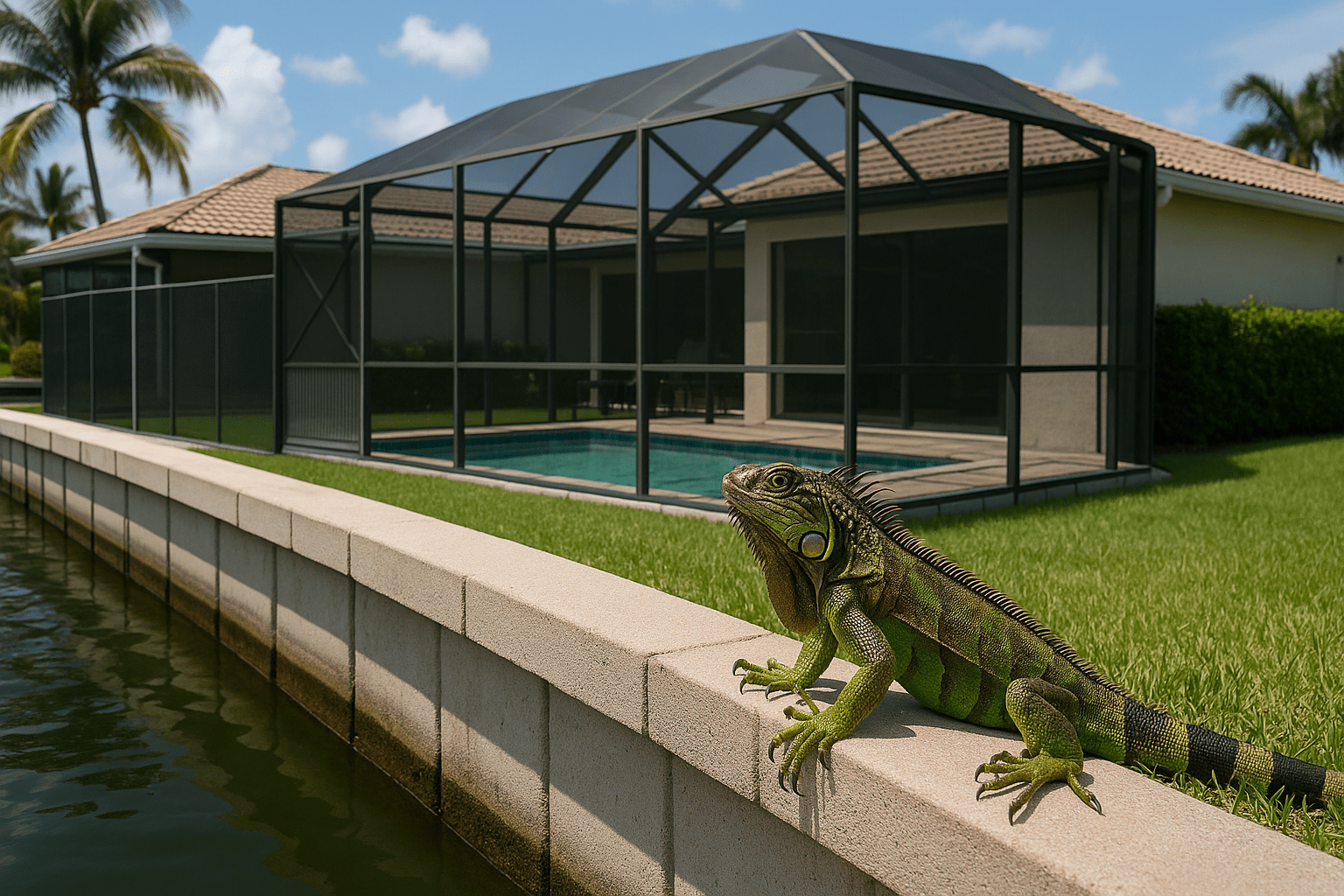
South Florida’s lush landscapes and inviting community lakes create perfect habitats for green iguanas. While these reptiles add a unique tropical touch, they can also pose challenges for HOA boards responsible for maintaining communal areas. Managing iguana populations humanely and effectively requires thoughtful planning—especially around lakes where they thrive. This article offers practical guidance for HOA boards seeking to balance community aesthetics, safety, and environmental stewardship.
Understanding Iguanas in HOA Communities
Green iguanas are not native but have become common throughout South Florida. They gravitate toward water sources such as community lakes, where vegetation and warm conditions support their survival. For HOAs, iguanas often cause damage to landscaping, sprinkler systems, and sometimes create safety concerns for residents.
Recognizing the behavior and habitat preferences of iguanas is the first step in effective control. Iguanas are primarily herbivores, active during the day, and tend to seek shelter in dense shrubs, tree roots, and under docks. These insights help boards anticipate where iguanas are most likely to congregate and plan targeted interventions.
Why HOA Boards Need a Proactive Iguana Control Plan
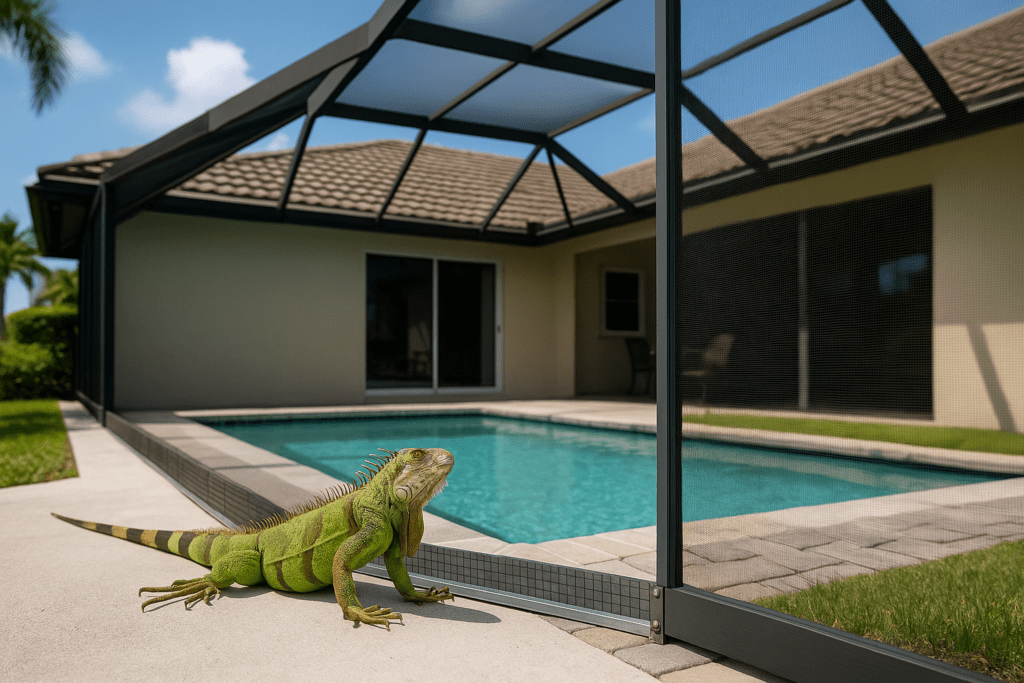
Waiting until iguana activity becomes problematic can lead to costly repairs and resident complaints. Proactive control reduces damage and helps maintain the community’s curb appeal. Key reasons to develop a plan include:
- Protecting community landscaping and infrastructure from burrowing and feeding damage
- Ensuring safety around lakes and common areas by managing iguana populations humanely
- Complying with South Florida wildlife regulations to avoid fines and legal issues
- Maintaining resident satisfaction through visible, effective action
Humane Trapping and Removal: Best Practices for HOAs
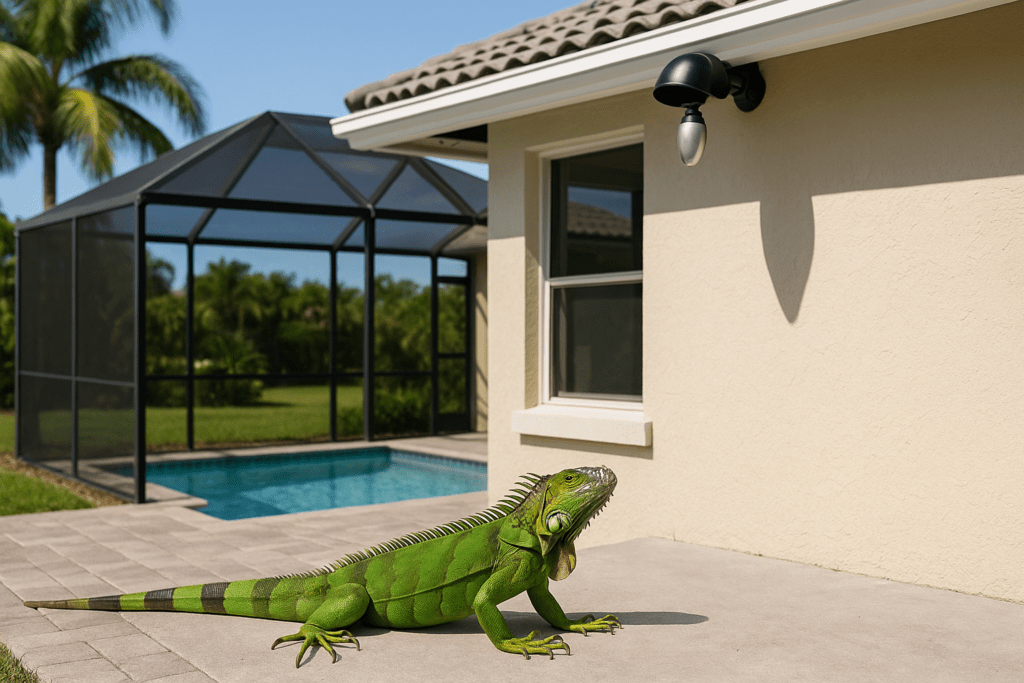
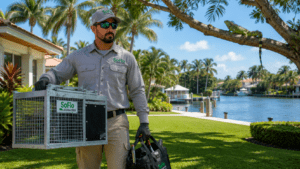
Humane trapping is the most responsible approach for iguana control in HOA settings. Professional wildlife experts use specialized traps designed to minimize stress and injury to the animals. Here are important guidelines boards should follow:
- Choose the right trap size and placement: Traps should be large enough to safely enclose adult iguanas and placed near favored feeding or basking spots.
- Use appropriate bait: Fresh fruits like mango, papaya, or leafy greens attract iguanas. Rotating bait types can improve success.
- Check traps frequently: Regular monitoring prevents prolonged confinement, ensuring animal welfare and compliance with state regulations.
- Engage licensed professionals: Wildlife control experts understand the legal requirements and humane protocols for capture and relocation.
Maintenance Strategies to Discourage Iguanas
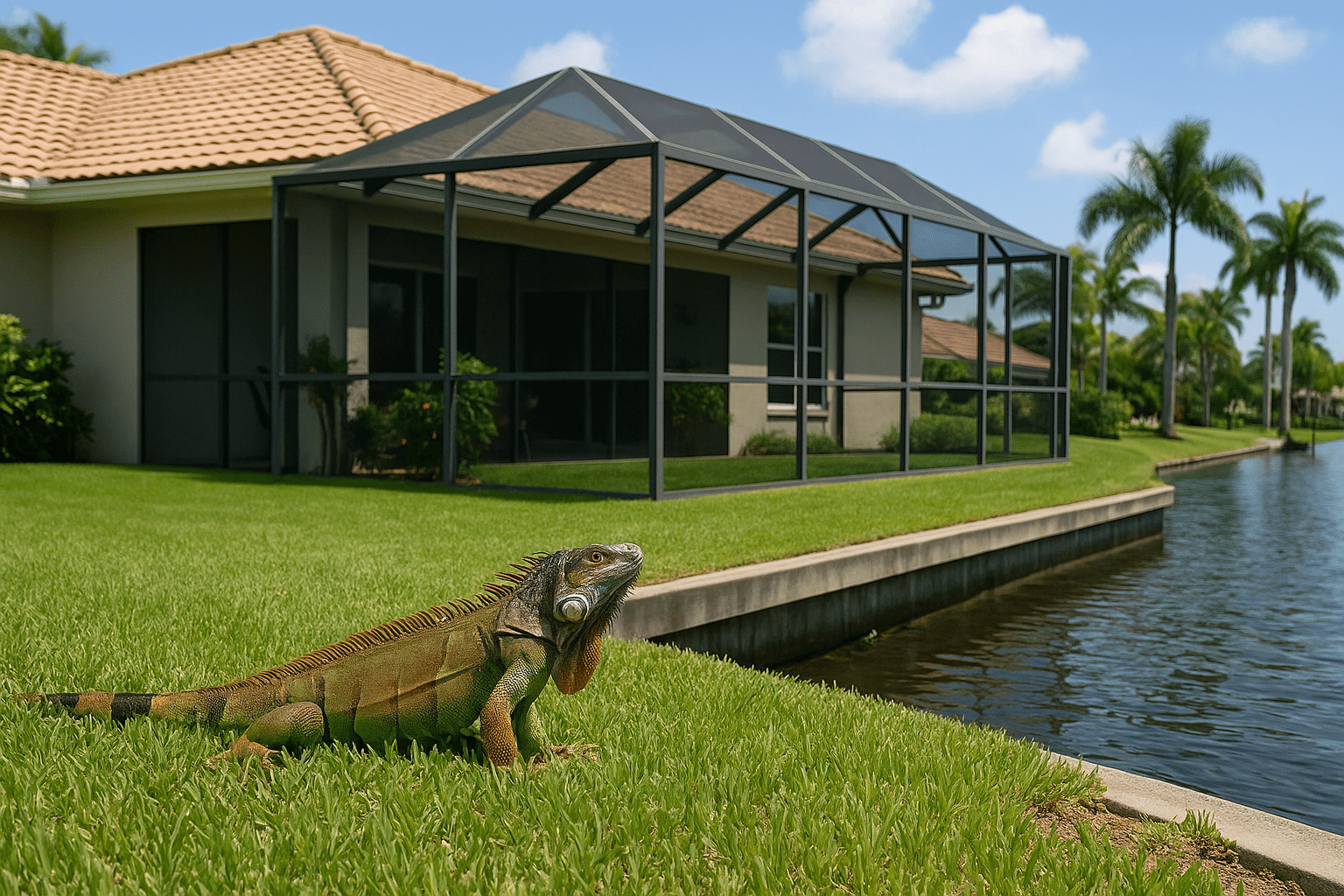
Beyond trapping, HOAs can implement maintenance practices that make communal areas less inviting to iguanas:
- Vegetation management: Trim dense shrubs and remove invasive plants that provide cover.
- Lake edge upkeep: Maintain clean, open banks to reduce ideal hiding spots.
- Structural repairs: Fix irrigation leaks and seal burrows to deter digging.
- Resident education: Encourage residents not to feed iguanas, which can increase population growth.
Legal and Safety Considerations for HOA Iguana Control
South Florida’s wildlife regulations require humane treatment and proper handling of green iguanas. HOA boards must ensure compliance by working with licensed wildlife control providers. Additionally, safety precautions during trapping and removal include:
- Wearing protective gloves and clothing to avoid scratches and bites
- Using caution around water bodies to prevent slips or falls
- Informing residents about scheduled control activities to minimize disturbance
Ignoring legal and safety standards can result in penalties and risk to both residents and wildlife.
FAQ: Common Questions About Iguana Control for HOAs
Q: Are iguanas dangerous to residents?
A: Iguanas are generally not aggressive but can bite or scratch if handled improperly. They also may carry salmonella, so it’s best to avoid direct contact.
Q: Can iguanas be relocated once trapped?
A: Relocation is possible but must follow state guidelines. Licensed experts ensure humane transport and release in suitable habitats.
Q: How often should HOA common areas be inspected for iguana activity?
A: Regular inspections—at least monthly—during warm months help catch early signs of infestation before problems escalate.
Q: Is trapping the only control method?
A: Trapping is the most effective humane method. Complementary strategies like habitat modification and resident education enhance long-term success.
Q: Can residents help with iguana control?
A: Residents should avoid feeding iguanas and report sightings to the HOA. Direct handling by untrained individuals is discouraged.
Conclusion: Partner with SoFlo Iguana Pros for Effective HOA Solutions
For South Florida HOAs managing iguana populations around community lakes, a thoughtful approach combining humane trapping, ongoing maintenance, and legal compliance is essential. SoFlo Iguana Pros specializes in tailored wildlife control plans that respect local ecosystems and HOA needs. To protect your community’s landscapes and ensure resident satisfaction, contact SoFlo Iguana Pros at (561) 735-1975. Our experienced team is ready to provide professional iguana control services throughout South Florida.