In South Florida, the presence of iguanas is a common challenge for many homeowners. One of the most damaging behaviors of these reptiles is burrow digging, which can undermine landscaping, weaken structures, and create safety hazards. While filling iguana burrows might seem like a straightforward solution, the timing and thoroughness of inspection play critical roles in ensuring long-term success. This post explains why proper burrow filling requires more than just patching holes and offers practical tips for property owners looking to prevent iguana damage effectively.
Understanding Iguana Burrow Behavior
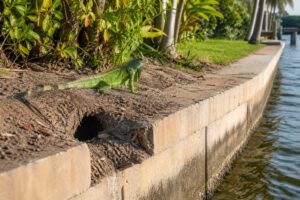
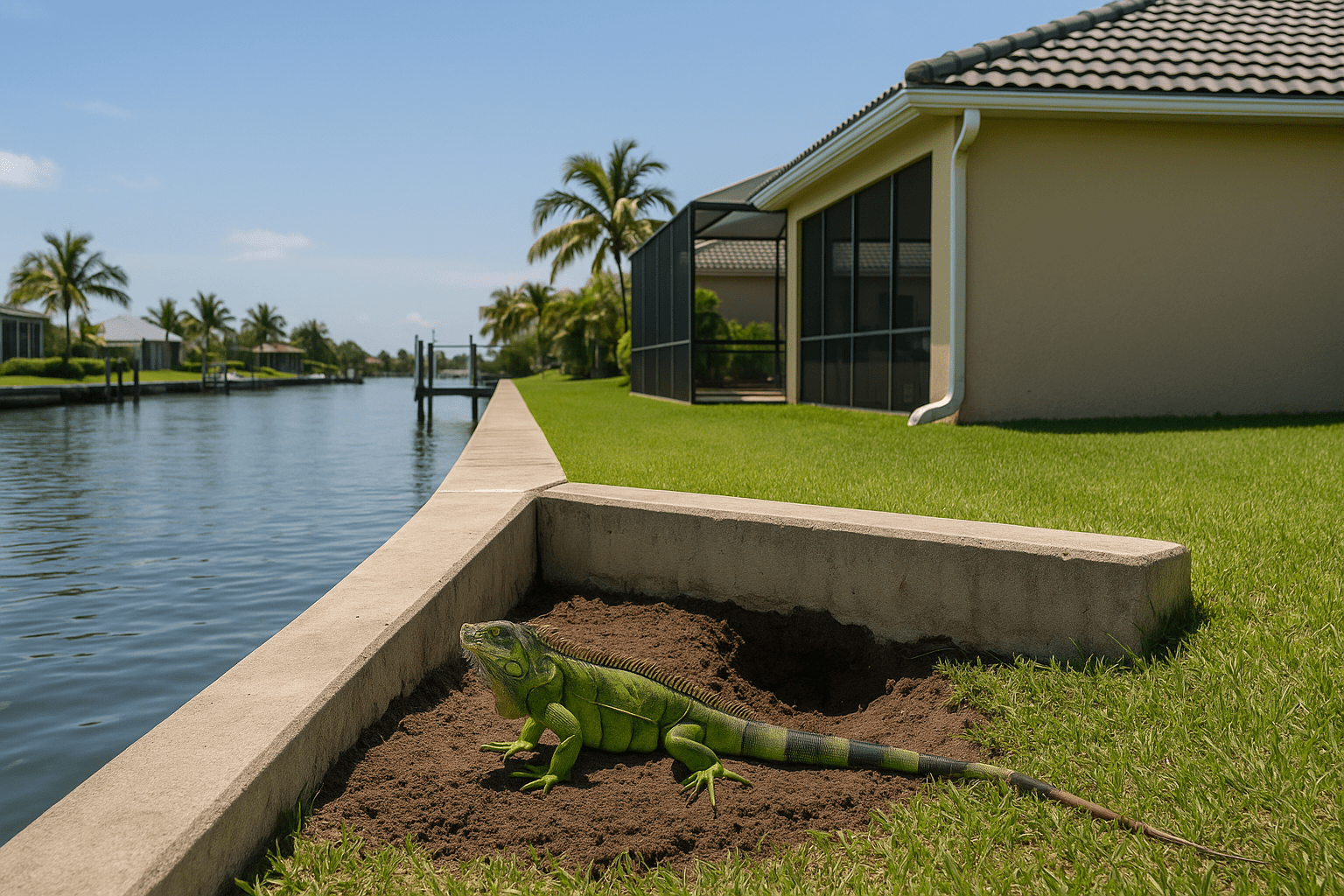
Before addressing burrow filling, it’s important to understand how and why iguanas dig burrows. In South Florida’s warm climate, iguanas create burrows primarily for nesting and shelter. These burrows can be quite extensive and are usually dug in soft soil near foundations, retaining walls, or landscaped areas.
Because iguanas are cold-blooded, they seek burrows for temperature regulation and protection from predators. Recognizing that these burrows serve essential purposes for iguanas helps homeowners appreciate the need for careful, humane control measures.
The Importance of Thorough Burrow Inspection
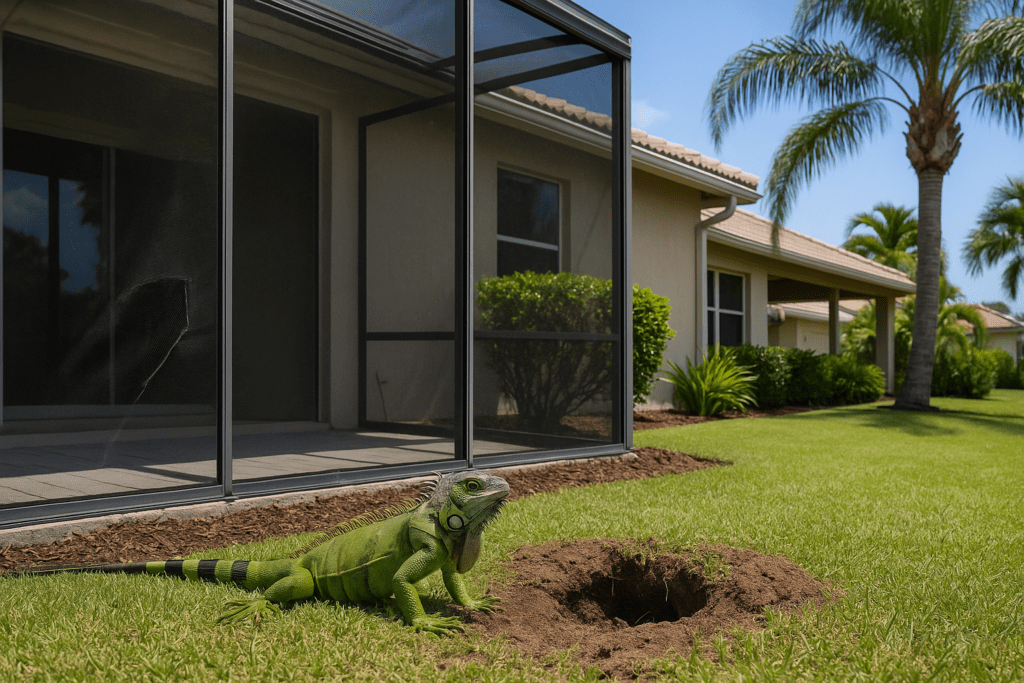
Jumping straight to filling burrows without proper inspection can backfire. A detailed inspection helps identify active versus inactive burrows and any associated iguana activity nearby.
Key steps during inspection include:
- Checking for fresh tracks or droppings near burrows
- Observing iguana presence during peak activity times (early morning or late afternoon)
- Probing burrows gently to detect occupancy without harming animals
- Assessing surrounding landscaping or structural vulnerabilities
Accurate inspection ensures that the burrow filling process targets the right locations and minimizes unnecessary disturbance.
Timing Your Burrow Filling for Maximum Effectiveness
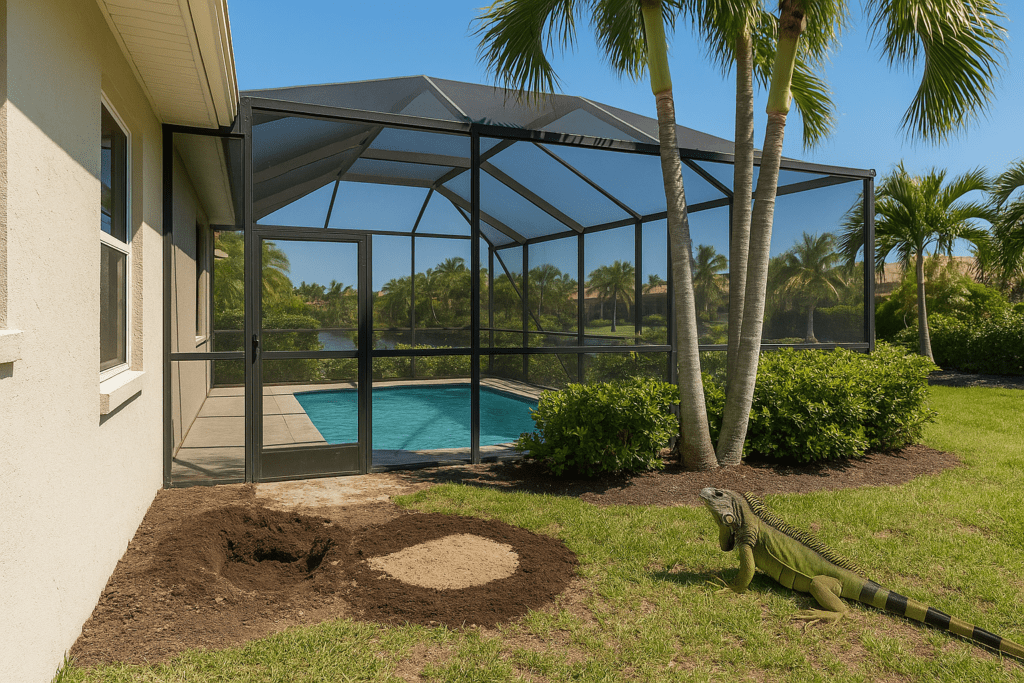
Timing is crucial when filling iguana burrows. Filling a burrow while it is actively in use can lead to iguanas digging new tunnels nearby, causing further property damage. The best time to fill burrows is during the cooler months when iguanas are less active or when they have vacated their nests.
In South Florida, this typically means late fall through early spring. Monitoring iguana activity over several days can help determine when a burrow is inactive and safe to fill.
Proper Techniques for Filling Iguana Burrows
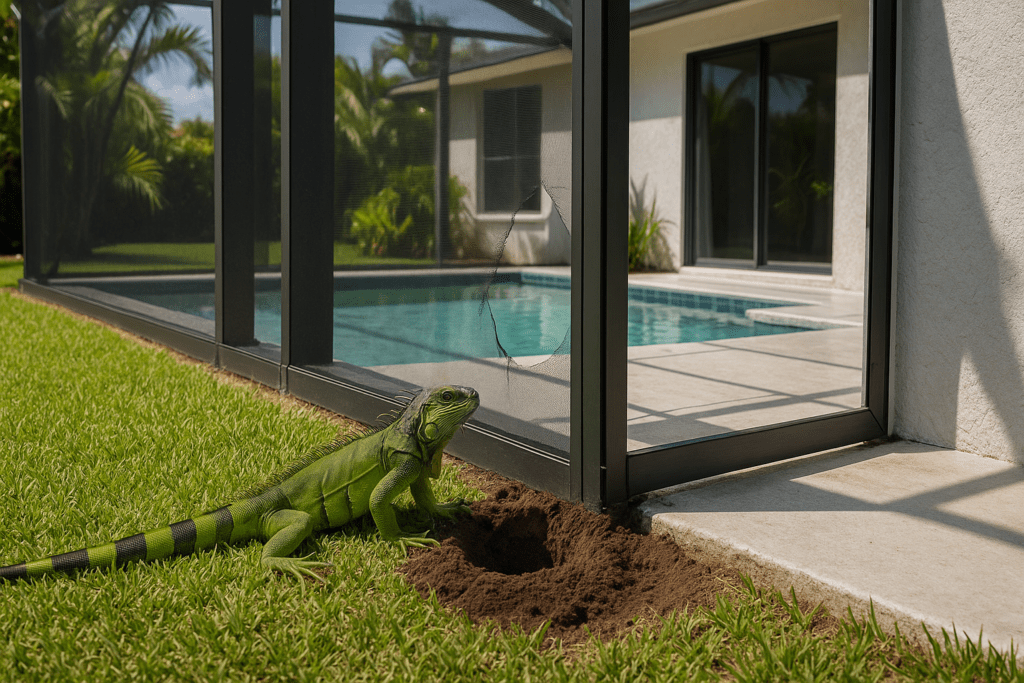
Once a burrow has been inspected and determined inactive, filling should be done carefully to prevent re-digging and maintain soil stability.
Recommended materials and steps include:
- Use a mixture of compacted soil and gravel to fill the burrow thoroughly
- Compact the fill material in layers to avoid settling
- Restore the surface with native soil and reapply mulch or sod if needed
- Consider installing barriers or deterrents around vulnerable areas
Filling burrows improperly with loose dirt or only surface patching often results in the iguanas returning and reopening tunnels.
Preventing Future Burrows and Damage
Burrow filling is only part of a comprehensive iguana damage prevention strategy. Homeowners should also consider:
- Maintaining regular property inspections to catch new burrows early
- Limiting easy access by trimming dense vegetation and sealing potential entry points
- Using humane deterrents or professional trapping consistent with South Florida wildlife regulations
- Protecting landscaping with physical barriers or repellent plants that discourage iguana activity
Combining these approaches helps reduce the likelihood of repeated burrow digging and landscape damage.
Legal and Humane Considerations in Iguana Control
In South Florida, iguanas are classified as invasive, but humane handling and compliance with local wildlife laws remain vital. Improper trapping, relocation, or burrow filling can cause unnecessary harm or legal issues.
Professional wildlife control companies like SoFlo Iguana Pros follow all regulations to ensure that removal and burrow management are done responsibly and effectively. Homeowners should avoid DIY methods that may violate local laws or create safety risks.
FAQ: Common Questions About Iguana Burrow Filling
Q: How do I know if a burrow is active or abandoned?
Look for fresh tracks, droppings, and observe iguana behavior near the burrow over several days. Active burrows often show signs of recent digging or iguana visits.
Q: Can I fill burrows myself?
Yes, but only after confirming the burrow is inactive. Improper filling can lead to more damage, so following proper techniques or consulting professionals is recommended.
Q: What if iguanas start digging new burrows after filling?
This often indicates that the timing or filling method was inadequate. Combining filling with deterrents and habitat modification helps reduce repeat burrowing.
Q: Are there any chemical repellents for iguanas?
Some repellents exist, but their effectiveness varies. Physical exclusion and habitat management are generally more reliable long-term solutions.
Q: Is it legal to trap and relocate iguanas in South Florida?
Relocation is regulated and often discouraged because iguanas are invasive. Trapping and removal should be handled by licensed professionals familiar with local laws.
Protect Your South Florida Property with SoFlo Iguana Pros
Effectively managing iguana burrows requires expert timing, inspection, and filling techniques tailored to South Florida’s unique environment. At SoFlo Iguana Pros, we specialize in humane, professional iguana control and damage prevention. If you are dealing with iguana burrows on your property, don’t wait until the damage worsens. Call us today at (561) 735-1975 for a thorough inspection and customized plan to protect your home and landscape.