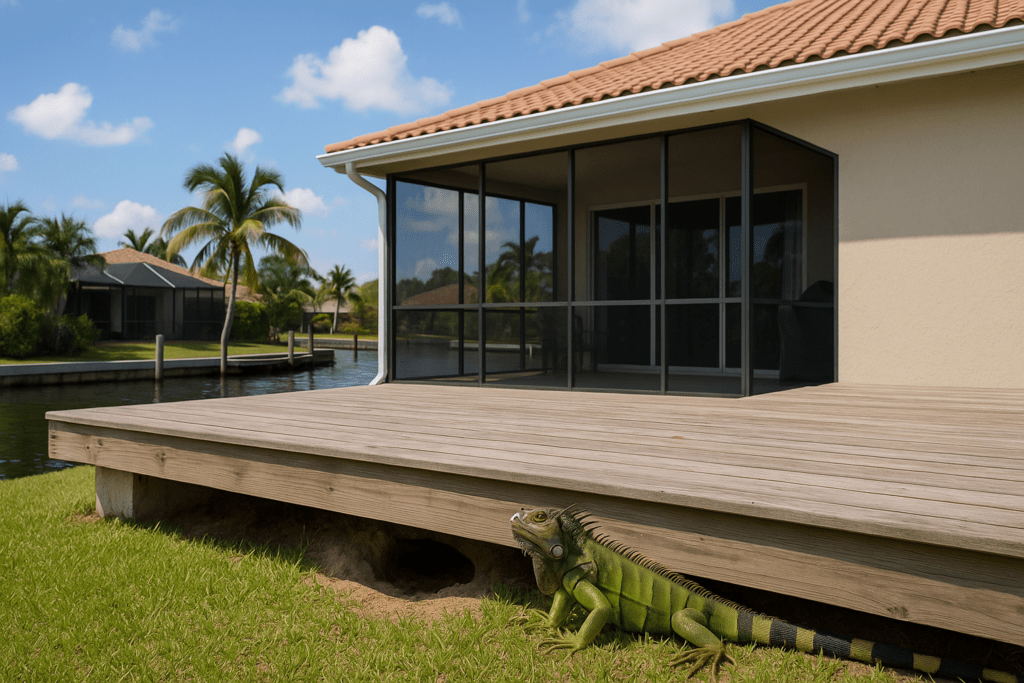
Living near South Florida’s scenic canals offers many perks, but it also means sharing your waterfront with some persistent neighbors—green iguanas. These reptiles are common around canal banks, where they find food, shelter, and warmth. Understanding their behavior and how to handle their presence is crucial for waterfront property owners who want to protect their landscaping and property without causing harm to the animals.
Why Iguanas Are Drawn to Canal Areas
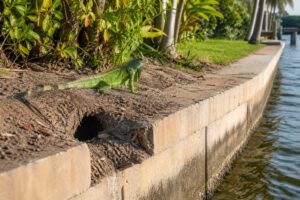
Canals provide an ideal habitat for green iguanas in South Florida. The combination of fresh water, dense vegetation, and ample sunlight creates a perfect environment for them to thrive. Iguanas are herbivores, feeding on leaves, flowers, and fruits, which are often abundant along canal banks.
Additionally, canals offer safe hiding spots from predators and cool water sources during hot days. This natural attraction can lead to increased iguana activity around waterfront properties, which may result in damage to gardens, erosion from burrowing, and occasional disturbances.
Common Signs of Iguana Presence Near Your Canal
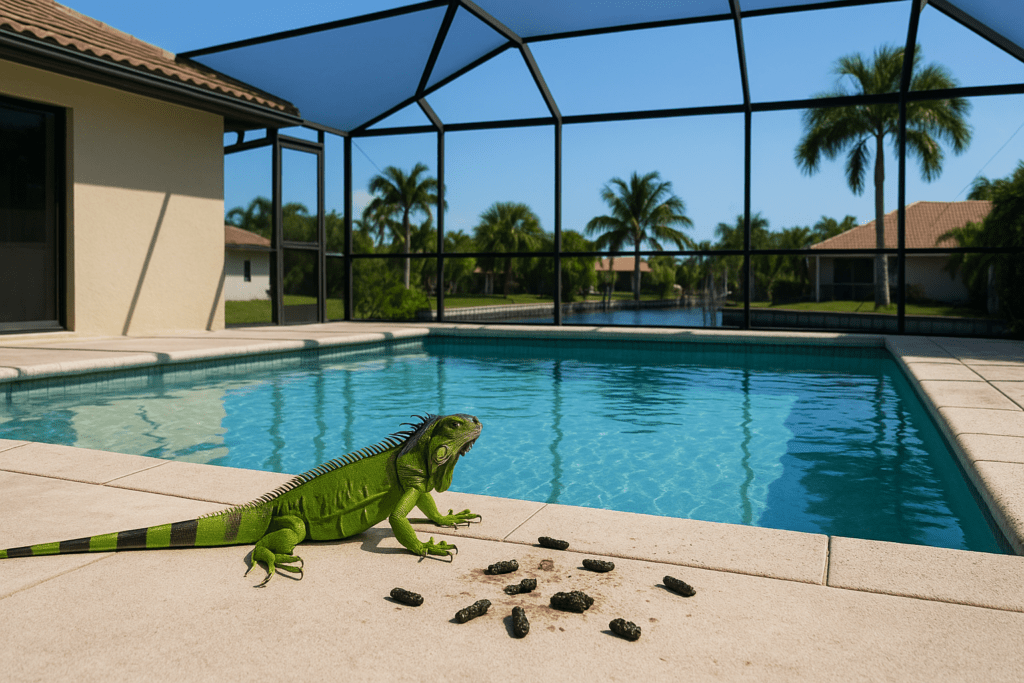
Waterfront homeowners should be aware of the typical signs that iguanas are frequenting their property:
- Chewed or damaged landscaping plants and trees
- Burrows or holes near canal banks, which can undermine soil stability
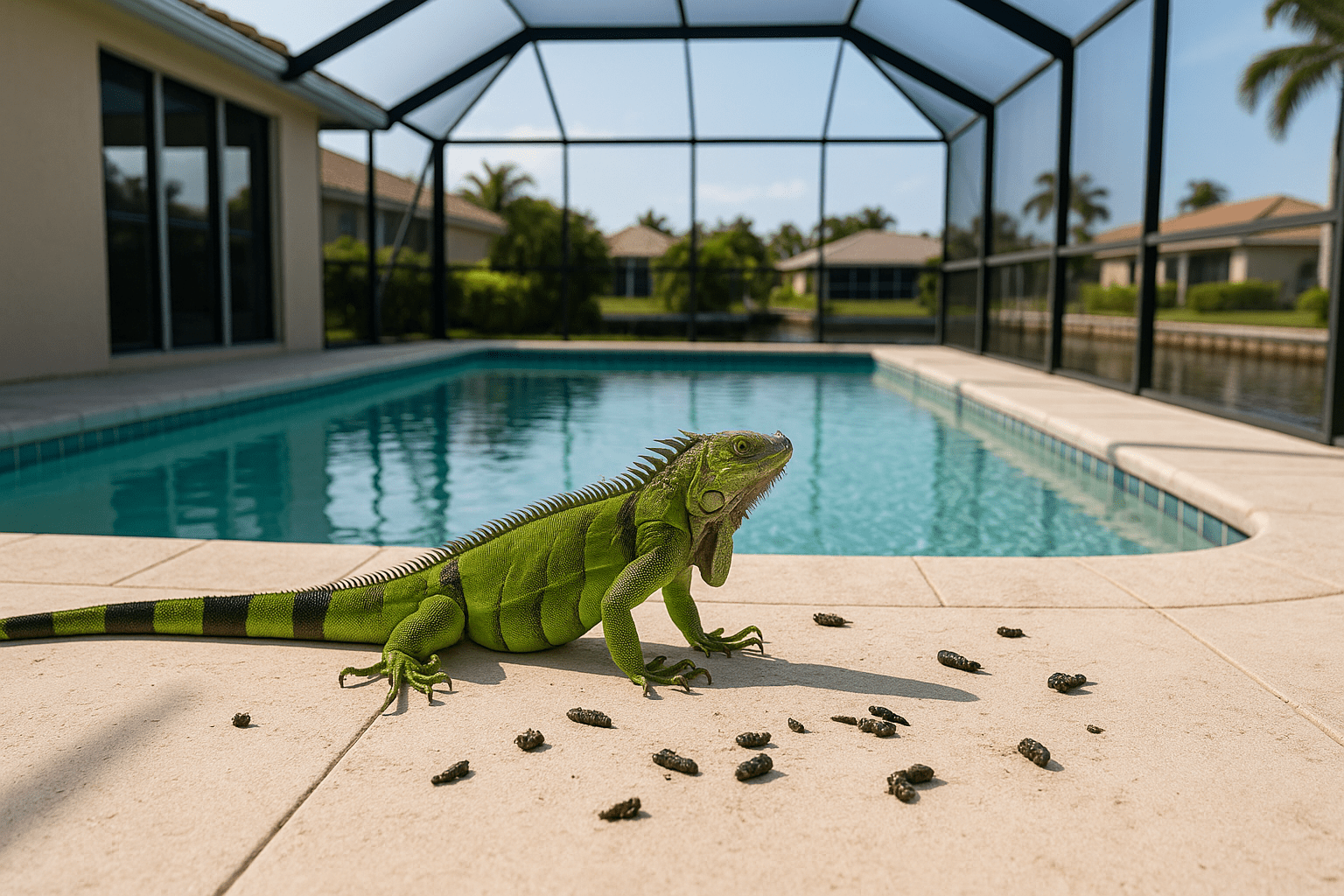
- Tracks or droppings along walkways or garden beds
- Spotted iguanas basking on docks, rocks, or fences
- Sudden unexplained plant damage during warmer months
Recognizing these signs early helps you take appropriate action before more significant issues develop.
Humane and Legal Considerations for Iguana Control
In South Florida, iguanas are considered invasive, but they are protected under certain wildlife regulations. It’s important to follow legal guidelines when managing iguana populations to ensure humane treatment and avoid penalties.
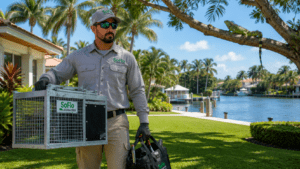
Removing or trapping iguanas requires careful attention to local laws. Many counties allow humane trapping but restrict relocating iguanas to prevent ecological imbalance and the spread of invasive species. Professionals trained in wildlife control understand these rules and use approved methods that prioritize safety and respect for the animals.
Effective Iguana Trapping and Removal Near Canals

Setting up traps near canals demands strategic placement and bait selection tailored to iguana behavior. Here are some expert tips to improve your chances of success:
- Trap Placement: Position traps near known iguana pathways, such as along canal edges, near burrows, or close to favorite basking spots.
- Bait Selection: Iguanas prefer leafy greens, fruits like mango or papaya, and vegetables such as squash. Using fresh, enticing bait increases trap effectiveness.
- Trap Type: Use live traps designed for reptiles, ensuring they are large enough to safely contain iguanas without injury.
- Regular Monitoring: Check traps frequently to minimize stress on captured animals and comply with humane handling standards.
- Safety Precautions: Wear gloves and protective clothing during handling to avoid scratches or bites.
Because canal areas often have tricky terrain and water hazards, professional assistance is often the safest and most effective route.
Preventing Iguanas from Damaging Your Waterfront Property
Beyond removal, prevention plays a key role in minimizing iguana-related issues. Consider these strategies to discourage iguanas from settling near your canal property:
- Remove or reduce dense vegetation close to the canal’s edge that provides shelter
- Use physical barriers such as fencing or mesh to protect vulnerable plants
- Limit food sources by securing compost bins and avoiding outdoor feeding of pets
- Maintain your property regularly to reduce burrowing opportunities
- Plant iguana-resistant species like hibiscus or croton
While prevention won’t eliminate iguanas entirely, it helps reduce their impact and discourages repeated visits.
Frequently Asked Questions About Iguanas and Canal Waterfronts
Q: Are green iguanas dangerous to humans?
A: Generally, iguanas are not aggressive and pose little threat if left alone. However, they can bite or scratch if provoked, so it’s best to avoid direct contact.
Q: Can I relocate iguanas caught near my canal?
A: South Florida regulations often prohibit relocating iguanas due to environmental concerns. Consult local wildlife authorities or professionals for guidance.
Q: How often should I check iguana traps?
A: Traps should be checked daily to ensure humane treatment and to prevent captured iguanas from distress or injury.
Q: Are iguana burrows harmful to canal banks?
A: Yes, burrowing can destabilize soil and contribute to erosion, which is problematic for waterfront property integrity.
Q: What is the best time of year to trap iguanas near canals?
A: Iguanas are more active during warmer months, typically spring through fall, making this the optimal time for trapping efforts.
Conclusion: Partner with SoFlo Iguana Pros for Safe Waterfront Wildlife Management
Managing iguana activity around South Florida canals requires a careful balance of effective control, legal compliance, and humane treatment. Waterfront property owners benefit from expert assistance to protect their landscapes and maintain the natural beauty of their surroundings.
SoFlo Iguana Pros specializes in humane iguana trapping and removal tailored to the unique challenges of canal-front properties. If you’re experiencing iguana problems or want to safeguard your waterfront home, call us at (561) 735-1975. We’re proud to serve the South Florida community with trusted, responsible wildlife solutions.