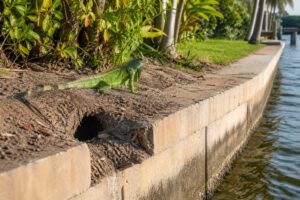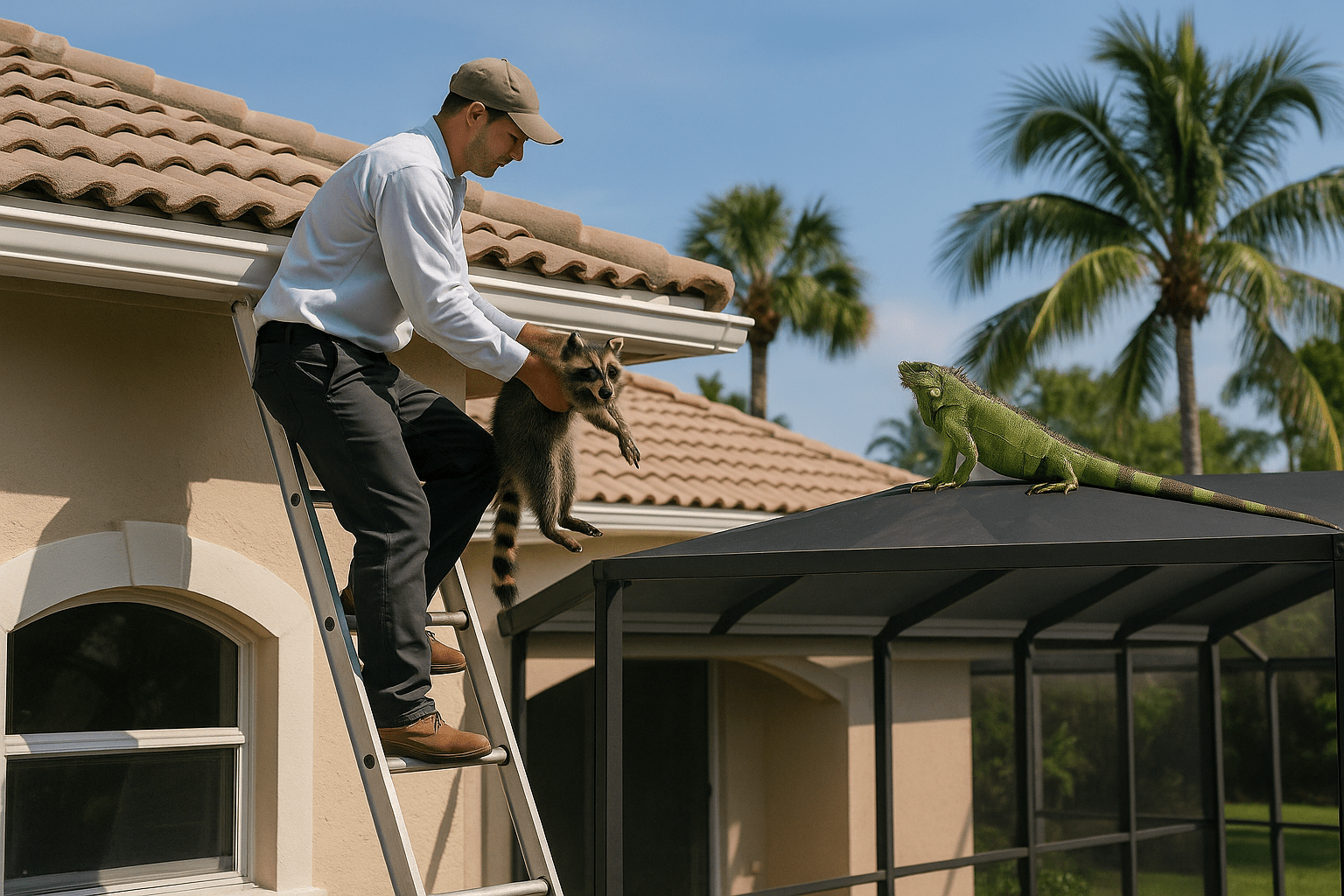
In South Florida, iguanas are a common sight, often seen basking in the sun or darting through trees. While these reptiles are part of our local ecosystem, they can become a nuisance when they use trees and palms as convenient bridges to access roofs and property. This can lead to roof damage, clogged gutters, and unwanted iguana encounters around your home. Understanding how to limit their access by managing trees and palms is a key step to protecting your property.
Why Do Iguanas Use Trees and Palms as Roof Bridges?
Iguanas are excellent climbers with a preference for high vantage points. Trees and palms near homes provide them with easy routes to roofs where they feel safe and can bask under the sun. Roof surfaces often offer warmth and shelter, making them ideal resting spots. When tree branches extend close or over your roof, iguanas see a natural pathway to your property.
The Importance of Tree Trimming to Block Iguana Access
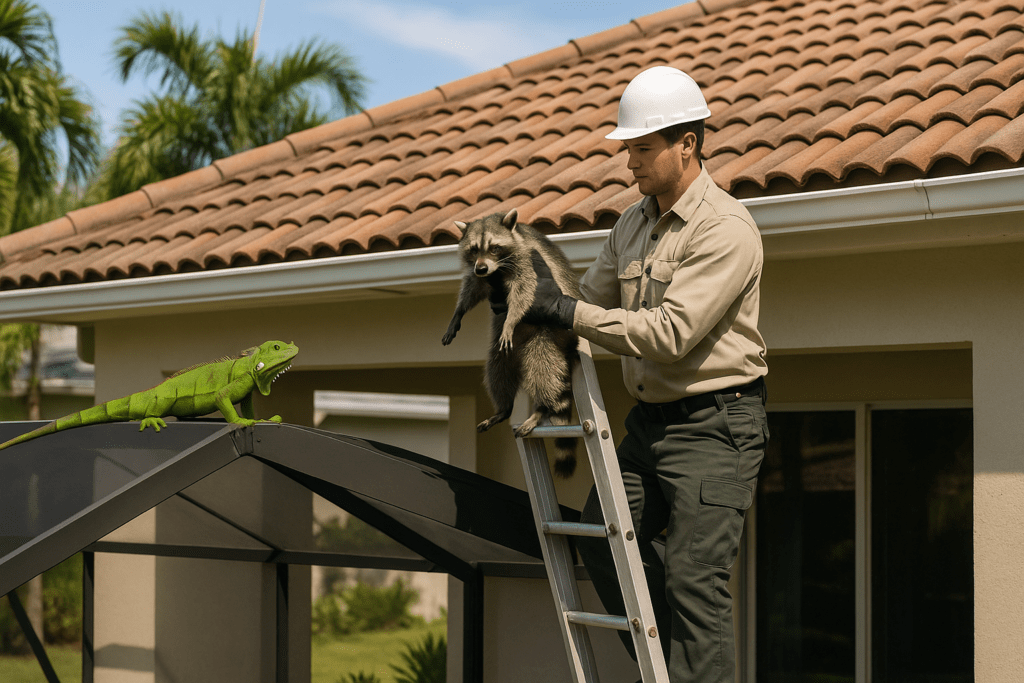
One of the most effective ways to discourage iguanas from reaching your roof is regular and strategic tree trimming. Here’s why and how:
- Remove Overhanging Branches: Branches extending within 3 to 5 feet of the roof provide iguanas with an easy jump. Trimming these back creates a gap that iguanas are less likely to cross.
- Trim Palms Cautiously: Palms are favorite climbing spots for iguanas. Removing dead fronds and lowering the canopy height reduces their climbing footholds.
- Maintain Clear Zones: Keep the area around your roof free from dense foliage that could serve as cover or launching points.
Regular pruning not only helps prevent iguana access but also improves overall tree health and safety.
Additional Physical Barriers for Roof Protection
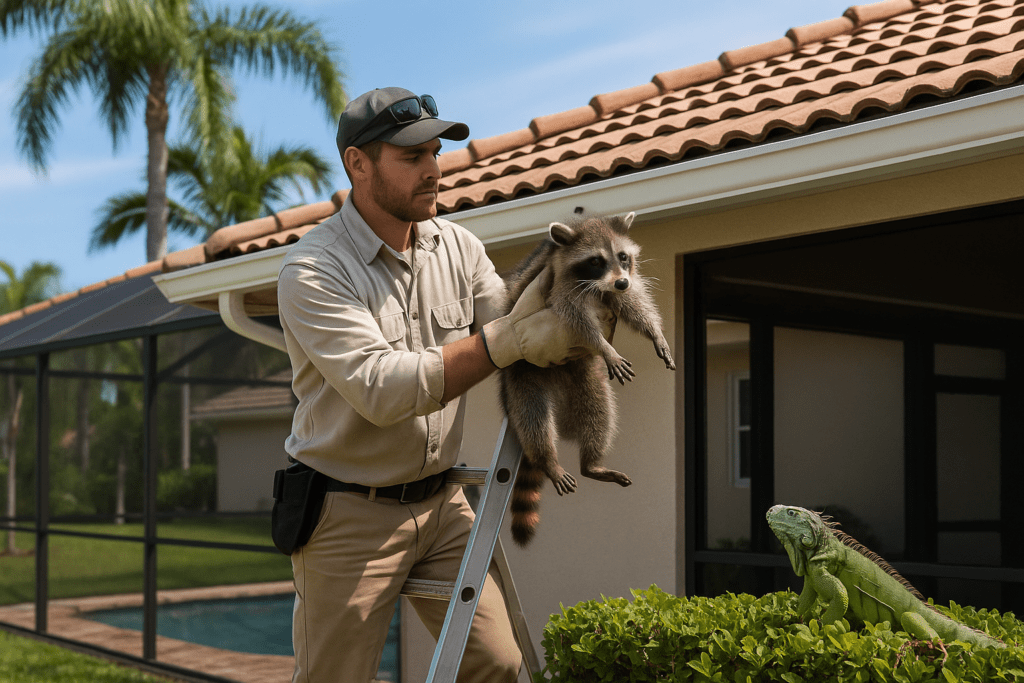
Besides trimming, consider installing physical deterrents to make roof access less appealing or possible for iguanas:
- Mesh screens around vents or eaves to block entry points.
- Roof edge guards or smooth coverings on gutters to prevent gripping.
- Prickly plant borders or gravel barriers near tree bases to discourage climbing.
These measures combined with tree maintenance form a comprehensive defense.
Humane Trapping and Removal: What South Florida Homeowners Should Know
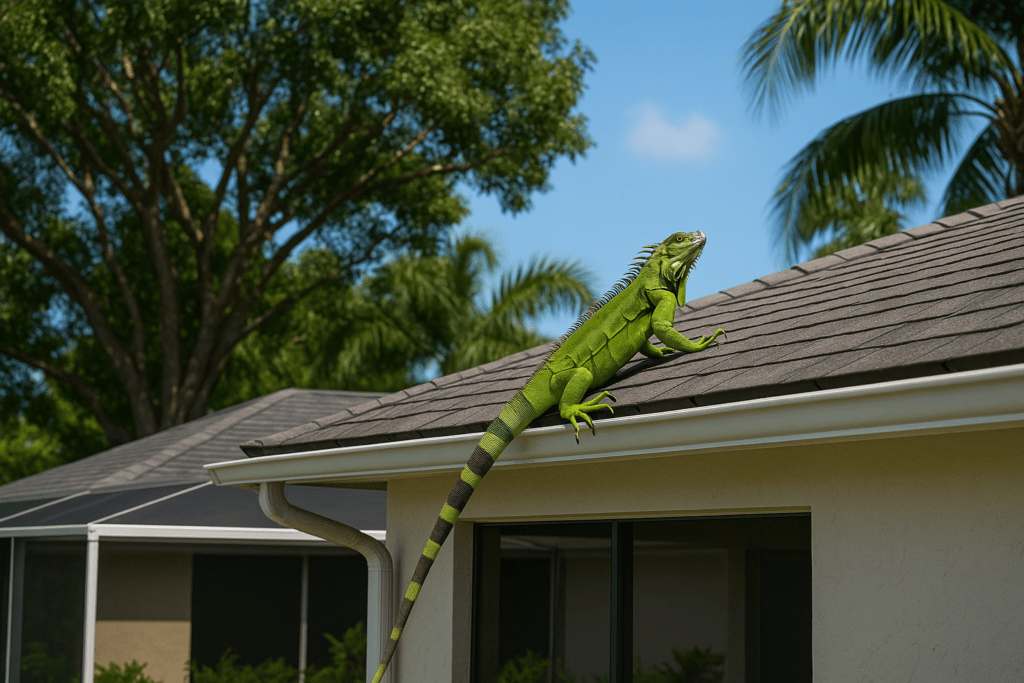
If iguanas have already established a presence on your roof or property, humane removal might be necessary. Keep in mind:
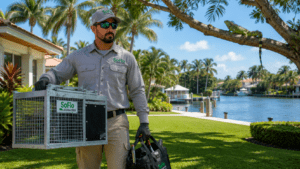
- Trapping should be done using safe, humane cage traps with appropriate bait such as fruits favored by iguanas.
- Always check local wildlife regulations before trapping or relocating iguanas to ensure legal compliance.
- Handling iguanas requires care to avoid injury to both the animal and the handler; professional assistance is recommended.
Humane treatment and adherence to regulations protect both you and the iguanas.
Safe and Effective Trap Setup Tips
Setting traps to catch iguanas humanely involves a few key steps:
- Place traps near known climbing routes like tree trunks or roof edges.
- Use ripe fruits such as mango, papaya, or berries as bait.
- Check traps frequently to minimize stress for trapped animals.
- Wear protective gloves and clothing when handling traps and iguanas.
Patience and caution improve success and safety.
Frequently Asked Questions
Q: Can trimming trees completely stop iguanas from accessing my roof?
A: While tree trimming reduces easy access, iguanas are agile climbers and may find alternative routes. Combining trimming with barriers and professional control methods is most effective.
Q: Are iguanas harmful to roofs or homes?
A: Iguanas can damage roofing materials by scratching or displacing tiles, and their droppings can clog gutters and cause staining.
Q: Is it legal to trap and relocate iguanas in South Florida?
A: Regulations vary by county and municipality. Always consult local wildlife authorities before trapping or relocating iguanas to ensure you comply with laws.
Q: What is the best time of day to trim trees to deter iguanas?
A: Early morning or late afternoon when iguanas are less active is ideal for trimming to avoid disturbing them.
Q: Can I use repellents to keep iguanas away from my trees and roof?
A: Some repellents exist but tend to have limited effectiveness. Physical barriers and habitat modification are more reliable long-term solutions.
Conclusion: Protect Your South Florida Home from Roof-Bridge Iguanas
Managing trees and palms around your home is a practical and essential step in preventing iguanas from using them as bridges to your roof. Regular trimming, combined with physical barriers and humane removal techniques, creates a safer, cleaner environment for your property. If you’re facing persistent iguana issues or need expert advice on humane wildlife control, trust the local professionals at SoFlo Iguana Pros. Call us today at (561) 735-1975 to learn how we can help you keep your South Florida home iguana-free.