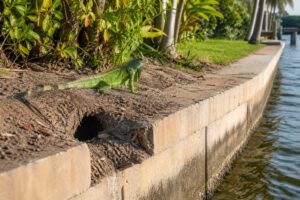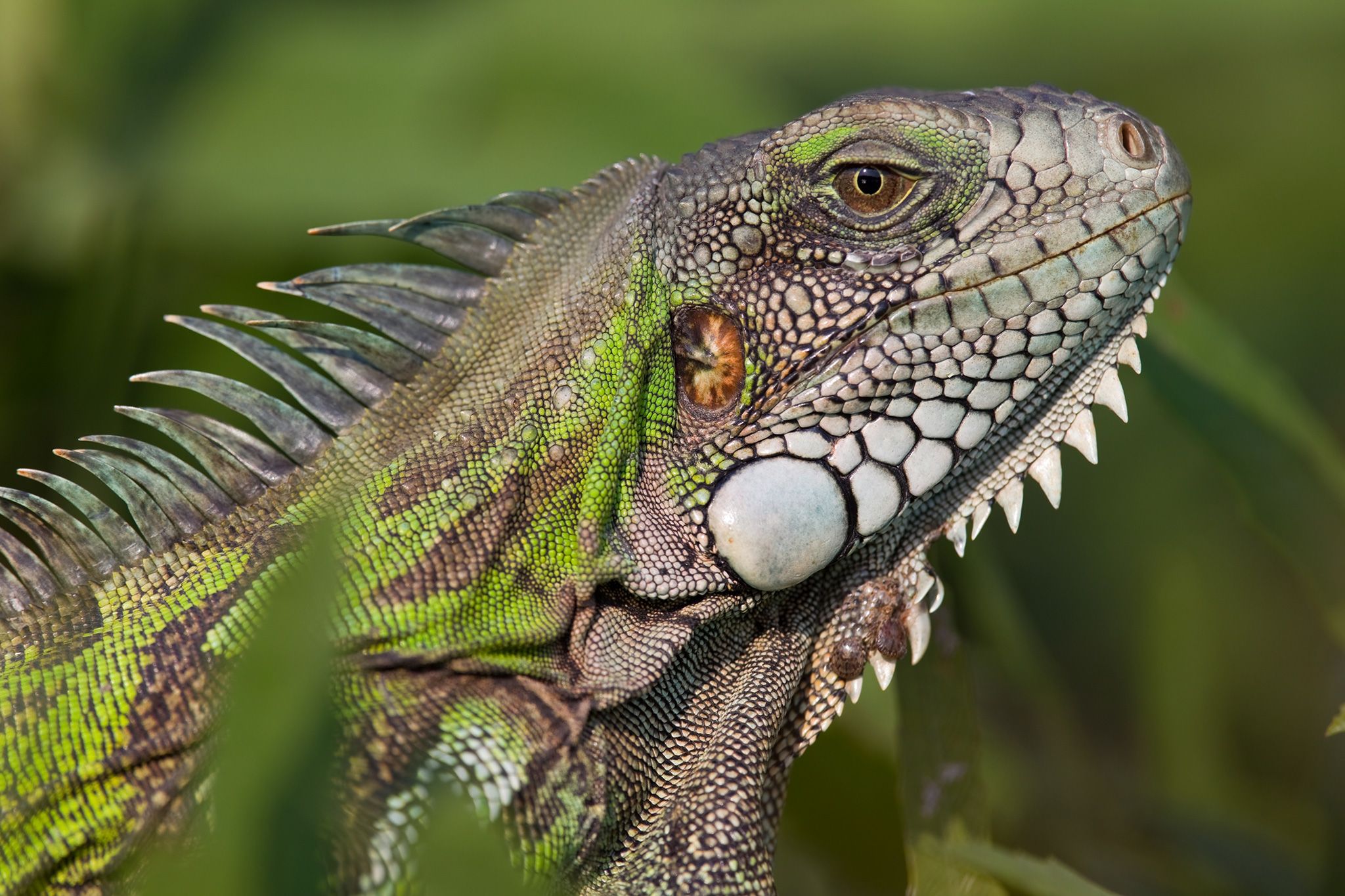
Living in South Florida means sharing your surroundings with a variety of wildlife, including the vibrant but sometimes troublesome green iguana. If you suspect iguanas are frequent visitors to your yard or garden, knowing how to spot fresh signs of their activity is essential for timely and effective management. This guide will help homeowners recognize the most recent iguana presence through tracks, droppings, and other telltale indicators, ensuring you stay one step ahead in protecting your property.
Recognizing Fresh Iguana Tracks
One of the earliest clues to iguana activity is their distinctive tracks. Iguanas have sharp claws and long toes that leave clear imprints on soft ground, such as dirt, sand, or mulch. Fresh tracks are usually crisp and well-defined, showing the characteristic five-toed footprints with claw marks.
Keep an eye out for these features:
- Track sharpness: Fresh tracks have clear edges; older tracks will appear softened by wind or rain.
- Trail direction: Iguanas often follow the same paths between feeding spots, basking areas, and burrows.
- Nearby disturbances: Look for uprooted plants, disturbed soil, or broken branches along the trail, signaling recent passage.
Identifying Fresh Iguana Droppings
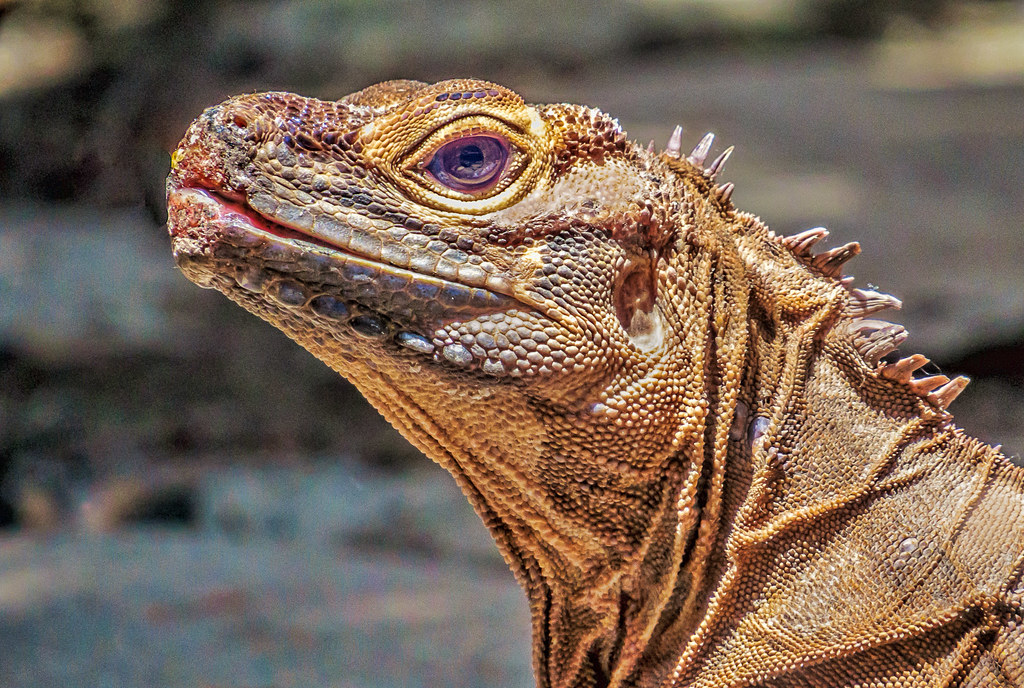
Another unmistakable sign of iguana presence is their droppings. Fresh samples are moist, dark, and well-formed, often found near their favored resting or feeding spots. Iguana droppings typically consist of two parts: a dark, solid portion and a white, powdery urate segment.
When assessing droppings, consider these points:
- Moisture content: Fresh droppings are moist and may have a slight odor, while older ones dry out and lighten in color.
- Location: Droppings under trees, near shrubs, or around garden beds are common as iguanas forage for food.
- Quantity: Multiple fresh droppings in one area indicate regular recent activity.
Signs of Recent Vegetation Damage
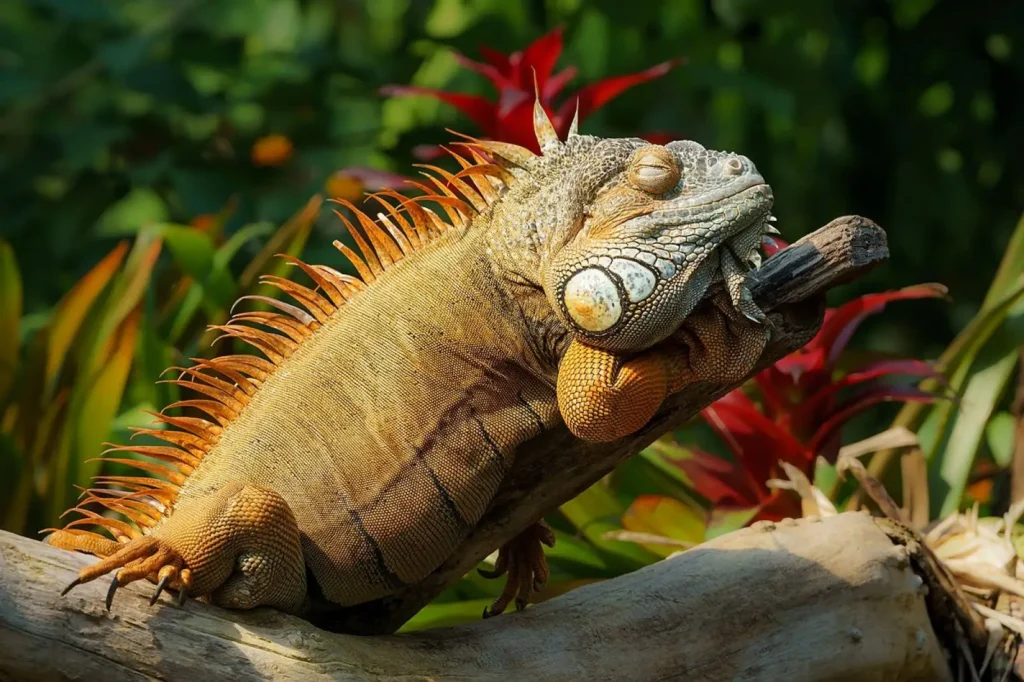
Iguanas are herbivores and can cause visible harm to your landscaping. Fresh feeding damage often appears as torn leaves, stripped bark, or nibbled fruits and flowers. Look for:
- Bright green edges on chewed leaves indicating recent feeding.
- Broken branches or stems with clean bite marks.
- Discarded plant parts nearby, such as fallen leaves or fruit remnants.
Because iguanas prefer certain plants native to South Florida, such as hibiscus, orchids, and palm fronds, damage to these species can highlight active feeding zones.
Observing Behavioral Patterns and Times
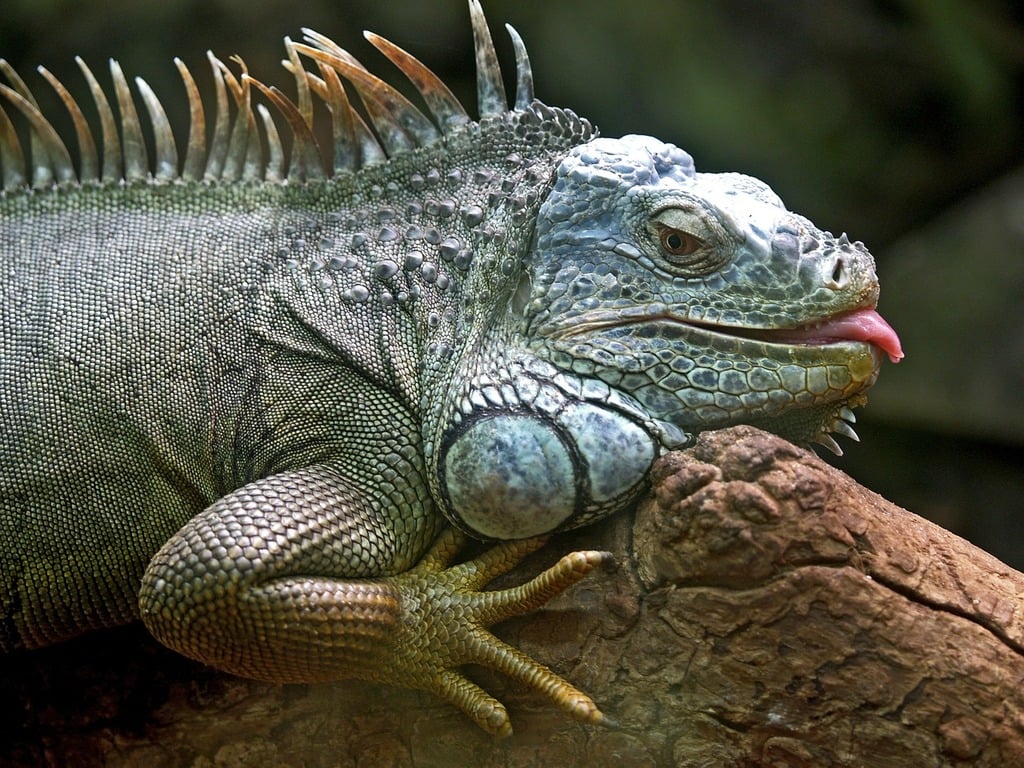
Fresh iguana activity is often linked to their daily routines. Iguanas are most active during the warm daylight hours, especially in the morning and late afternoon when basking and feeding. If you catch movement or hear rustling in your yard during these times, it may be recent activity.
Additionally, iguanas tend to seek shaded, cool areas during midday heat and hide under dense foliage or burrows at night. Spotting these resting places can confirm ongoing presence.
Humane and Legal Considerations for Managing Iguanas
While identifying fresh iguana signs is crucial, it’s important to approach management responsibly. South Florida regulations require humane treatment and proper handling of iguanas. Before attempting removal or trapping, consider the following:
- Use live traps designed for iguanas and baited with fresh fruits like mango or berries.
- Avoid harmful chemicals or lethal methods that can injure pets, children, or other wildlife.
- Consult local wildlife authorities regarding permits and guidelines for relocation or removal.
Humane practices not only comply with legal standards but also protect the local ecosystem and community health.
Setting Up Traps and Bait Effectively
When fresh activity is evident and removal is necessary, setting traps thoughtfully increases success. Follow these tips:
- Place traps near recent tracks or feeding areas to maximize encounters.
- Use ripe fruits favored by iguanas, such as mango, papaya, or banana slices, as bait.
- Check traps frequently—at least twice daily—to minimize stress on captured animals.
- Ensure traps are stable and shaded to provide comfort and prevent overheating.
Always prioritize safety for both humans and iguanas during setup and handling.
FAQ: Identifying and Managing Fresh Iguana Activity
Q1: How can I tell if iguana tracks are fresh or old?
Fresh tracks have sharp, clear edges and visible claw marks. Older tracks tend to be faded or partially eroded due to weather.
Q2: Are iguana droppings harmful to humans or pets?
Iguana droppings can carry bacteria, so avoid direct contact, wear gloves when cleaning, and keep pets away from droppings.
Q3: What time of day are iguanas most active?
Iguanas are generally active during daylight hours, especially in the morning and late afternoon when temperatures are moderate.
Q4: Can I remove iguanas myself?
While homeowners can set traps, it’s important to follow humane and legal guidelines. Professional assistance ensures proper handling and compliance with South Florida regulations.
Q5: What plants attract iguanas?
Tropical plants such as hibiscus, orchids, bougainvillea, and palm fronds are common favorites that may suffer damage.
By understanding and recognizing fresh iguana activity, South Florida homeowners can respond appropriately to protect their property while respecting local wildlife laws. If you notice recent signs of iguana presence or need expert help with humane removal, contact SoFlo Iguana Pros at (561) 735-1975. Our team is experienced in identifying and managing iguana activity effectively and responsibly throughout South Florida.