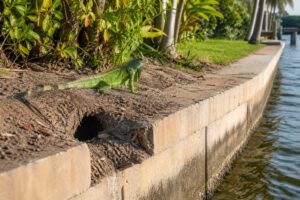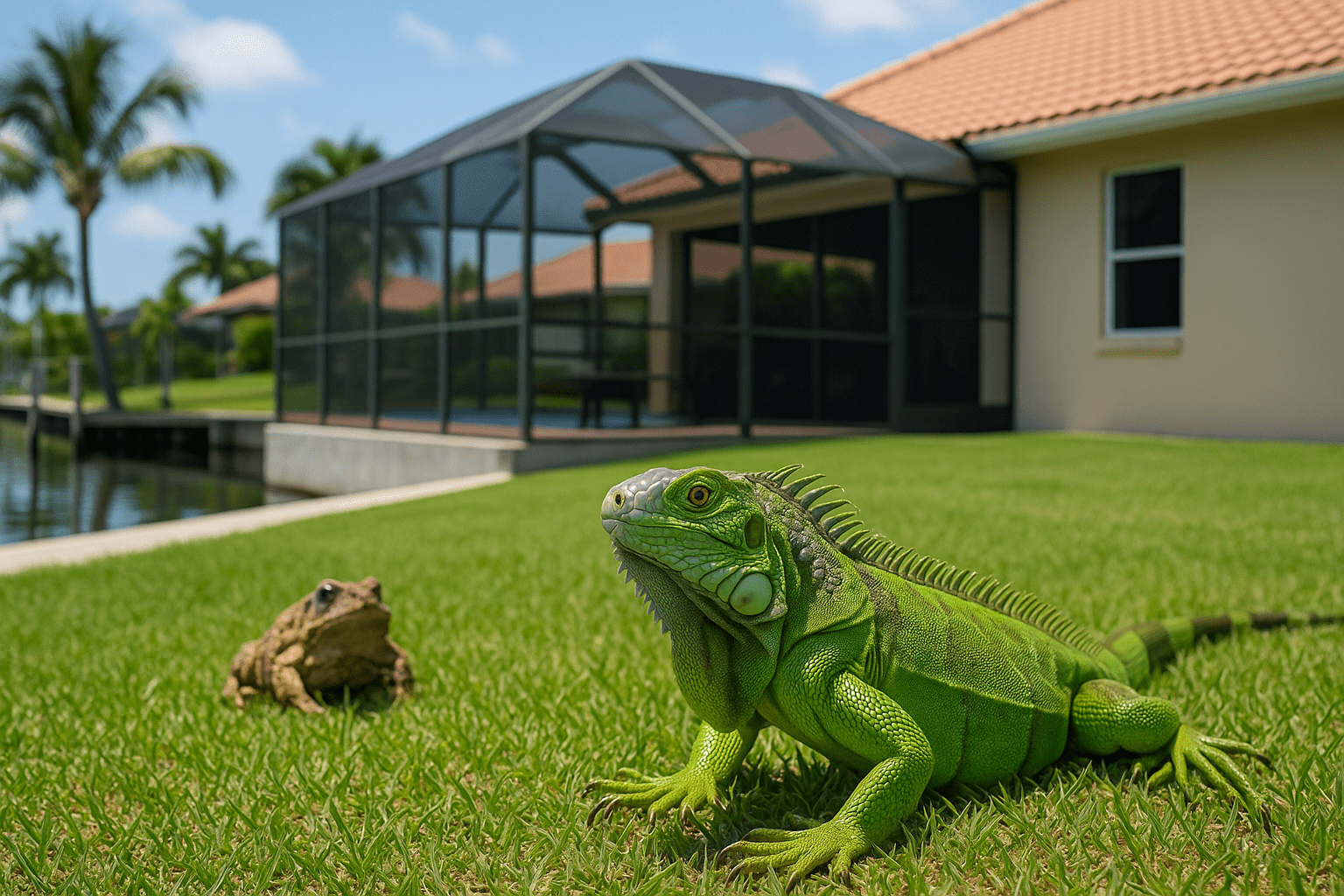
Living in South Florida means sharing your yard with some unique wildlife—iguanas among them. While these reptiles are fascinating to watch, their presence can sometimes lead to damage in your landscaping and garden. Completely removing every plant isn’t a practical or desirable solution for most homeowners. Fortunately, there are effective ways to reduce iguana activity by modifying their habitat while preserving your yard’s beauty. This guide will walk you through practical tips for managing iguana presence humanely and sustainably.
Understanding Iguana Behavior and Habitat Preferences
Iguanas are primarily herbivores that thrive in warm, leafy environments. They seek shelter, food, and basking spots in yards rich with foliage. South Florida’s subtropical climate provides an ideal habitat, especially in areas with dense shrubs, ground cover, and fruit-bearing plants. Knowing what attracts iguanas can help you make targeted changes to your landscaping that discourage their presence without stripping your yard bare.
Selective Plant Choices to Deter Iguanas
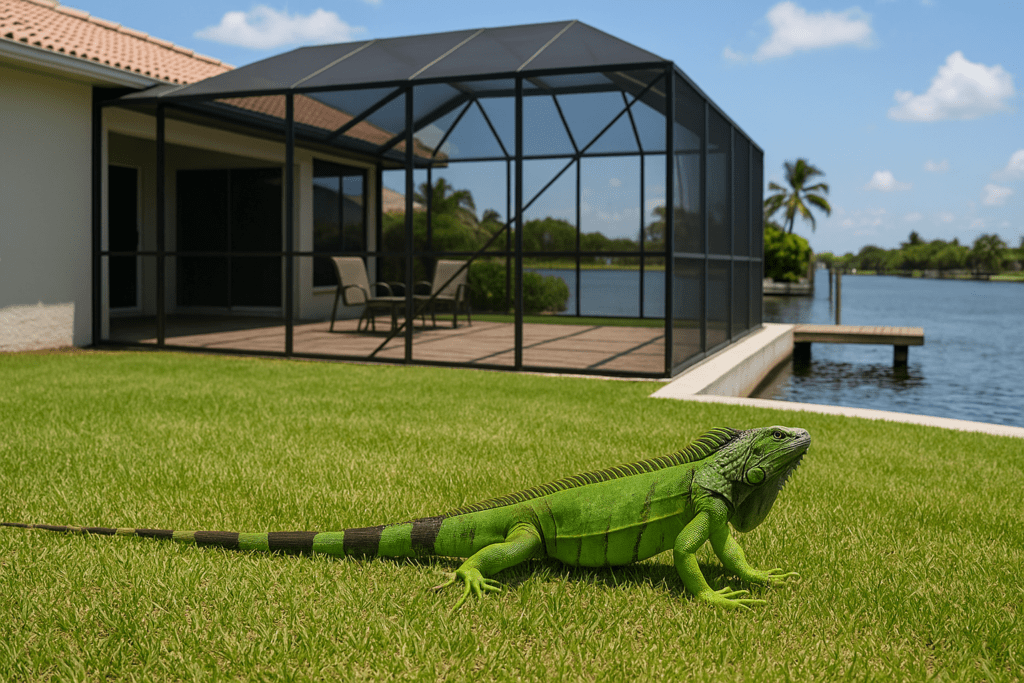
Instead of removing all plants, consider landscaping with species that iguanas find less appealing. Iguanas tend to avoid plants with tough, prickly, or aromatic leaves. Some recommended options include:
- Hibiscus (thick, tough foliage)
- Agave and yucca (spiky textures discourage feeding)
- Oleander (toxic to iguanas and most wildlife)
- Plumeria (less favored by iguanas)
- Herbs with strong scents like rosemary or lavender
Incorporating these plants strategically can create natural barriers and reduce attractive feeding sites without sacrificing greenery.
Modifying Yard Features to Limit Shelter and Basking Areas
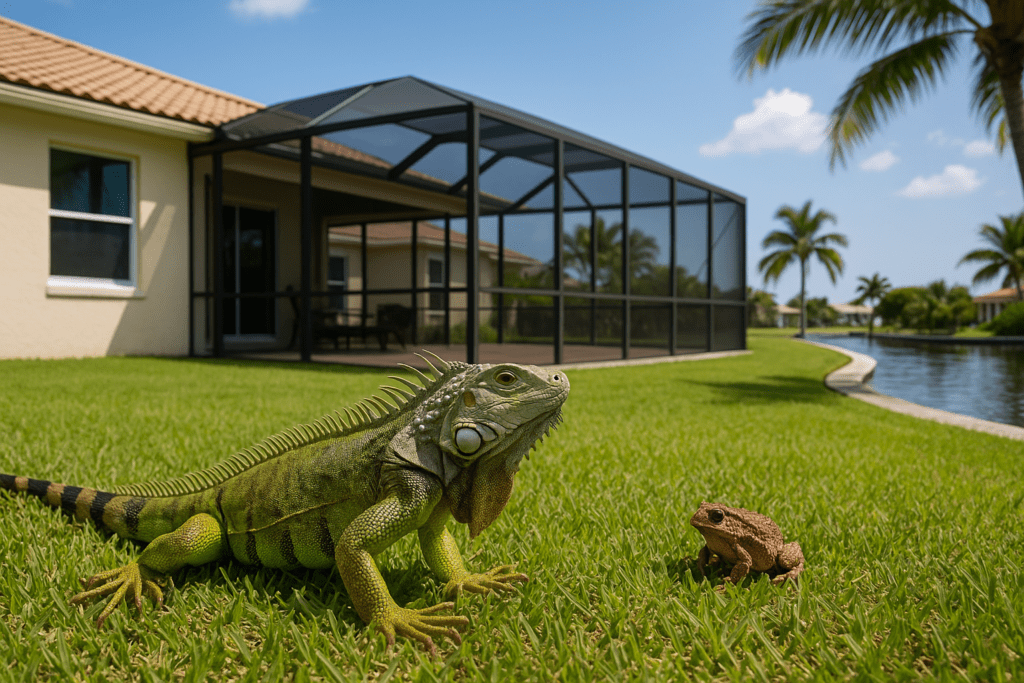
Iguanas like to sun themselves on flat surfaces and hide under dense vegetation or debris. You can reduce their comfort by:
- Pruning overgrown shrubs to open up space and reduce hiding spots.
- Removing piles of wood, rock, or yard debris where iguanas can shelter.
- Using gravel or mulch in areas where iguanas frequently rest instead of dense ground cover.
- Installing barriers around vulnerable plants to discourage access.
These modifications make your yard less inviting while maintaining its visual appeal.
Humane Trapping and Removal: What You Need to Know
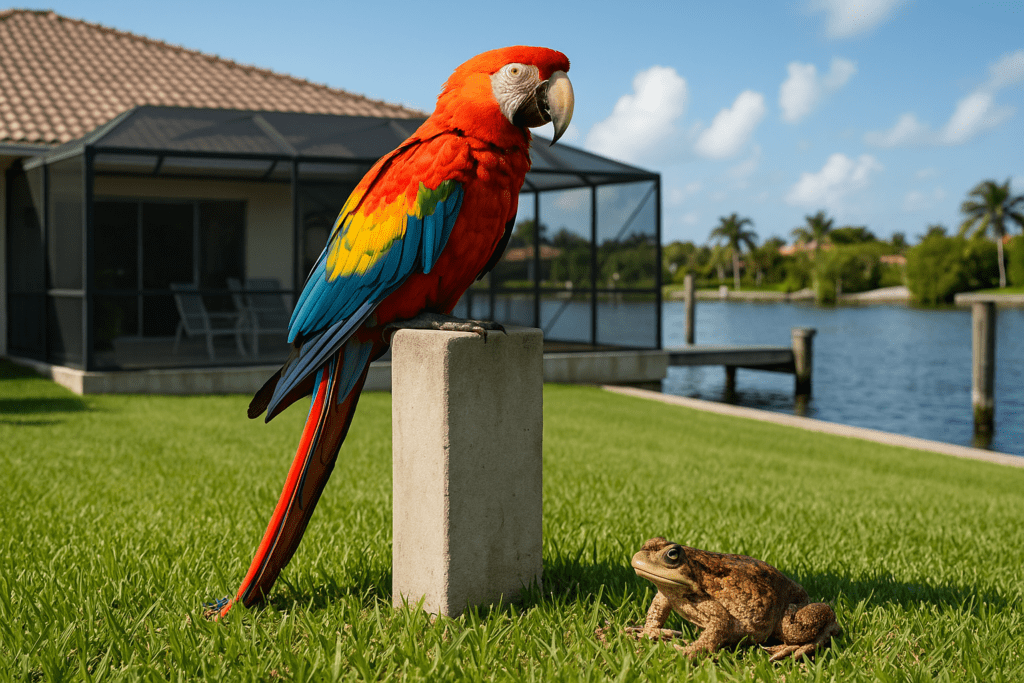
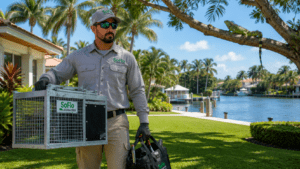
In cases where habitat modification isn’t enough, trapping may be necessary to control iguana numbers. It’s important to use humane, legal methods approved in South Florida.
- Trap Selection: Use live cage traps designed specifically for iguanas to avoid injury.
- Baiting: Fresh fruits such as mango, papaya, or cantaloupe are effective attractants.
- Placement: Set traps near areas with frequent iguana activity but away from pets or children.
- Safety: Wear gloves and handle traps carefully to minimize stress on the animal.
- Legal Compliance: South Florida regulations require humane treatment and proper relocation or surrender of captured iguanas to wildlife authorities.
Professional assistance ensures all trapping and removal efforts meet these standards and are conducted safely.
Maintaining Your Yard to Keep Iguanas at Bay
Consistency is key to long-term reduction of iguana activity. Regular maintenance can discourage return visits:
- Keep grass trimmed short.
- Clear fallen fruit and garden debris promptly.
- Inspect and repair fences, gates, or walls to block iguana entry points.
- Use motion-activated sprinklers or noise devices as non-invasive deterrents.
These small efforts add up to a less hospitable environment for iguanas.
FAQ: Common Questions About Managing Iguanas in South Florida Yards
Q: Do iguanas pose any danger to humans or pets?
A: Iguanas are generally not aggressive but can bite or scratch if threatened. Keeping a safe distance and avoiding direct contact is best.
Q: Is it legal to trap and relocate iguanas in South Florida?
A: Regulations vary by county. Always use humane traps and consult local wildlife authorities or professionals to comply with laws.
Q: Can I use repellents or chemicals to get rid of iguanas?
A: Most commercial repellents are ineffective, and chemicals may harm other wildlife or plants. Habitat modification is safer and more sustainable.
Q: How long does it take to see a reduction in iguana activity after modifying habitat?
A: Results can vary, but consistent changes often reduce activity within weeks to months.
Q: When should I call a professional for iguana control?
A: If iguana damage is extensive or trapping is needed, professionals can ensure safe and legal removal while advising on habitat improvements.
Conclusion: Balance Your Landscape and Wildlife with Expert Help
Managing iguana activity in South Florida yards doesn’t mean sacrificing your plants or landscape beauty. Thoughtful habitat modification combined with humane trapping when necessary can create a balanced environment. If you’re facing persistent iguana challenges, SoFlo Iguana Pros is here to assist with expert advice and professional wildlife control services. Call us today at (561) 735-1975 to protect your yard while respecting South Florida’s unique wildlife.