South Florida’s lush gardens are known for their vibrant hibiscus, colorful bougainvillea, and thriving tropical plants. Unfortunately, these beautiful plants are favorite snacks for the region’s sizable iguana population. If you’ve noticed nibbled leaves or damaged blooms, you’re not alone—many homeowners face this challenge. Understanding how to protect your landscaping without harming the local wildlife is key to maintaining your garden’s beauty and balance.
Why Iguanas Target Hibiscus, Bougainvillea, and Tropical Plants
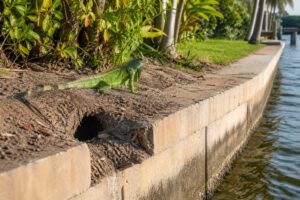
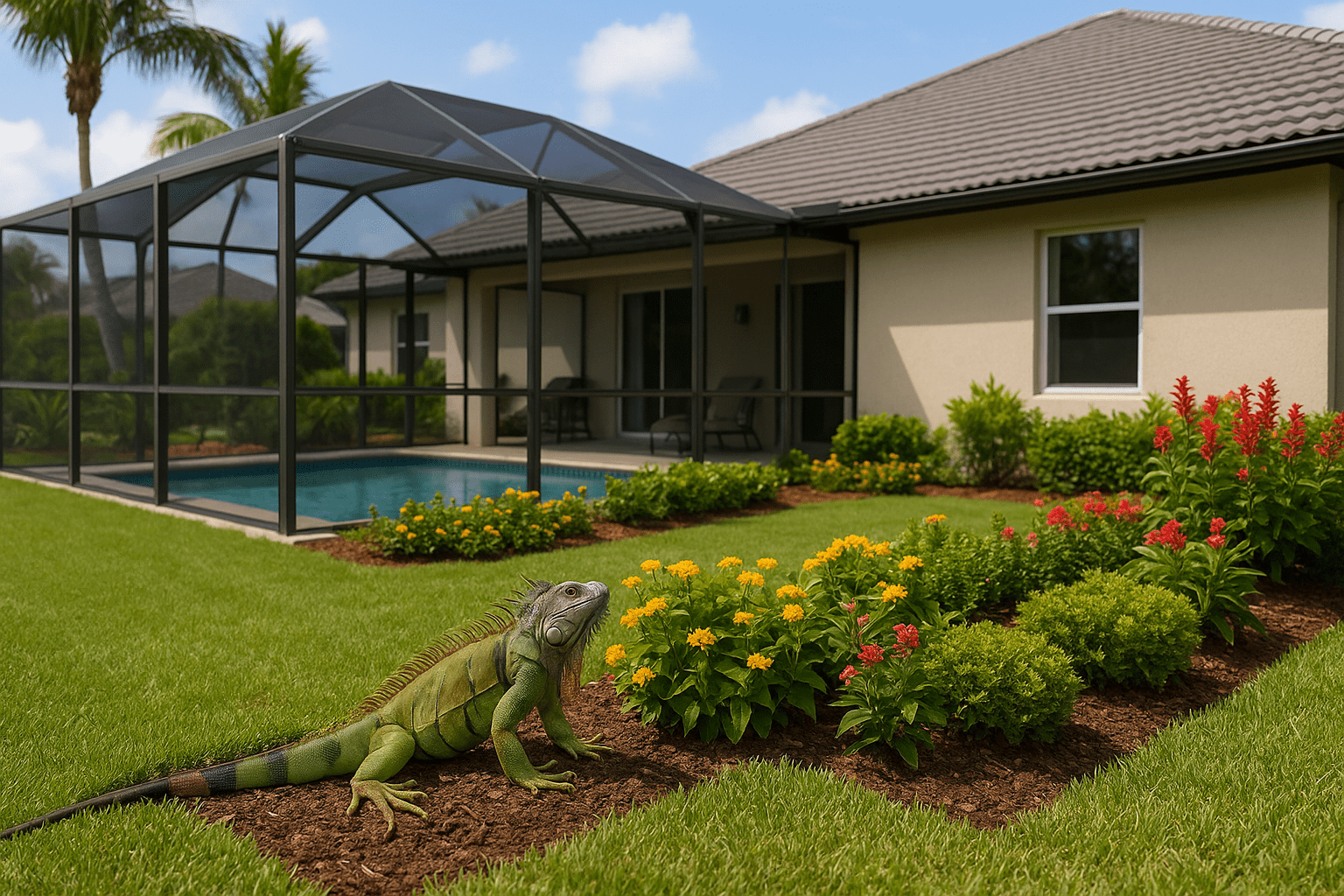
Iguanas are primarily herbivores and South Florida’s warm climate offers an ideal habitat for them. Hibiscus and bougainvillea, with their tender leaves and flowers, are especially appealing to these reptiles. Tropical plants often have soft foliage and fruit that iguanas find irresistible. Their feeding habits can cause significant damage, from stripped branches to defoliated shrubs, impacting your garden’s health and curb appeal.
Assessing and Preventing Iguana Damage
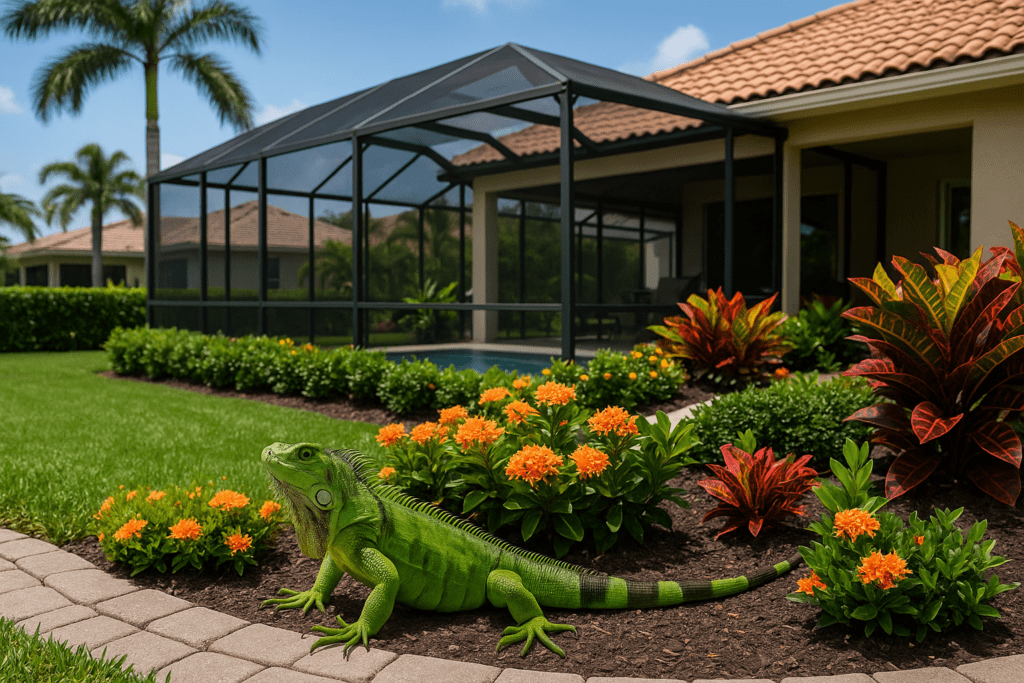
Early detection and preventive measures can save your plants from extensive harm. Here are some practical steps:
- Regular Inspection: Check plants frequently for signs of nibbling or leaf loss.
- Physical Barriers: Use garden netting or plant cages to protect vulnerable shrubs without restricting growth.
- Landscape Choices: Consider less iguana-attractive plants around your garden edges to reduce visits.
- Remove Attractants: Keep fallen fruit and debris cleared to discourage iguanas from lingering.
Humane Iguana Trapping and Removal Basics
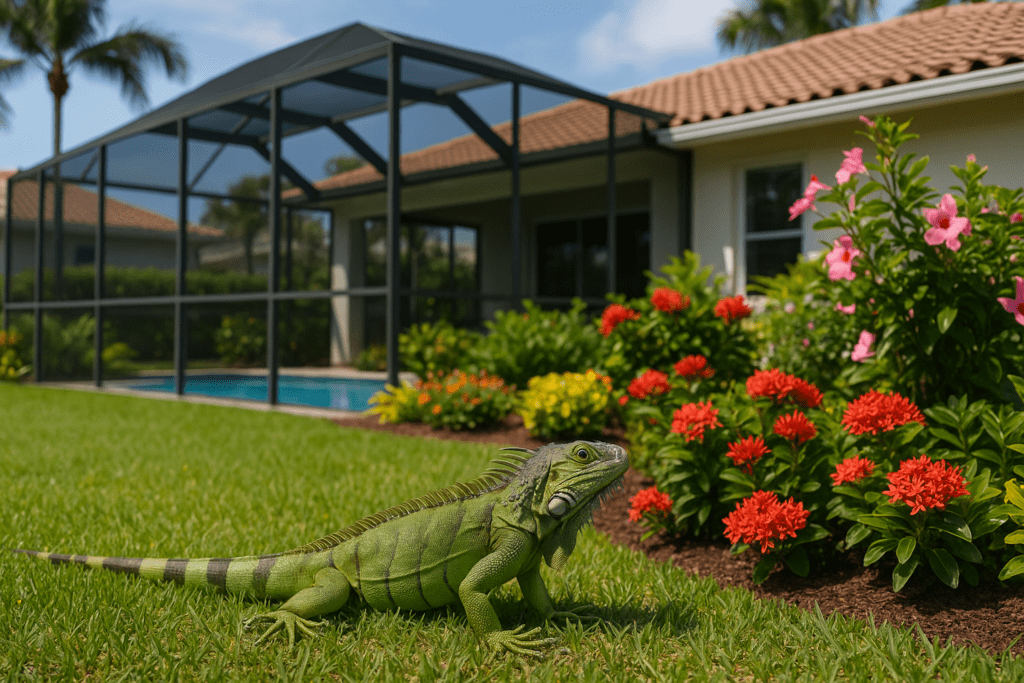
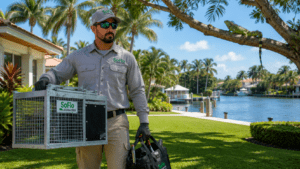
If iguanas are persistent and causing ongoing damage, humane trapping may be necessary. South Florida homeowners should always ensure compliance with local wildlife regulations when handling iguanas.
Key points for effective and ethical trapping:
- Choose the Right Trap: Use live traps designed specifically for iguanas, ensuring they are spacious and ventilated.
- Bait Selection: Fresh fruits like mango, papaya, or berries are highly effective baits.
- Trap Placement: Position traps near affected plants or iguana pathways, preferably in shaded areas.
- Monitor Traps Frequently: Check traps multiple times daily to minimize stress on trapped animals.
Ensuring Safety and Compliance
Safety is vital for both homeowners and wildlife. When dealing with iguanas, take these precautions:
- Wear gloves and long sleeves to protect against scratches.
- Avoid handling iguanas directly—use tools or contact professionals.
- Never release trapped iguanas into unfamiliar areas; relocation laws apply.
- Contact local wildlife authorities or licensed pest control services for guidance.
Additional Plant Protection Tips
Beyond physical barriers and trapping, consider these strategies to safeguard your tropical garden:
- Repellents: Commercial repellents designed for reptiles can deter iguanas when applied safely.
- Landscaping Adjustments: Prune lower branches and thick undergrowth to reduce hiding spots.
- Water Management: Avoid overwatering areas where iguanas frequent, as dampness attracts them.
FAQ: Protecting Your Plants from Iguanas
Q: Are hibiscus and bougainvillea the only plants iguanas eat?
A: No, iguanas consume a variety of leafy greens, flowers, and fruits but hibiscus and bougainvillea are among their favorites due to tender foliage.
Q: Can I use poison or lethal methods to control iguanas?
A: Using poison or lethal methods is unsafe, illegal in many cases, and inhumane. Humane trapping and exclusion are recommended.
Q: How often should I check traps?
A: Traps should be checked at least twice daily to reduce stress and ensure humane treatment.
Q: Will fencing keep iguanas away?
A: Fencing can help if it is at least 4 feet high and buried a few inches underground to prevent digging; however, iguanas can climb, so it’s not foolproof.
Q: When is the best time to trap iguanas?
A: Early mornings or late afternoons are ideal when iguanas are active but temperatures are cooler.
Conclusion: Protect Your South Florida Garden with Expert Help
Maintaining a healthy garden with hibiscus, bougainvillea, and tropical plants in South Florida requires vigilance and thoughtful strategies to manage iguana impact humanely and effectively. If you’re struggling to protect your landscape, SoFlo Iguana Pros offers expert advice and professional wildlife control tailored to our unique environment. Call us today at (561) 735-1975 for assistance that respects both your plants and local wildlife regulations.