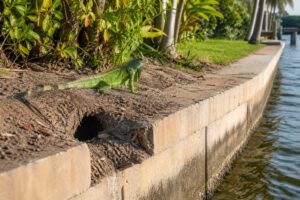
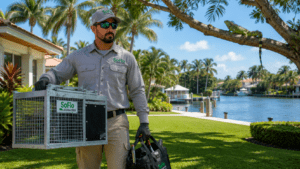
In South Florida, iguanas are a common sight, often becoming a nuisance in residential yards and gardens. Using traps can be an effective way to manage iguana populations humanely. However, camouflaging your iguana trap requires balance: you want it to blend in naturally without creating a safety hazard for pets, children, or the iguanas themselves. This guide will walk you through practical and safe methods to disguise your trap using natural materials, especially branches, while ensuring a secure and humane setup.
Why Camouflage Your Iguana Trap?
Iguanas are naturally cautious creatures. A well-camouflaged trap increases your chances of a successful capture by blending into their environment. Without camouflage, an iguana may avoid the trap altogether, making your efforts less effective. Moreover, a visually appealing trap setup maintains the aesthetics of your yard while minimizing disturbance to local wildlife and neighbors.
Choosing the Right Location for Your Trap
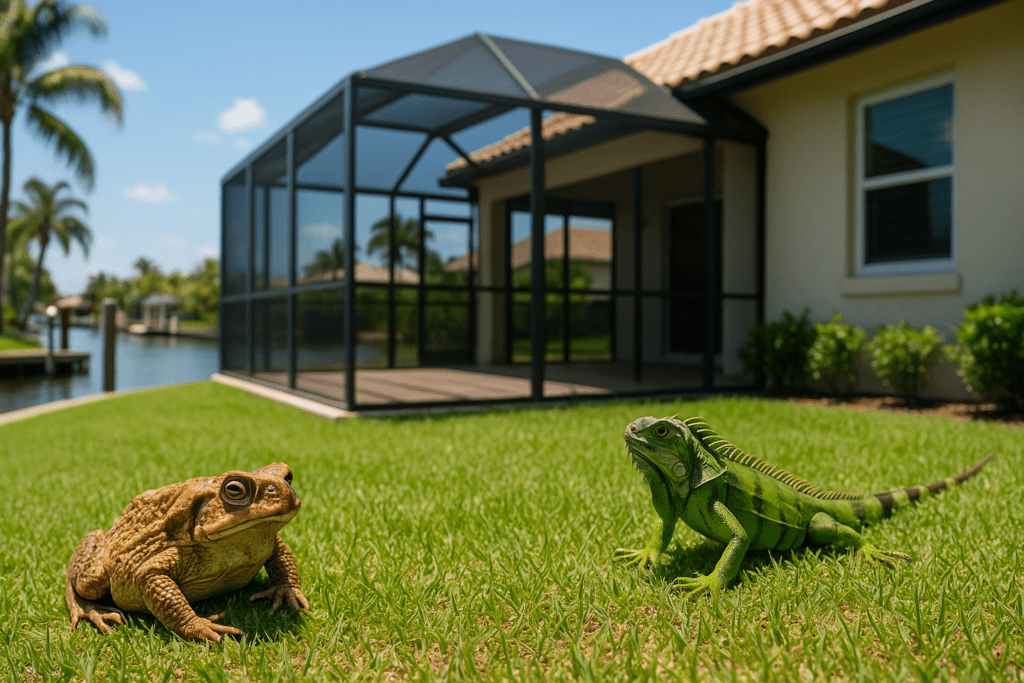
Before camouflaging, pick a strategic location where iguanas frequent, such as near fruit trees, garden beds, or shaded spots. Look for signs like droppings or scrape marks. Setting your trap in a visible but discreet place reduces chances of accidental contact by children or pets, enhancing safety for everyone involved.
Using Branches and Natural Materials for Camouflage
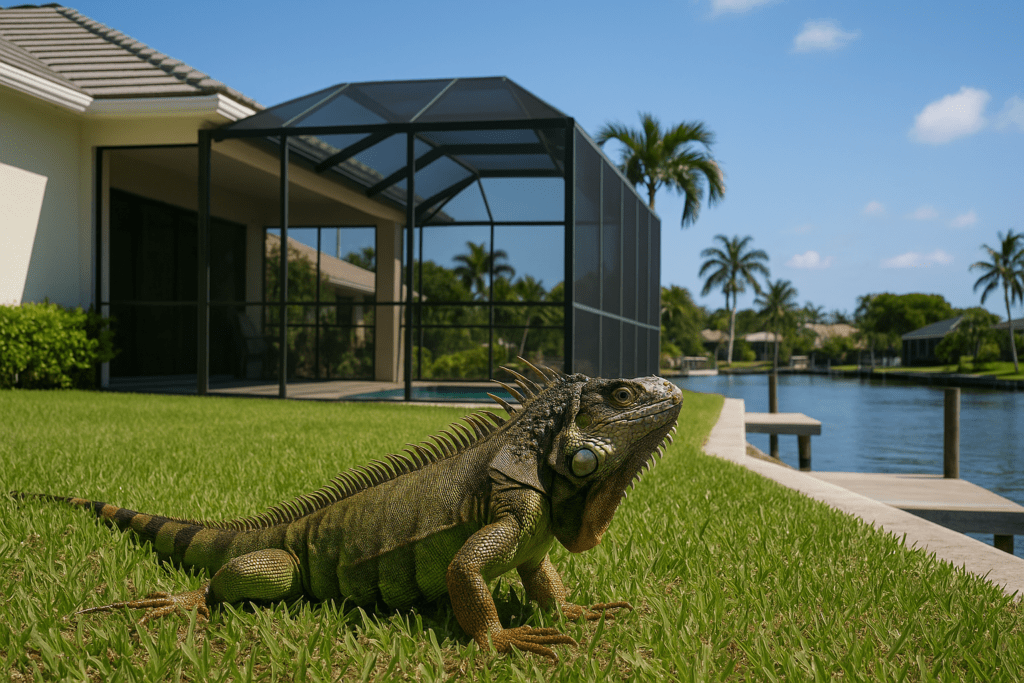
Branches are one of the best materials to disguise an iguana trap because they mimic the iguana’s natural habitat. Here are some tips on using them effectively:
- Select appropriate branches: Use branches that match the surrounding vegetation in size and color to avoid standing out.
- Arrange loosely: Place branches loosely over and around the trap to ensure it remains visible enough for iguanas to enter but hidden from casual view.
- Maintain airflow and visibility: Avoid blocking the trap’s entrance or ventilation with branches to keep the trap functional and humane.
- Secure branches safely: Make sure branches are stable and won’t fall or shift to injure wildlife, pets, or people.
Setting Up Your Trap Safely
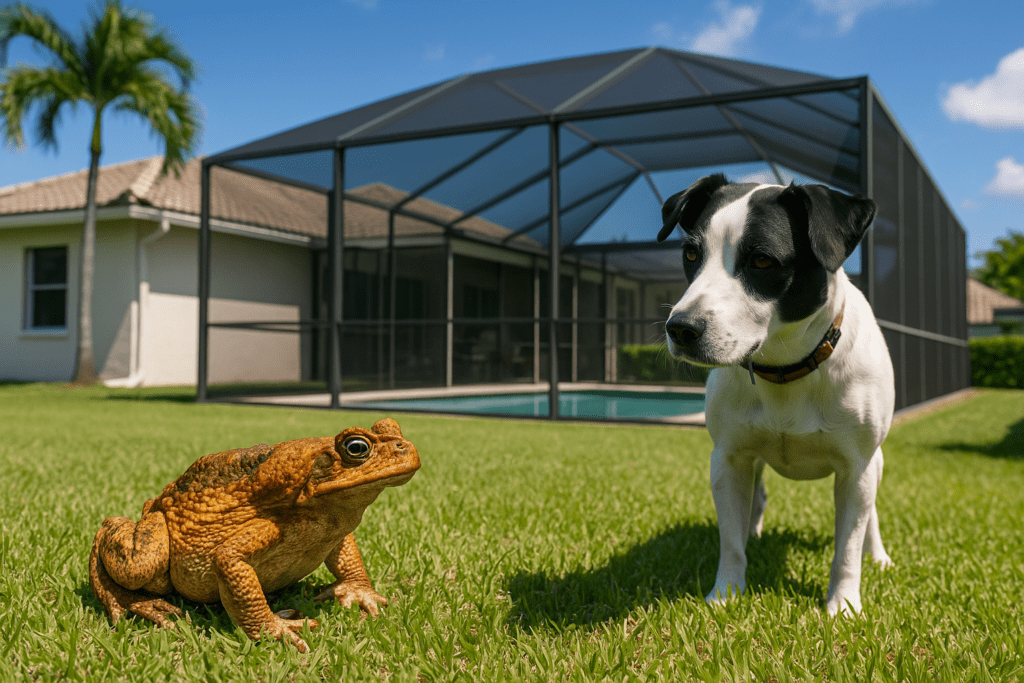
Safety is paramount when trapping wildlife. Follow these precautions to keep your iguana trap safe and effective:
- Check trap integrity: Confirm that doors, latches, and trigger mechanisms work smoothly without risk of jamming or harming the iguana.
- Clear surrounding debris: Remove sharp objects or obstacles around the trap area that could cause injury.
- Keep pets and children away: Place signs or barriers if necessary to prevent accidental interference.
- Monitor regularly: Inspect traps daily to release iguanas promptly and avoid prolonged confinement.
Legal and Humane Considerations in South Florida
South Florida has regulations concerning the trapping and removal of iguanas. It’s important to comply with local wildlife laws and handle iguanas humanely:
- Use only approved trapping methods that cause no harm.
- Do not relocate iguanas to new areas, as this can disrupt ecosystems and is often illegal.
- Contact professional wildlife control experts for guidance and assistance.
Following these guidelines helps protect the environment and ensures ethical treatment of wildlife.
Effective Bait Choices to Complement Your Camouflaged Trap
To attract iguanas into your camouflaged trap, bait selection is vital. Iguanas prefer fresh fruits and vegetables such as:
- Mango slices
- Banana pieces
- Leafy greens like collard or mustard greens
- Cantaloupe or papaya chunks
Place bait toward the back of the trap to encourage iguanas to enter fully before triggering the door. Refresh bait regularly to maintain its appeal.
Frequently Asked Questions
Q1: Can I use plastic or synthetic materials to camouflage my trap?
Plastic materials are generally discouraged as they can harm the environment and may be less effective at camouflage. Natural materials like branches blend better and are safer.
Q2: How often should I check my iguana trap?
Check your trap at least once daily to avoid unnecessary stress or harm to trapped animals.
Q3: What if the iguana avoids the trap even when camouflaged?
Try relocating the trap to a different area where iguanas are more active, and refresh bait to increase attractiveness.
Q4: Is it safe to trap iguanas myself?
Yes, if done carefully and following local regulations. However, professionals can provide safer and more efficient removal services.
Conclusion: Expert Support for Safe Iguana Trap Camouflage
Properly camouflaging an iguana trap using branches and natural materials can improve capture success while maintaining safety and humane treatment. Remember to select the right location, ensure trap functionality, and always comply with South Florida wildlife laws.
For expert advice or professional iguana removal services in South Florida, contact SoFlo Iguana Pros at (561) 735-1975. Our team is dedicated to safe, effective, and humane wildlife control solutions tailored for your property.