Managing invasive iguanas in South Florida requires patience, care, and knowledge—especially when using traps. One of the most common questions homeowners and property managers ask is: how often should you check an iguana trap? Regular monitoring is crucial not only for successful removal but also for the humane treatment of trapped iguanas. In this article, we’ll share practical guidelines on trap checks, legal considerations, and effective iguana trapping strategies tailored specifically for Florida residents.
Why Frequent Trap Checks Are Essential
Unlike some pests, iguanas are cold-blooded reptiles that can experience stress and injury quickly when confined. Leaving a trap unattended for long periods can cause dehydration, overheating, or accidental self-injury. Checking traps consistently ensures the well-being of the captured iguana and increases your chances of a smooth removal process.
Moreover, frequent checks prevent non-target animals from being trapped for too long and reduce the risk of attracting other wildlife to the bait. It’s also a responsible practice to respect local wildlife regulations, which often require humane treatment and timely release or relocation.
Recommended Trap Check Frequency in South Florida
For residents of South Florida, a good rule of thumb is to inspect iguana traps at least once every 12 hours. Early morning and late afternoon checks work best to minimize heat stress during the hotter parts of the day. Some key points to consider:
- Morning checks: Remove trapped iguanas before temperatures rise and offer water if possible.
- Evening checks: Ensure no animals are left overnight in extreme temperatures.
- Adjust frequency: If you’re trapping during cooler months, daily checks might suffice, but always monitor based on weather conditions.
Remember, frequent inspections help prevent injury and stress, which is not only humane but also aligns with Florida’s wildlife control guidelines.
Setting Up Your Trap for Safe and Effective Capture
Proper trap setup complements regular checks to create a more efficient and humane process. Here are some tips for setting up iguana traps in Florida:
- Use sturdy, escape-proof traps: Wire mesh traps designed specifically for reptiles work best.
- Place traps in shaded locations: Protect trapped animals from direct sun exposure.
- Bait wisely: Use fresh fruits like mango, papaya, or berries to attract iguanas.
- Camouflage traps: Blend traps into the environment to avoid alarming iguanas.
- Keep water nearby: Especially if you plan to check traps less frequently, provide a shallow water dish inside the trap.
Humane Handling and Legal Considerations
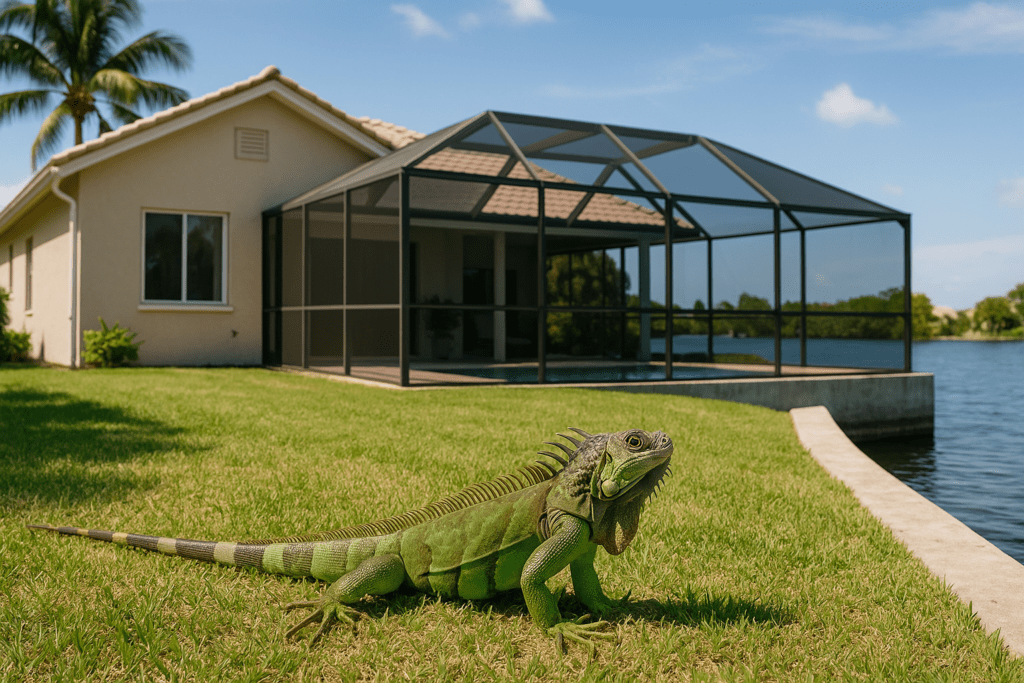
South Florida’s ecosystem faces challenges from invasive species like green iguanas. While trapping and removal are necessary, Florida state regulations emphasize humane treatment and responsible handling. Avoid any actions that cause unnecessary suffering or stress.
If you catch an iguana, handle it gently, and if relocation is permitted, do so following local wildlife laws. Never release iguanas into new environments, as this can worsen the invasive problem and violate regulations. When in doubt, consulting professionals like SoFlo Iguana Pros ensures compliance with all legal and ethical standards.
Weather and Seasonal Factors Affecting Trap Checks
South Florida’s subtropical climate influences iguana behavior and trapping success. During the hot summer months, traps require more frequent checks to prevent heat-related stress. Conversely, in cooler winter months, iguanas become less active and trapping frequency might be adjusted accordingly.
Rain and storms can also interfere with traps. Heavy rain can flood traps or wash away bait, while storms may cause stress to trapped animals. Monitor weather forecasts and plan trap checks accordingly, prioritizing animal safety.
Common Mistakes to Avoid When Checking Iguana Traps
To maximize effectiveness and maintain humane standards, avoid these pitfalls:
- Ignoring trap timers: Setting traps and forgetting them leads to stress and injury.
- Checking traps only once per day during hot weather: This puts iguanas at risk of dehydration.
- Failing to secure the trap site: Ensure pets and children cannot access traps.
- Using improper bait: Avoid spoiled or unsuitable bait that deters iguanas or attracts unwanted animals.
- Releasing iguanas improperly: Follow legal guidelines and avoid relocating them to other areas.
FAQ: Iguana Trap Checks in South Florida
Q1: Can I check my iguana trap once a day?
While daily checks may be enough during cooler months, in South Florida’s warm climate, it’s best to check at least twice daily to reduce animal stress.
Q2: What should I do if I find a trapped iguana?
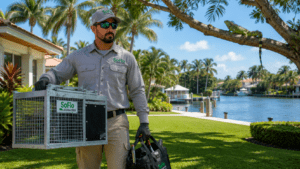
Handle it carefully using gloves, and contact a professional if you’re unsure about relocation or release options.
Q3: Is it legal to trap and relocate iguanas in Florida?
Relocation is heavily regulated and often discouraged. Always check local laws and consult wildlife experts before moving iguanas.
Q4: How do I keep non-target animals out of my iguana trap?
Use bait specific to iguanas and place traps in locations frequented by them but less accessible to pets or other wildlife.
Q5: What’s the best time of day to check traps?
Early morning and late afternoon are ideal to minimize heat exposure and stress on trapped iguanas.
Conclusion: Protect Your Property and the Iguanas Responsibly
Effective and humane iguana trapping in South Florida hinges on consistent, careful trap checks. By inspecting traps at least twice daily, providing shaded and secure conditions, and following local regulations, you can control iguana populations responsibly while minimizing harm. If you need expert assistance, SoFlo Iguana Pros offers professional iguana trapping and removal services tailored to South Florida’s unique environment.
Call us today at (561) 735-1975 to learn more about humane iguana control solutions and protect your property with confidence.