Living in South Florida means sharing space with a variety of wildlife—including iguanas. While fascinating creatures, iguanas can sometimes cause damage to your property, especially when they dig burrows nearby. Recognizing the early signs of iguana burrows can help you address the issue before it leads to structural problems or landscaping damage. This guide will help you identify iguana burrowing activity around your home and provide practical advice on how to handle it safely and humanely.
What Do Iguana Burrows Look Like?
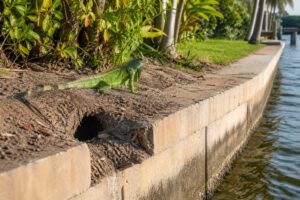
Iguanas are known for digging burrows to create shelter and lay eggs. These burrows typically appear as small to medium-sized holes in the ground with loose soil around the entrance. In South Florida, you might find these burrows in yards, gardens, or near foundations and retaining walls.
Key characteristics to look for include:
- Hole size: Iguana burrows usually range from 4 to 12 inches in diameter, enough for a large lizard to enter.
- Soil displacement: Loose, fresh soil or dirt mounds piled near the hole are a clear indicator of recent digging.
- Location preference: Iguanas prefer sandy or loose soil in warm, sunny areas but may dig near shaded spots for cooler refuge.
Why Do Iguanas Dig Burrows Near Homes?
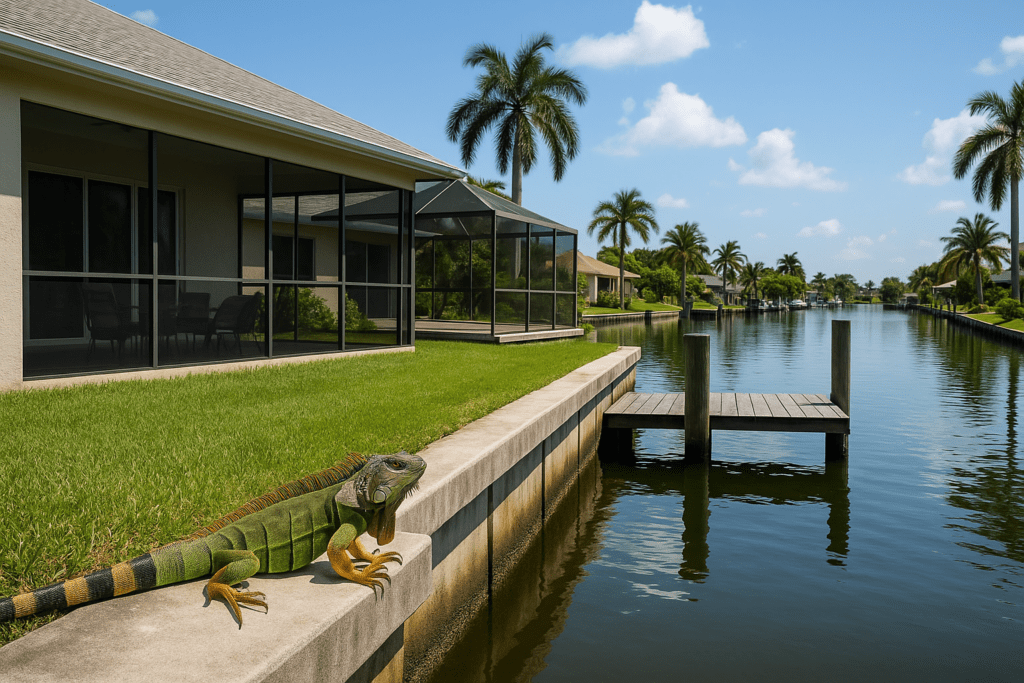
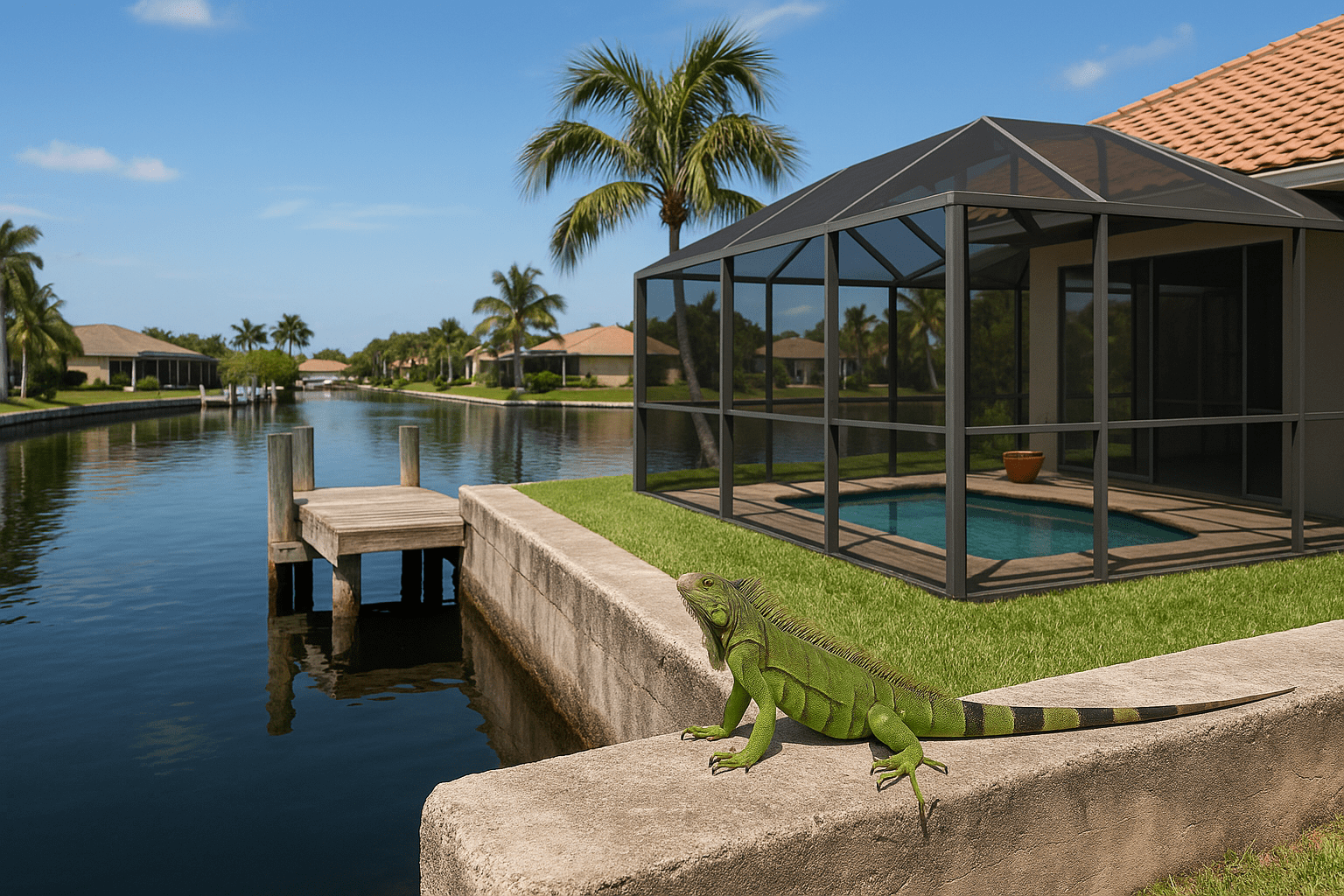
In South Florida’s subtropical climate, iguanas dig burrows primarily for safety and nesting purposes. Burrows offer protection from predators and extreme weather, as well as a secure place to lay eggs during the breeding season. Unfortunately, these holes can sometimes compromise soil stability, leading to property damage.
Common issues caused by iguana burrows include:
- Undermining garden beds, walkways, or patios
- Weakening the structural integrity of retaining walls and foundations
- Damage to irrigation systems or underground utilities
How to Spot Early Signs of Burrow Activity
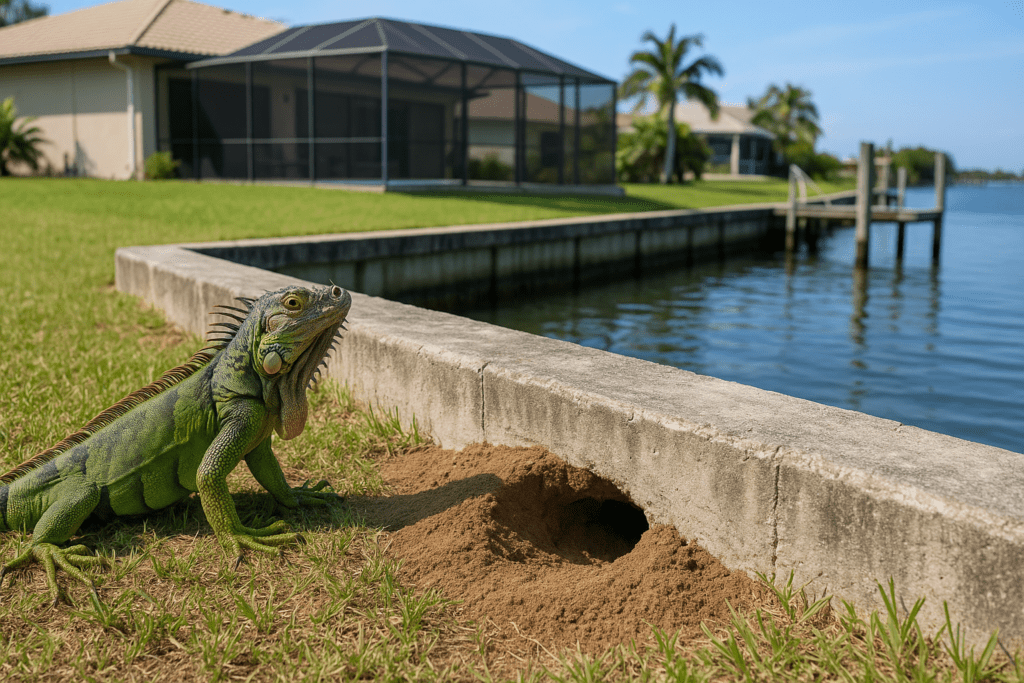
Detecting iguana burrows early prevents costly repairs and keeps your landscaping intact. Watch for these indicators:
- Fresh soil piles: Newly dug dirt near fences, decks, or garden areas suggests recent burrowing.
- Visible holes or tunnels: Small openings in the ground with smooth edges often indicate iguana entry points.
- Tracks or tail marks: Look for distinctive claw marks or tail drag patterns near burrow sites.
- Plant damage: Iguanas may feed near burrows, so chewed leaves or broken stems can be a clue.
Safe and Humane Approaches to Managing Iguana Burrows
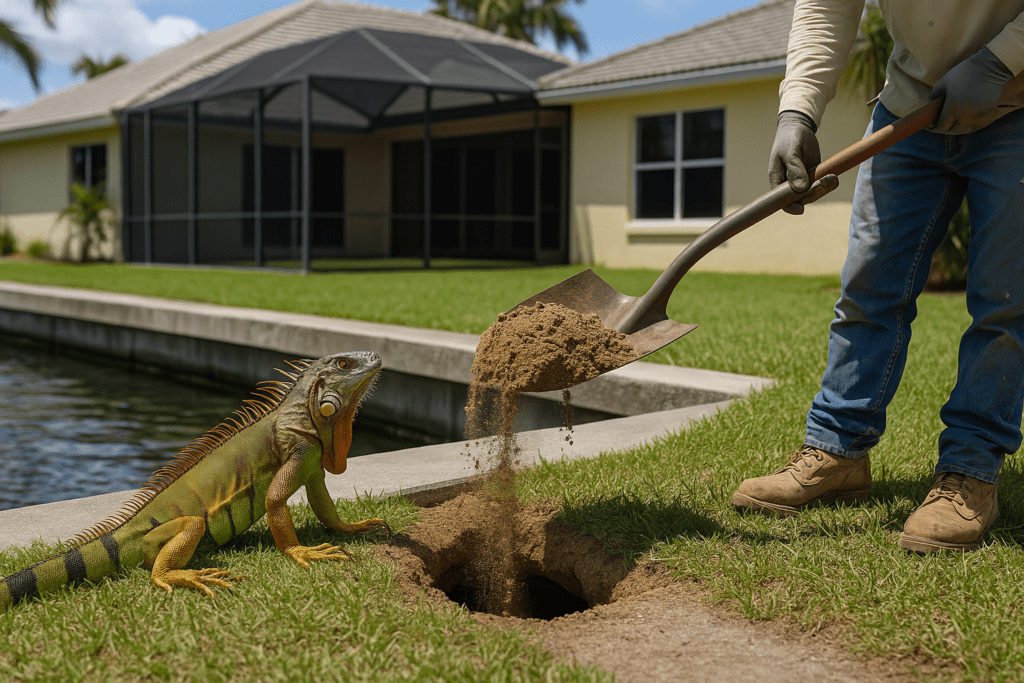
While it’s tempting to try quick fixes, handling iguana burrows requires care to protect both your property and local wildlife. South Florida regulations encourage humane treatment and discourage harming native and non-native species.
Recommended steps include:
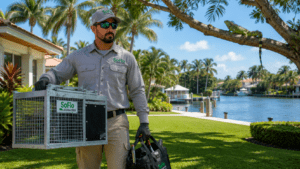
- Contacting wildlife professionals who are licensed and experienced in humane iguana removal
- Using exclusion barriers or habitat modification to discourage digging in sensitive areas
- Setting traps following local guidelines, ensuring bait and trap placement minimize stress to animals
- Avoiding harsh chemicals or methods that could hurt pets, children, or beneficial wildlife
Practical Tips for Preventing Future Burrows
Prevention is often the best strategy to avoid the headaches of iguana burrows. Consider these homeowner-friendly tips:
- Maintain a tidy yard by removing debris and dense shrubbery that may attract iguanas
- Fill existing holes and compact the soil to discourage re-digging
- Install fencing or mesh barriers beneath decks and around garden beds
- Choose landscaping plants that are less appealing to iguanas, such as certain native species
FAQ: Iguana Burrows Near Your South Florida Home
Q: Are iguana burrows dangerous to home foundations?
A: Yes, if left unchecked, burrows near foundations can erode the soil and compromise structural stability over time.
Q: Can I fill iguana burrows myself?
A: Filling holes is helpful but should be combined with professional removal or deterrents to prevent iguanas from digging again.
Q: Is trapping iguanas legal in South Florida?
A: Trapping is legal if done humanely and in accordance with local wildlife regulations. It’s best handled by licensed professionals.
Q: What bait works best for trapping iguanas?
A: Iguanas are attracted to fruits such as mango, papaya, and banana. Bait should be placed carefully to avoid attracting non-target animals.
Q: How can I ensure humane treatment of iguanas during removal?
A: Work with experts who follow ethical protocols, including minimizing stress and relocating iguanas responsibly.
Take Action Early: Protect Your South Florida Home
Spotting early signs of iguana burrows can save you time, money, and stress. If you notice suspicious holes or soil disturbances on your property, don’t wait for the problem to worsen. SoFlo Iguana Pros specializes in humane iguana control and burrow management throughout South Florida. Our team is equipped to assess the situation, provide safe removal, and offer prevention advice tailored to your property.
Call SoFlo Iguana Pros today at (561) 735-1975 to schedule an inspection or learn more about protecting your home from iguana burrow damage. Don’t let these persistent diggers undermine your property—get expert help you can trust.