South Florida residents know all too well how iguanas can become a persistent nuisance in yards and gardens. While trapping is a popular method to manage these invasive reptiles, many homeowners unknowingly make mistakes that delay success and increase frustration. Understanding the key pitfalls in bait choice, trap placement, and handling can save you time and ensure a humane approach.
Choosing the Wrong Bait: A Common Time Sink
One of the most frequent errors in iguana trapping is using ineffective bait. Iguanas are herbivores with distinct preferences, and bait that doesn’t appeal to their eating habits will often go untouched.
Effective bait options in South Florida generally include:
- Fresh fruits like mango, papaya, or berries
- Leafy greens such as collard greens, hibiscus leaves, or kale
- Vegetables like squash or green beans
Avoid processed or sugary bait, which is typically ignored by iguanas. Also, check bait freshness regularly; spoiled bait can deter iguanas and attract unwanted pests.
Improper Trap Placement Limits Success
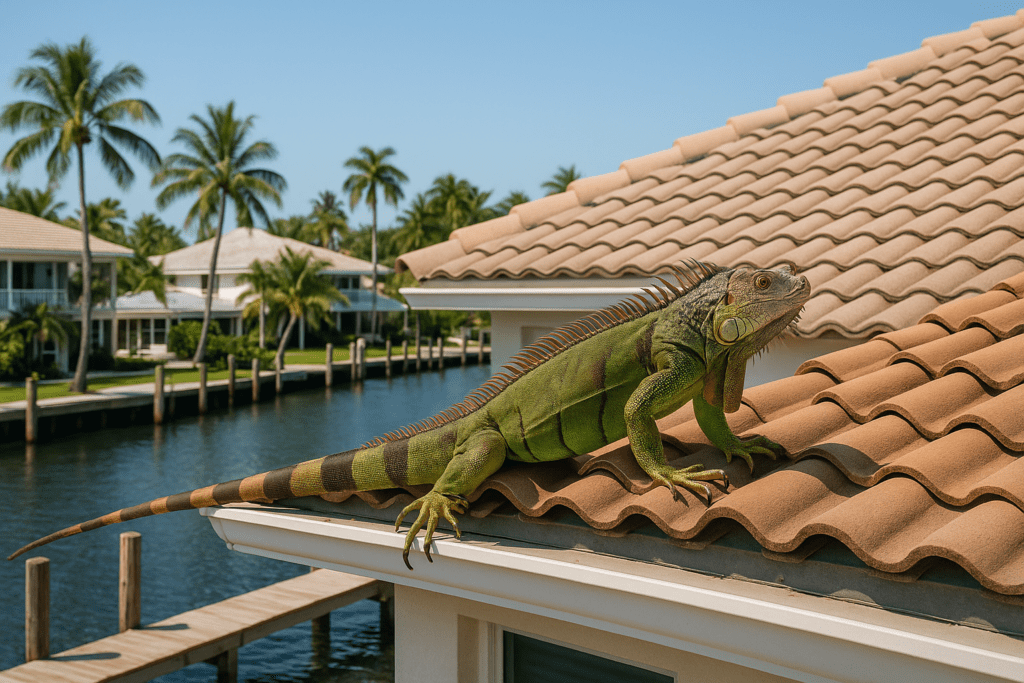
Where you place your iguana trap dramatically affects your capture rate. Setting traps in low-traffic or unsuitable areas means iguanas rarely encounter them.
Tips for optimal trap placement include:
- Identify active iguana feeding or basking spots in your yard.
- Position traps near shrubbery or thick vegetation where iguanas feel safe.
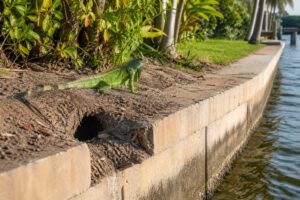
- Place traps along established iguana pathways or near their burrows.
- Avoid overly exposed or noisy areas that may scare the animals away.
Regularly monitoring and adjusting trap locations based on iguana activity can improve results.
Ignoring Trap Maintenance and Setup Details
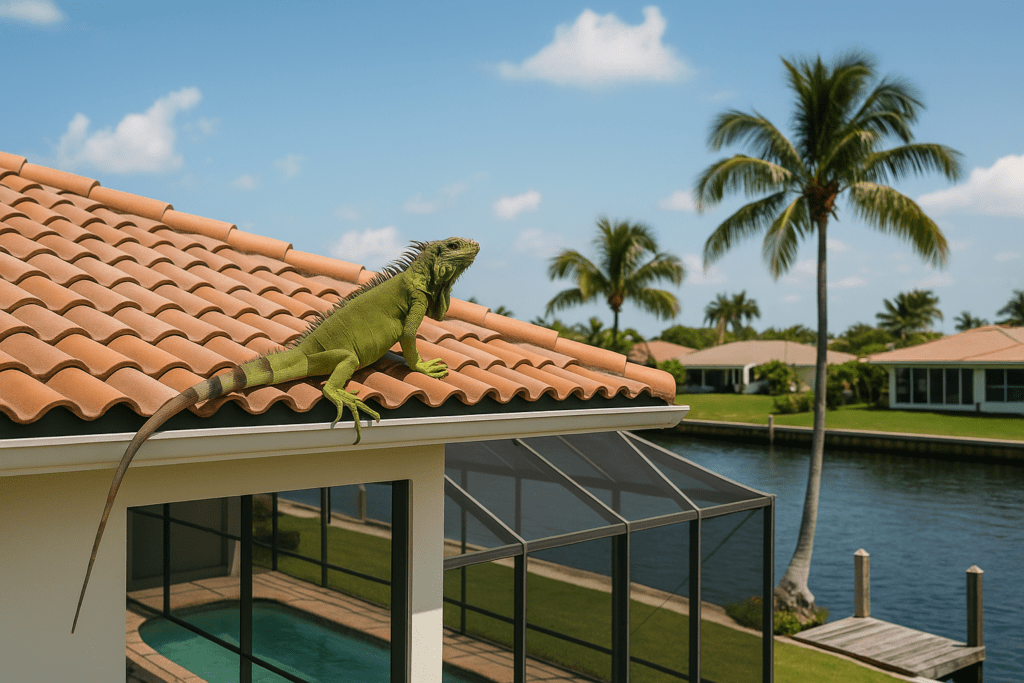
Even the best traps can fail if not properly maintained or set up. Common mistakes include poorly secured doors, malfunctioning triggers, or traps that are too large or small for the local iguana population.
Ensure your trap:
- Has a sensitive but reliable trigger mechanism
- Is stable and won’t tip over when triggered
- Is clean and free from human scent that might deter cautious iguanas
- Matches the size of typical South Florida iguanas, which can vary but often exceed 4 feet in length
Overlooking Safety and Humane Handling Protocols
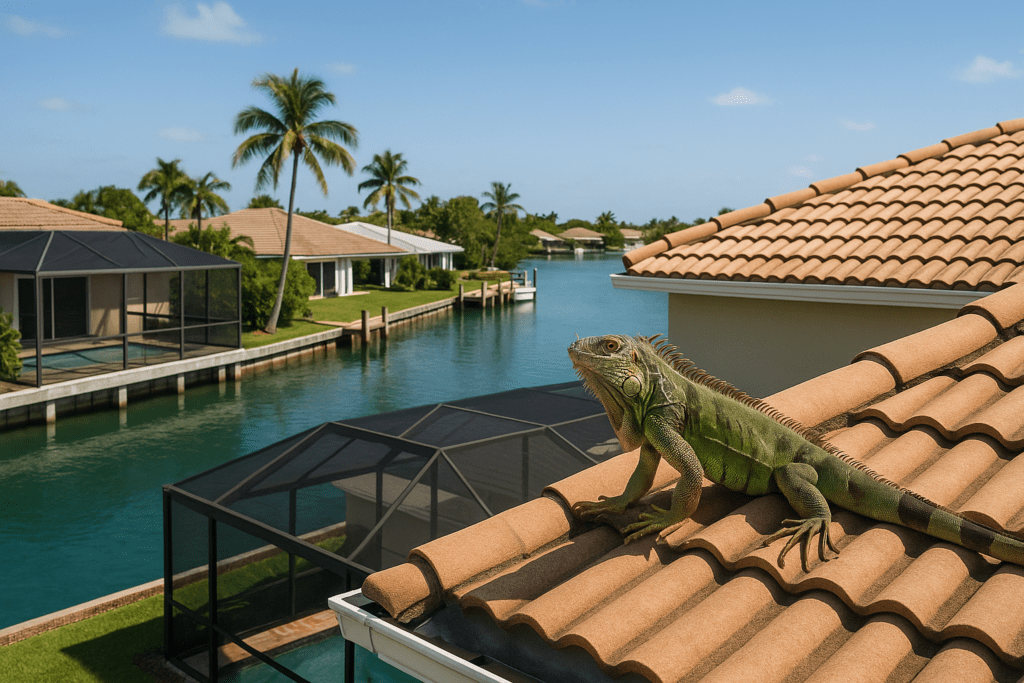
South Florida regulations emphasize humane trapping and wildlife control. Neglecting safety or humane treatment risks harm to iguanas and legal consequences.
Keep these best practices in mind:
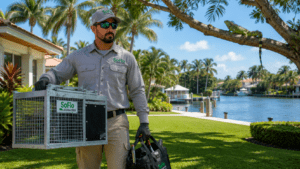
- Wear gloves and protective clothing when handling traps to avoid bites or scratches.
- Check traps frequently to minimize stress and exposure for captured iguanas.
- Comply with local wildlife laws, including proper relocation or notification procedures.
- Never release iguanas in unauthorized areas, as this perpetuates ecological problems.
Misunderstanding Iguana Behavior Patterns
Trapping success hinges on a solid understanding of iguana habits. Iguanas are most active during warm daylight hours and often retreat during rain or cooler temperatures.
Consider these behavioral insights:
- Set traps early morning when iguanas emerge to forage.
- Remove obstacles around traps that might block their path or create shadows.
- Be patient—iguanas may require several days to approach an unfamiliar object like a trap.
FAQ: Iguana Trapping Challenges in South Florida
Q: How often should I check my iguana trap?
A: Check traps at least twice daily to reduce stress on captured animals and comply with humane standards.
Q: Can I use live bait to attract iguanas?
A: No, iguanas are herbivores and live animal bait is neither effective nor humane.
Q: What should I do if I catch a large iguana?
A: Handle with care using protective gloves, and contact a professional for safe removal and relocation guidance.
Q: Are there legal restrictions on iguana trapping in South Florida?
A: Yes, it’s important to follow local regulations that govern trapping methods and relocation to protect native wildlife and ecosystems.
Conclusion: Efficient and Humane Iguana Trapping Starts with Avoiding Common Mistakes
By selecting the right bait, positioning traps strategically, maintaining equipment, and respecting iguana behavior and legal requirements, South Florida homeowners can improve trapping outcomes while promoting humane wildlife control. For expert assistance and trusted iguana removal services in South Florida, contact SoFlo Iguana Pros at (561) 735-1975. Our team understands local challenges and is dedicated to safe, effective solutions that protect your property and the environment.