
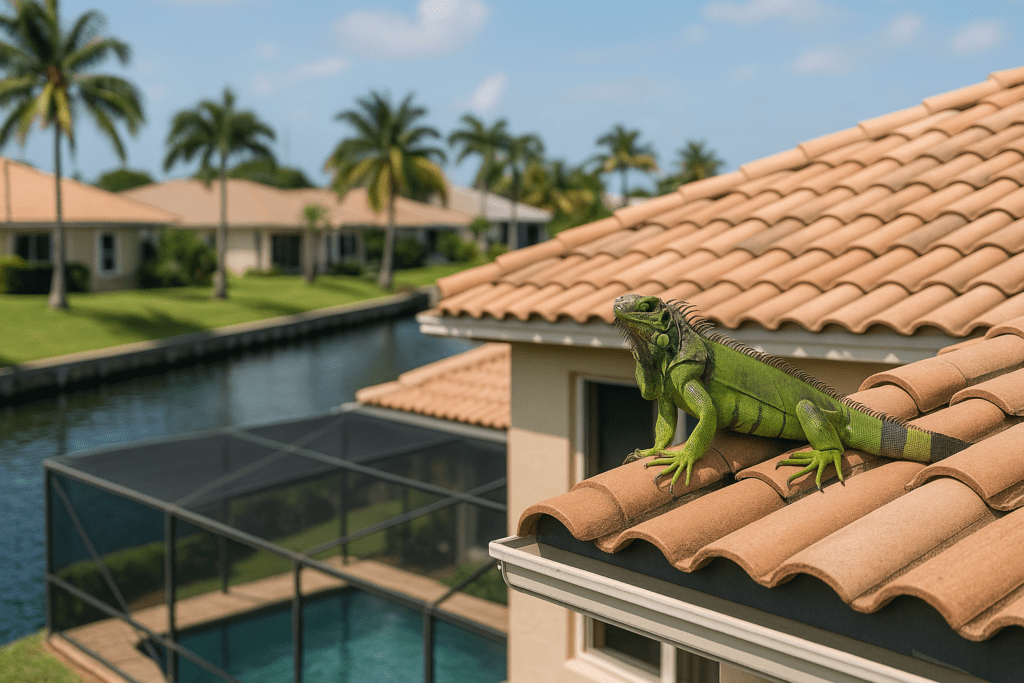
Living in South Florida means sharing your outdoor space with the vibrant but sometimes troublesome green iguana. If you’re dealing with iguanas invading your garden or property, trapping is a common humane method to control their population. One crucial factor in successful trapping is choosing the right bait. In this guide, we’ll explore which fruits and leafy greens work best and share practical advice on setting traps effectively and safely.
Why Bait Selection Matters for Iguana Trapping
Iguanas are primarily herbivores, and their diet preferences influence what bait will lure them into traps. Using the wrong bait can lead to frustration, wasted time, and even unsafe attempts to catch these quick reptiles. The right bait not only increases the chances of capture but also ensures the process is humane and stress-free for the animal.
Top Fruits That Attract Iguanas
Among fruits, iguanas show a strong preference for sweet, juicy options. In South Florida, where mango trees grow abundantly, mango is often the go-to bait. Its bright color and sweet scent are irresistible to iguanas. Here are some fruits that consistently work well:
- Mango: Fresh, ripe mango chunks or slices are highly attractive.
- Papaya: Its sweetness and soft texture appeal to iguanas.
- Banana: Although less preferred than mango, banana pieces can still be effective.
- Melon: Cantaloupe or honeydew can be good secondary options.
When using fruit bait, make sure to replace it frequently to avoid spoilage and unwanted pests.
Leafy Greens: The Natural Choice

In addition to fruits, iguanas naturally consume a variety of leafy greens. Incorporating fresh greens into your bait strategy not only mimics their natural diet but can also prolong their interest in the trap. Effective leafy greens include:
- Collard Greens: Thick, sturdy leaves that iguanas find tasty.
- Kale: Nutrient-rich and popular among herbivores.
- Mustard Greens: Their slightly peppery flavor appeals to some iguanas.
- Turnip Greens: Another leafy option that iguanas readily eat.
Combining leafy greens with fruit bait can increase the trap’s success rate, especially during hotter months when iguanas seek hydration and fresh food.
How to Set Up Iguana Traps Effectively

Choosing the right bait is just one piece of the puzzle. Trap placement and setup are equally important:
- Select the right trap: Use a live-catch cage trap sized appropriately for green iguanas.
- Placement: Position traps near areas iguanas frequent, such as shaded spots, garden beds, or near water sources.
- Bait arrangement: Place bait at the back of the trap to encourage full entry.
- Check traps regularly: Inspect traps daily to minimize stress on captured animals and prevent spoilage of bait.
Always wear gloves when handling traps or iguanas, and avoid direct contact to reduce stress and potential injury.
Humane Handling and Legal Considerations in South Florida
South Florida has specific regulations regarding iguana trapping and removal. It’s important to follow local wildlife laws and ensure humane treatment throughout the process:
- Use live traps to avoid harm.
- Do not relocate iguanas illegally; consult local authorities for proper release guidelines.
- Handle captured iguanas gently to prevent injury.
- Consider professional wildlife services for safe, legal removal.
Respecting these guidelines protects both you and the local ecosystem.
Common Challenges and How to Overcome Them
Even with the best bait, iguana trapping can be tricky. Some common obstacles include:
- Trap shyness: Iguanas may avoid traps if they associate them with danger. Changing bait type or trap location can help.
- Non-target animals: Other wildlife might be attracted to bait. Use trap designs that limit access and check traps often.
- Weather effects: Rain or heat can spoil bait quickly. Choose bait with longer shelf life or replace frequently.
Adapting your approach based on conditions and iguana behavior improves your chances of success.
FAQ: Iguana Bait and Trapping Tips
Q: Can I use vegetables instead of fruit as bait?
Yes, leafy greens like collard and mustard greens are effective and sometimes preferred by iguanas.
Q: How often should I replace the bait?
Replace bait every 24-48 hours to maintain freshness and avoid attracting unwanted pests.
Q: Is it safe to handle iguanas after trapping?
Always wear gloves and handle iguanas carefully to reduce stress and prevent injury.
Q: Can I trap iguanas myself legally in South Florida?
Yes, but you must follow local wildlife regulations and humane treatment practices.
Q: What if the bait isn’t attracting any iguanas?
Try switching bait types or relocating your trap to areas with higher iguana activity.
Ready to Tackle Your Iguana Problem?
Effective trapping starts with the right bait choices and humane, legal methods. In South Florida, using ripe mangoes, fresh papaya, and leafy greens like collard or kale can significantly improve your success. If you need expert assistance, SoFlo Iguana Pros is here to help. Our professionals understand local iguana behavior and regulations, ensuring safe and effective removal. Call us at (561) 735-1975 for reliable iguana trapping and control services across South Florida.