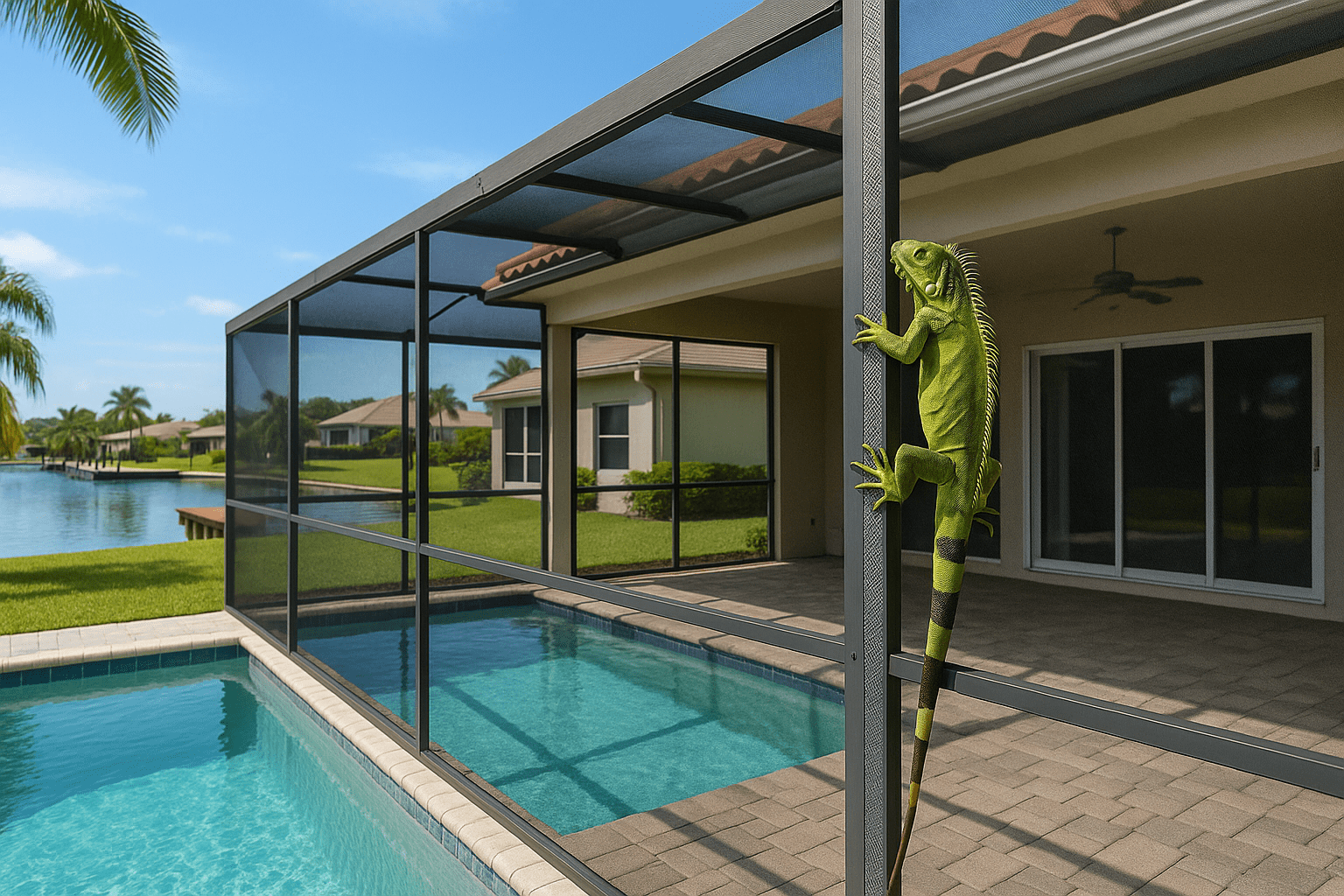
In South Florida, baby iguanas have become a common sight in many neighborhoods. While adult iguanas are often easier to trap due to their size and habits, juvenile iguanas present unique challenges. Understanding why baby iguanas are harder to catch and how to approach trapping them safely and humanely is essential if you’re dealing with these little reptiles on your property.
Understanding Juvenile Iguana Behavior
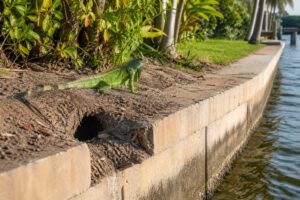
Baby iguanas, also called juveniles, are much smaller and more agile than their adult counterparts. They often hide in dense vegetation or small crevices, making them difficult to spot and trap. Unlike adults, juveniles are more wary and quick to dart away at the slightest disturbance. Recognizing these behavioral differences is key when setting up any trapping strategy.
Why Small Traps Are Not Always the Best Solution

It might seem logical to use smaller traps for baby iguanas, but small traps often come with limitations. Juvenile iguanas can squeeze through tiny gaps or avoid trigger mechanisms designed for larger animals. Additionally, very small traps may increase the risk of injury or stress to the iguana, which conflicts with humane handling practices important in South Florida.
Instead, professional-grade traps designed for iguanas balance sensitivity and size, allowing for safer capture of juveniles without harm. This is why experienced trappers often adjust their equipment rather than simply downsizing.
Effective Trap Setup Tips for Juvenile Iguanas

Proper trap placement and bait selection are crucial to successfully trapping baby iguanas. Here are some practical tips:
- Location: Place traps near known juvenile hiding spots such as thick shrubs, garden beds, or shaded areas.
- Camouflage: Use natural cover or leaves to conceal traps, reducing the iguana’s suspicion.
- Bait: Baby iguanas prefer tender leaves, fruits like mango or papaya, and flowers. Fresh and appealing bait draws them closer.
- Trigger sensitivity: Ensure traps are calibrated to activate with lighter pressure to catch smaller iguanas.
Adjusting these factors helps improve trapping success while maintaining humane standards.
Safety and Humane Handling Considerations

Trapping any wildlife in South Florida, including juveniles, requires attention to safety and humane treatment. Avoid traps that could injure the iguana or cause excessive stress. Check traps frequently to reduce the time the animal spends confined. Always follow local wildlife regulations, which emphasize proper handling and relocation procedures.
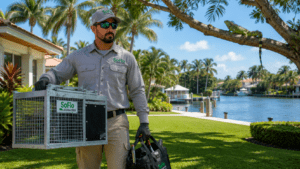
If you are uncertain or have a large number of juveniles to manage, consulting a licensed professional like SoFlo Iguana Pros is advised to ensure compliance and animal welfare.
Common Challenges When Trapping Baby Iguanas
Several factors make juvenile iguanas especially tricky to capture:
- Size and agility: Their small size lets them slip through gaps and escape smaller traps.
- Wariness: Increased skittishness means they detect and avoid traps more easily.
- Environmental cover: Dense foliage and hiding spots protect them from easy access.
- Trap sensitivity: Many traps are not designed to activate with the light touch of a baby iguana.
Understanding these challenges helps homeowners set realistic expectations and choose effective strategies.
FAQ: Baby Iguanas and Trapping in South Florida
Q: Can I use the same traps for baby iguanas as for adults?
A: It’s best to use traps calibrated for smaller animals or professional traps that can be adjusted, rather than just smaller-sized traps.
Q: Are baby iguanas dangerous to handle?
A: Juveniles are less aggressive but can still bite or scratch if stressed. Proper handling techniques are crucial to minimize risk.
Q: Is trapping and relocating iguanas legal in South Florida?
A: Yes, but it must be done humanely and according to local wildlife regulations. Some areas have specific rules about relocation.
Q: How often should I check my iguana traps?
A: Traps should be checked at least twice daily to reduce stress and prevent harm to trapped animals.
Conclusion: Partner With SoFlo Iguana Pros for Juvenile Iguana Control
Baby iguanas add complexity to South Florida’s wildlife control efforts. Their small size, alert behavior, and specific habitat preferences mean that trapping juveniles requires patience, skill, and the right equipment. SoFlo Iguana Pros specializes in humane, effective iguana trapping and removal tailored to South Florida’s unique environment.
If you’re facing challenges with baby iguanas on your property or want expert advice on safe trapping techniques, call SoFlo Iguana Pros at (561) 735-1975. Our team is dedicated to helping homeowners manage iguana populations responsibly while protecting local wildlife and neighborhoods.