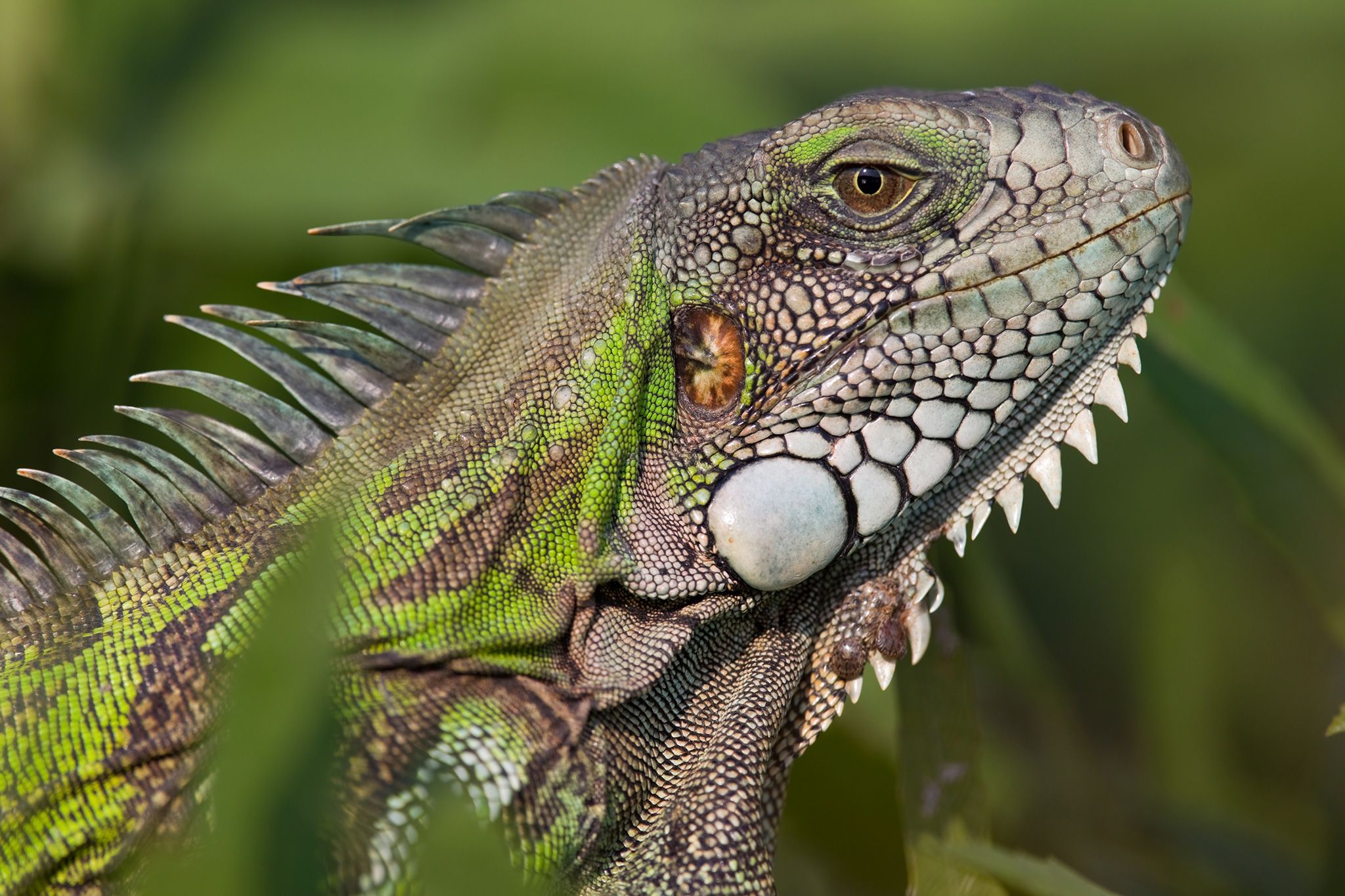
South Florida’s warm climate has made it an ideal environment for invasive green iguanas to thrive, often leading to conflicts with homeowners and local ecosystems. If you’re dealing with persistent iguana problems, it’s important to understand the legal framework surrounding their removal and relocation. Navigating Florida’s wildlife regulations while ensuring humane treatment is essential to avoid legal pitfalls and protect the community.
Understanding Florida’s Iguana Relocation Laws
Green iguanas are not native to Florida but are considered an invasive species. Despite their abundance, relocating iguanas is regulated under state wildlife laws. The Florida Fish and Wildlife Conservation Commission (FWC) oversees these rules to prevent ecological disruption and ensure animal welfare.
Key legal points include:
- Capturing iguanas without proper authorization can violate state regulations.
- Relocating iguanas to new areas is generally prohibited to avoid spreading invasive populations.
- Only licensed wildlife professionals or authorized personnel may trap and relocate iguanas legally.
Homeowners should never attempt to transport or release iguanas themselves as it may lead to fines and ecological harm.
Florida Wildlife Regulations Impacting Iguana Control
The FWC classifies green iguanas as a species of “prohibited live wildlife” in certain contexts, meaning strict rules govern their capture and movement. These regulations are designed to:
- Protect native species and habitats from invasive competition.
- Prevent the accidental spread of iguanas to new environments.
- Ensure humane treatment during trapping and handling.
Violations of these regulations can result in penalties including fines or other legal actions. Understanding these laws helps homeowners stay compliant and supports responsible wildlife management.
Humane Removal Practices for Iguanas
Humane treatment is not only a legal requirement but also a moral responsibility. When dealing with iguana removal, consider the following best practices:
- Use live traps designed to minimize stress and injury.
- Select bait that attracts iguanas without harming them, such as fresh fruits or vegetables.
- Check traps frequently to avoid prolonged confinement.
- Handle iguanas gently and with appropriate protective gear to reduce stress and prevent injury to both the animal and handler.
These methods align with state guidelines and help ensure the iguanas are treated respectfully throughout the removal process.
Practical Tips for Safe and Legal Iguana Trapping
Setting up an effective and lawful iguana trap requires attention to detail and adherence to regulations. Here are some tips for South Florida residents:
- Trap Placement: Position traps in shaded areas frequented by iguanas, such as near gardens or walls where they bask.
- Bait Selection: Use ripe mangoes, papayas, or leafy greens to lure iguanas without attracting unwanted animals.
- Trap Monitoring: Check traps multiple times a day to reduce stress and comply with humane standards.
- Safety Precautions: Wear gloves and long sleeves when handling traps and iguanas to avoid bites or scratches.
- Legal Compliance: Confirm you have the necessary permissions or hire professionals trained in legal iguana control.
Remember, improper trapping or relocation can unintentionally violate state laws and worsen invasive species problems.
Why Professional Iguana Removal Matters in South Florida
Due to the complexity of Florida’s wildlife regulations and the challenges of humane iguana handling, many homeowners benefit from hiring licensed experts. Professionals bring:
- Knowledge of current laws and permits required for trapping or relocation.
- Specialized equipment that ensures humane capture and minimal stress.
- Experience reducing iguana populations safely without harming local ecosystems.
- Guidance on long-term prevention strategies to protect your property.
Partnering with trained wildlife control specialists helps ensure your iguana concerns are addressed responsibly and legally.
FAQ: Common Questions About Iguana Relocation Laws
Q1: Can I legally capture and relocate an iguana on my property?
A1: In most cases, homeowners cannot legally relocate iguanas themselves. Only authorized professionals with proper permits may perform relocations to comply with Florida laws.
Q2: Are there penalties for releasing an iguana in a new location?
A2: Yes, releasing iguanas in unauthorized areas can lead to fines and legal consequences as it promotes the spread of this invasive species.
Q3: What is the safest way to remove iguanas from my yard?
A3: Use humane live traps monitored frequently, and consider hiring licensed wildlife removal experts to ensure compliance and safety.
Q4: Is it legal to euthanize iguanas caught on my property?
A4: Euthanasia of invasive wildlife requires strict adherence to state regulations and is generally performed only by licensed professionals.
Q5: How often should traps be checked?
A5: Traps should be checked at least once or twice daily to minimize animal stress and comply with humane guidelines.
Conclusion: Responsible and Legal Iguana Control in South Florida
Managing iguana issues in South Florida demands a careful balance of legal knowledge and humane handling. The state’s wildlife laws exist to protect ecosystems and ensure invasive species like iguanas are managed responsibly. For homeowners facing iguana challenges, partnering with experienced professionals like SoFlo Iguana Pros is the safest and most effective approach.
Contact SoFlo Iguana Pros at (561) 735-1975 for expert guidance and legal, humane iguana removal services throughout South Florida. We prioritize compliance with Florida regulations while protecting your property and local wildlife.