South Florida residents often encounter iguanas in their yards and neighborhoods. While these reptiles can become a nuisance, it’s essential to handle and transport trapped iguanas humanely and legally. Improper handling can stress the animals and risk injury to both the iguana and the handler. This guide provides practical, safe, and law-abiding advice for homeowners and wildlife professionals managing trapped iguanas in South Florida.
Understanding the Importance of Humane Iguana Handling
Iguanas are wild animals that can become stressed and defensive when trapped. Humane handling minimizes stress and injury, preserving the animal’s wellbeing during removal and transport. In South Florida, where iguanas have become widespread, ethical wildlife control helps balance community needs with animal welfare.
Handling iguanas gently reduces the risk of bites, scratches, and tail whipping, which are natural defense mechanisms. By applying careful techniques, handlers ensure safer outcomes for everyone involved.
Preparing for Safe Iguana Transport
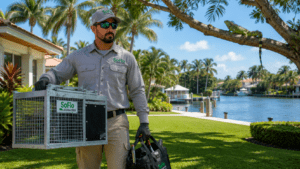
After trapping an iguana, preparing an appropriate transport container is crucial. The container should:
- Be well-ventilated but secure to prevent escapes
- Provide enough space for the iguana to lie comfortably without excessive movement
- Include a soft lining, such as a towel, to cushion the animal and prevent injury
- Be opaque or covered to reduce visual stress
Transporting iguanas in harsh weather conditions should be avoided. During hot South Florida days, ensure the container does not overheat, and in cooler weather, avoid exposing the iguana to cold drafts.
Legal Considerations for Iguana Handling in Florida
Florida regulations require that anyone trapping or relocating iguanas complies with state laws. Iguanas are not protected native species, but certain rules govern their capture and transport to prevent ecological harm and animal cruelty. It’s important to:
- Use legal, humane traps approved for iguana capture
- Avoid releasing trapped iguanas back into the wild or onto other properties, as this may violate local ordinances and contribute to invasive population spread
- Contact licensed professionals for removal and relocation when necessary
Adhering to these laws protects both the handler and the local environment.
Best Practices for Trap Handling and Iguana Removal
Setting and checking traps correctly reduces stress for iguanas and improves safety. Key tips include:
- Use bait such as fresh fruit or leafy greens to attract iguanas effectively.
- Check traps frequently, at least twice daily, to minimize the time iguanas spend confined.
- Wear protective gloves and long sleeves to guard against bites and scratches during trap inspection.
- Approach trapped iguanas calmly and confidently to avoid startling them.
- Employ gentle handling to remove the iguana from the trap, supporting its body and avoiding the tail.
Following these steps helps maintain safety and humane treatment throughout the process.
Handling Stress and Safety During Transport
Once secured in the transport container, keep the iguana calm by:
- Limiting noise and sudden movements around the container
- Keeping the container shaded and at a stable temperature
- Minimizing transport time to reduce stress
Upon arrival at the relocation or processing site, handle the iguana with the same care used during capture. Always consult local wildlife professionals if you’re unsure about transport or release protocols.
FAQ: Humane Handling and Transport of Iguanas
Q1: Can I release a trapped iguana anywhere in South Florida?
A1: No. Releasing iguanas in new locations can spread invasive populations and may violate local laws. Always follow legal guidelines and seek professional assistance.
Q2: How often should I check iguana traps?
A2: Check traps at least twice daily to reduce stress and prevent injury to trapped iguanas.
Q3: What protective gear should I use when handling iguanas?
A3: Wear thick gloves and long sleeves to protect against bites and scratches.
Q4: What is the best bait for trapping iguanas?
A4: Fresh fruits like mango, papaya, or leafy greens are effective baits for attracting iguanas.
Q5: How can I ensure the iguana’s safety during transport?
A5: Use a secure, ventilated container with soft lining, keep the container shaded, and avoid excessive noise or movement.
Conclusion and How SoFlo Iguana Pros Can Help
Managing iguanas in South Florida requires careful attention to humane handling, safe transport, and compliance with local regulations. Whether you’re a homeowner dealing with persistent iguanas or a property manager seeking responsible removal, following best practices protects wildlife and people alike.
For expert assistance grounded in ethical wildlife control, contact SoFlo Iguana Pros at (561) 735-1975. Our experienced team specializes in humane iguana trapping, handling, and removal services tailored to South Florida’s unique environment. Let us help you manage iguana challenges with professionalism and care.