South Florida homeowners often face the challenge of managing invasive green iguanas that disrupt gardens, damage property, and create safety hazards. Trap-and-release is a popular method for iguana control, but setting up traps incorrectly can lead to failed captures or harm to the animals and people around. In this guide, we’ll walk you through the most common iguana trap setup mistakes and share practical advice to help you trap safely and humanely while complying with local regulations.
Choosing the Wrong Trap Type
One of the earliest errors in iguana trapping is selecting a trap that isn’t suited for these reptiles. Iguanas are strong, quick, and wary, so traps designed for small mammals or birds won’t work well. Box traps or cage traps with solid, sturdy frames and a sensitive trigger mechanism are ideal. Avoid flimsy wire traps or homemade designs that can injure the animal or malfunction.
In South Florida, where iguanas are abundant, investing in a well-constructed live trap designed for medium-sized reptiles will increase your chances of successful capture and minimize stress on the iguana.
Improper Trap Placement
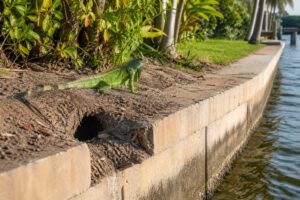
Where you set your trap is just as important as the trap itself. Common mistakes include placing traps in broad open areas or too close to human activity, which makes iguanas suspicious or scared away. The best locations are near known iguana feeding spots, burrows, or travel paths, such as under leafy shrubs, near fruit trees, or close to walls they use as cover.
Also, ensure the trap is stable and level. An unstable trap might tip over or fail to trigger correctly. Check for obstacles that could block the door or trap mechanism.
Using Ineffective Bait
Bait selection can make or break your iguana trapping efforts. Iguanas primarily feed on leaves, fruit, and flowers, so meat or processed foods won’t attract them. Popular baits include fresh mango, papaya, hibiscus flowers, or collard greens.
A common mistake is using bait that is either too old, dried out, or placed in a way that the iguana can grab it without triggering the trap. Place bait at the back of the trap to encourage full entry and set it fresh daily during trapping attempts.
Neglecting Trap Safety and Animal Welfare
Failing to check traps regularly can cause undue stress or injury to trapped iguanas. Leaving a trap unattended for extended periods, especially in hot South Florida weather, risks overheating or dehydration.
Always monitor traps at least twice a day and provide shade if possible. Avoid handling iguanas roughly; wear gloves and protective clothing as iguanas have sharp claws and tails. Humane and legal considerations are crucial—South Florida has regulations governing iguana trapping and removal, so ensure you are compliant.
Ignoring Local Regulations and Ethical Handling
Using traps without understanding local wildlife laws can lead to penalties or ecological issues. In South Florida, iguanas are considered invasive, but rules exist for humane trapping and removal methods. Never relocate iguanas outside your property or release them elsewhere — this is illegal and harmful to native ecosystems.
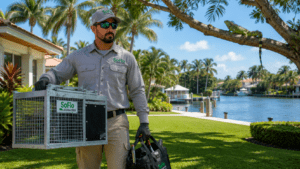
Contacting professional services specializing in humane wildlife control can ensure your efforts align with legal requirements and animal welfare standards.
Failing to Prepare for Trap Monitoring and Follow-Up
Trap setup is only part of the process. Homeowners often underestimate the commitment needed for monitoring and follow-up. Traps should be checked morning and evening to reduce stress on captured iguanas and prevent escape or injury.
After capture, iguanas must be handled properly and disposed of humanely if removal is necessary. Improper handling can result in bites, scratches, or escape, undoing your trapping work.
FAQ: Iguana Trap Setup and Control in South Florida
Q1: How often should I check my iguana trap?
At minimum, check traps twice daily to prevent stress and avoid heat exposure. Morning and late afternoon are ideal.
Q2: What bait works best for catching iguanas?
Fresh fruits like mango or papaya, leafy greens such as collard greens, and hibiscus flowers attract iguanas effectively.
Q3: Can I relocate captured iguanas to another location?
No. Relocating iguanas is illegal in South Florida and can harm local ecosystems. Follow legal removal procedures instead.
Q4: Are iguana traps dangerous to pets or children?
Traps can pose risks if not placed securely. Always position traps away from areas accessible to pets or children and use signage if necessary.
Q5: When should I call a professional for iguana control?
If you face persistent iguana problems, have difficulty setting traps, or want to ensure humane and legal handling, professional wildlife control services like SoFlo Iguana Pros can help.
Conclusion: Effective and Responsible Iguana Trap Setup
Setting up iguana traps in South Florida requires attention to detail, knowledge of local wildlife habits, and adherence to humane and legal standards. Avoid common mistakes by choosing the right trap, placing it strategically, using effective bait, and monitoring traps regularly. Remember, safety for both people and iguanas is essential.
If you need expert assistance or prefer a professional approach to iguana control, contact SoFlo Iguana Pros at (561) 735-1975. Serving all of South Florida, we offer humane, reliable wildlife control solutions tailored to your needs.