Waterfront properties in South Florida offer a beautiful habitat not only for residents but also for iguanas seeking shelter and food. When iguana populations grow, managing them safely and humanely becomes essential. One of the most effective ways to control iguanas is through properly placed traps. In this guide, we’ll walk you through how to choose the best locations for iguana traps on waterfront properties, ensuring effective removal while respecting local regulations and wildlife welfare.
Understanding Iguana Behavior on Waterfront Properties
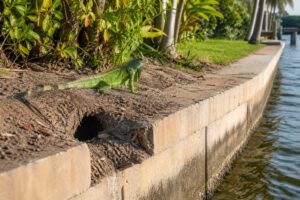
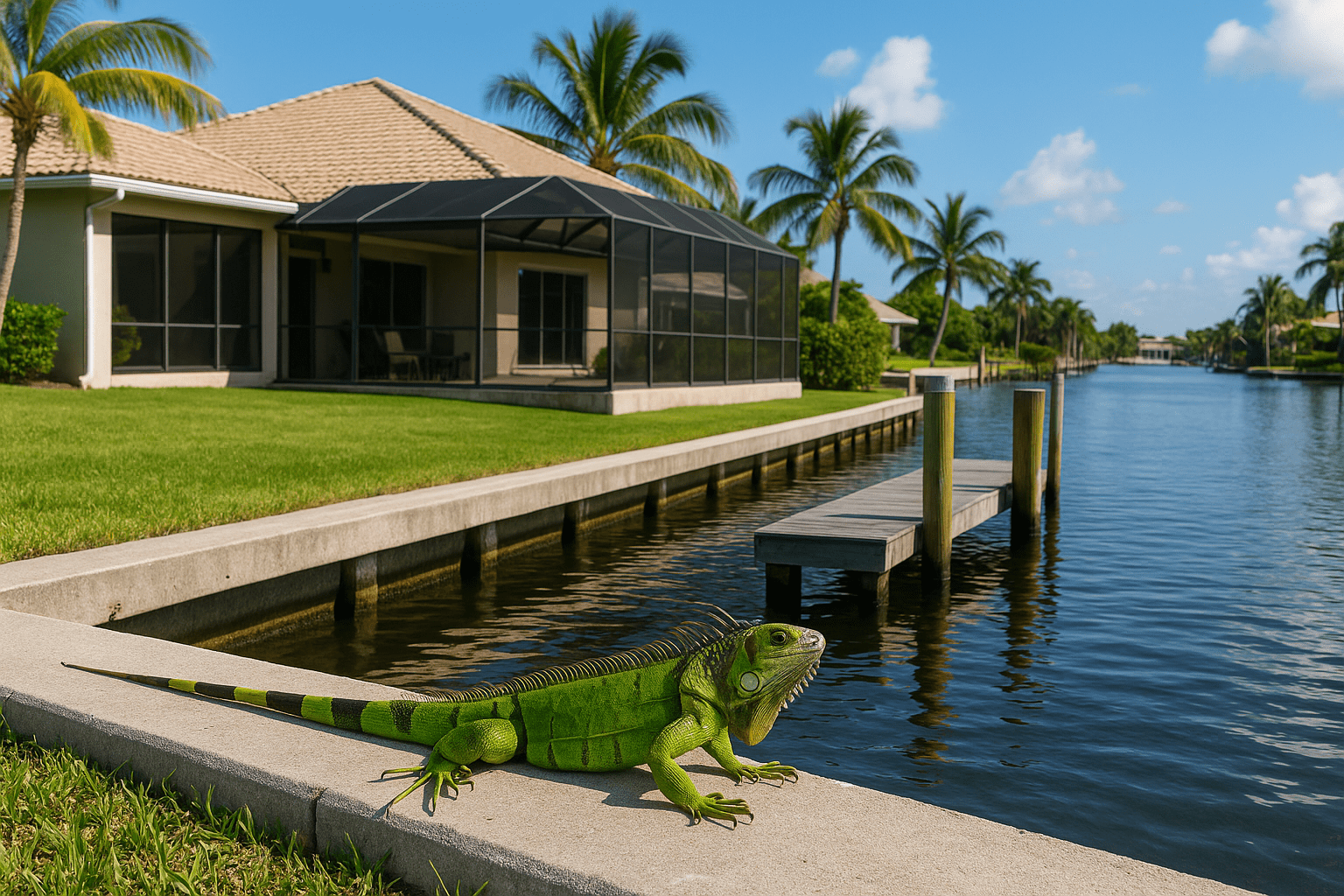
Iguanas thrive in warm, humid environments with abundant vegetation and access to water—conditions typical of South Florida’s waterfront areas. They often bask on docks, hide in mangroves or dense shrubbery, and forage in gardens or lawns. Recognizing their preferred spots is the first step in setting traps that work.
Key behavioral traits to consider include:
- Daily sunning routines on elevated surfaces like docks, rocks, or fences
- Movement paths between water, feeding areas, and shelter
- Feeding preferences for leafy plants, fruits, and flowers
Why Trap Location Matters for Effective Iguana Removal
Placing traps in the wrong spot can result in repeated failures, stressed animals, or even injury. On waterfront properties, the challenge is to select locations that balance accessibility for trapping with minimal disruption to your property and neighbors.
Strategic trap placement helps by:
- Increasing the likelihood that iguanas encounter the trap naturally
- Reducing interference from other wildlife or pets
- Allowing safer monitoring and quicker release or relocation
Top Locations to Set Iguana Traps on Waterfront Properties
Here are the most effective spots to consider when setting iguana traps:
- Near Sunbathing Areas: Iguanas love warming up on docks, rocks, and railings. Placing traps near these spots can catch them during their basking periods.
- Along Common Travel Routes: Identify pathways iguanas use to move between water and feeding zones, such as garden edges or pathways through vegetation.
- Close to Food Sources: If iguanas are feeding on your plants, position traps nearby but hidden to avoid disturbing other animals and pets.
- Under Dense Shrubbery or Mangroves: These shaded, protected areas serve as resting or nesting sites and can be good trap locations.
- Near Water Access Points: Iguanas often enter and exit the water at specific spots; traps placed here can intercept them effectively.
Bait Selection and Trap Setup Tips
Choosing the right bait and setting up your trap correctly enhances success rates. Iguanas are herbivores with a preference for fresh fruits and leafy greens.
- Bait options: Collard greens, mango slices, berries, or hibiscus flowers.
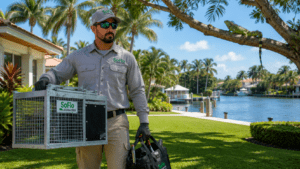
- Trap type: Use humane cage traps designed for iguanas, ensuring the mechanism closes gently but securely.
- Placement: Place bait inside the trap’s far end to encourage full entry.
- Camouflage: Use natural materials around the trap to blend it into the environment without obstructing the entrance.
- Check traps frequently: Regular monitoring minimizes stress and ensures captured iguanas are handled humanely.
Safety and Legal Considerations for Iguana Trapping in South Florida
It’s important to follow local wildlife regulations and humane handling practices when setting traps. South Florida has specific rules regarding the trapping and relocation of iguanas to protect native species and prevent ecological imbalances.
- Only use traps approved for iguana capture.
- Do not attempt to transport or release iguanas in unauthorized areas.
- Contact licensed wildlife professionals for removal and relocation.
- Ensure traps are placed safely to prevent injury to pets, children, or non-target wildlife.
- Wear gloves and protective clothing when handling traps and captured animals.
FAQs About Iguana Trap Placement on Waterfront Properties
How often should I check my iguana traps?
Check traps at least once or twice daily to reduce stress on captured animals and ensure humane treatment.
Can I use homemade traps for iguanas?
Homemade traps may not be effective or humane. It’s best to use professional cage traps designed specifically for iguanas.
What if I catch non-target animals in the trap?
Release non-target animals immediately and adjust trap placement or bait to avoid repeat captures.
Are iguanas dangerous to humans or pets?
Iguanas are generally not aggressive but can bite or scratch if threatened. Keep pets away from traps and captured animals.
Do iguanas damage waterfront property landscaping?
Yes, they can cause significant damage by feeding on plants and digging burrows, which can affect property stability.
Conclusion: Effective Iguana Trap Placement for South Florida Waterfronts
Successfully trapping iguanas on waterfront properties requires a thoughtful approach tailored to their behavior and habitat. By choosing strategic locations near basking sites, travel paths, and food sources, and using humane traps with appropriate bait, homeowners can reduce iguana-related damage safely and responsibly.
For expert assistance with iguana removal in South Florida, trust SoFlo Iguana Pros. Call us today at (561) 735-1975 to schedule a consultation. We specialize in humane, legal, and effective iguana control, protecting both your property and the local ecosystem.