Living in South Florida means sharing your environment with a variety of wildlife, including green iguanas. While these reptiles can be fascinating, their presence on your property can cause damage to landscaping, pools, and even structures. Building a thoughtful iguana prevention plan is essential to protect your home and yard while respecting local wildlife regulations.
Understanding Why Iguana Prevention Matters
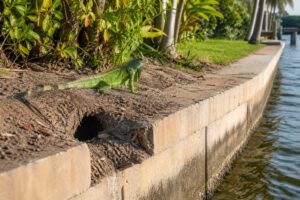
Green iguanas are common in South Florida due to the warm climate and ample vegetation. Although they are non-native, they thrive here and can grow quite large. When iguanas settle in residential areas, they often dig burrows that compromise foundations and irrigation systems. Additionally, their appetite for flowers, young trees, and garden plants can quickly turn a beautiful yard into a challenge for homeowners.
Preventing iguana problems before they escalate saves time, money, and stress. A proactive prevention plan helps reduce iguana visits by making your property less inviting and provides a safer way to manage any existing iguana activity.
Step 1: Conduct a Thorough Property Inspection
Your prevention plan begins with identifying iguana attractants and potential entry points. Walk your property carefully, ideally during daylight when iguanas are active, and look for:
- Signs of burrowing or holes near foundations, pools, or walkways
- Areas with dense vegetation, fruit trees, or garden beds
- Access points such as fences, gates, or open spaces where iguanas can enter
- Water sources like ponds or birdbaths
Document these observations and prioritize problem areas for targeted prevention measures.
Step 2: Modify Your Landscape to Deter Iguanas
Making your yard less appealing to iguanas involves strategic landscaping adjustments. Consider the following:
- Remove or trim dense ground cover where iguanas can hide
- Choose plants that are less palatable to iguanas, such as hibiscus and croton
- Secure fruit trees by regularly harvesting fallen fruit and pruning low-hanging branches
- Reduce excess moisture and standing water which can attract iguanas
These modifications reduce shelter and food sources, discouraging iguanas from settling in.
Step 3: Use Safe and Legal Trapping Techniques
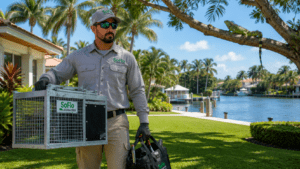
When iguanas are already present, humane trapping may be necessary. It’s important to comply with South Florida wildlife regulations to ensure legal and ethical handling. Here are some best practices:
- Select a well-ventilated, live-capture trap sized appropriately for iguanas
- Place traps near burrows, feeding spots, or travel paths identified during your inspection
- Use bait that appeals to iguanas, such as fresh fruits like mango or melon slices
- Check traps frequently to minimize stress on captured animals
Trapping should be conducted by or in consultation with professionals knowledgeable about humane wildlife control and local laws.
Step 4: Implement Physical Barriers and Deterrents
Complement trapping with physical measures to keep iguanas out:
- Install fencing with small mesh sizes and bury fencing at least 6 inches underground to prevent burrowing
- Use barriers on tree trunks or posts to stop climbing
- Consider motion-activated sprinklers to startle and discourage iguanas
These barriers make your property harder to access and discourage iguanas from returning.
Step 5: Monitor and Adjust Your Prevention Strategy
An effective prevention plan involves ongoing observation and flexibility. Regularly inspect your property for new burrows, damage, or iguana sightings. Adjust your landscaping, trapping locations, or barriers based on what you find. Seasonal changes can also influence iguana behavior, so stay vigilant year-round.
Frequently Asked Questions About Iguana Prevention
Q: Are iguanas dangerous to humans or pets?
A: Iguanas are generally not aggressive and avoid confrontation. However, they can bite or scratch if threatened. Keep pets supervised to avoid unwanted encounters.
Q: Is it legal to trap and relocate iguanas in South Florida?
A: Relocation laws vary by county, and improper handling can harm wildlife or violate regulations. Professional wildlife controllers ensure humane and legal practices.
Q: What are the best baits to use for trapping iguanas?
A: Fresh fruits like mango, papaya, and melon are highly effective. Avoid using harmful substances that could injure the animal.
Q: Can I prevent iguanas by removing all vegetation?
A: Completely removing vegetation is not practical or desirable. Instead, focus on removing specific attractants and maintaining a tidy, less hospitable environment.
Q: How often should I inspect my property for iguana activity?
A: Monthly inspections are recommended, with extra attention during warmer months when iguanas are most active.
Protecting your South Florida property from iguana damage is achievable with a comprehensive, humane, and legal prevention plan. If you need expert guidance or assistance with inspection, safe trapping, and long-term control, contact SoFlo Iguana Pros at (561) 735-1975. Our local professionals are dedicated to helping homeowners maintain beautiful, iguana-free properties while respecting wildlife regulations.