Living in South Florida’s vibrant waterfront neighborhoods means sharing your surroundings with local wildlife—including iguanas. While many appreciate these prehistoric-looking visitors from a distance, their growing populations often create challenges for homeowners. If you’ve ever wondered whether monthly iguana maintenance is necessary or who truly benefits from it, this guide breaks down the essentials for waterfront residents and beyond.
Why Monthly Iguana Maintenance Matters in South Florida
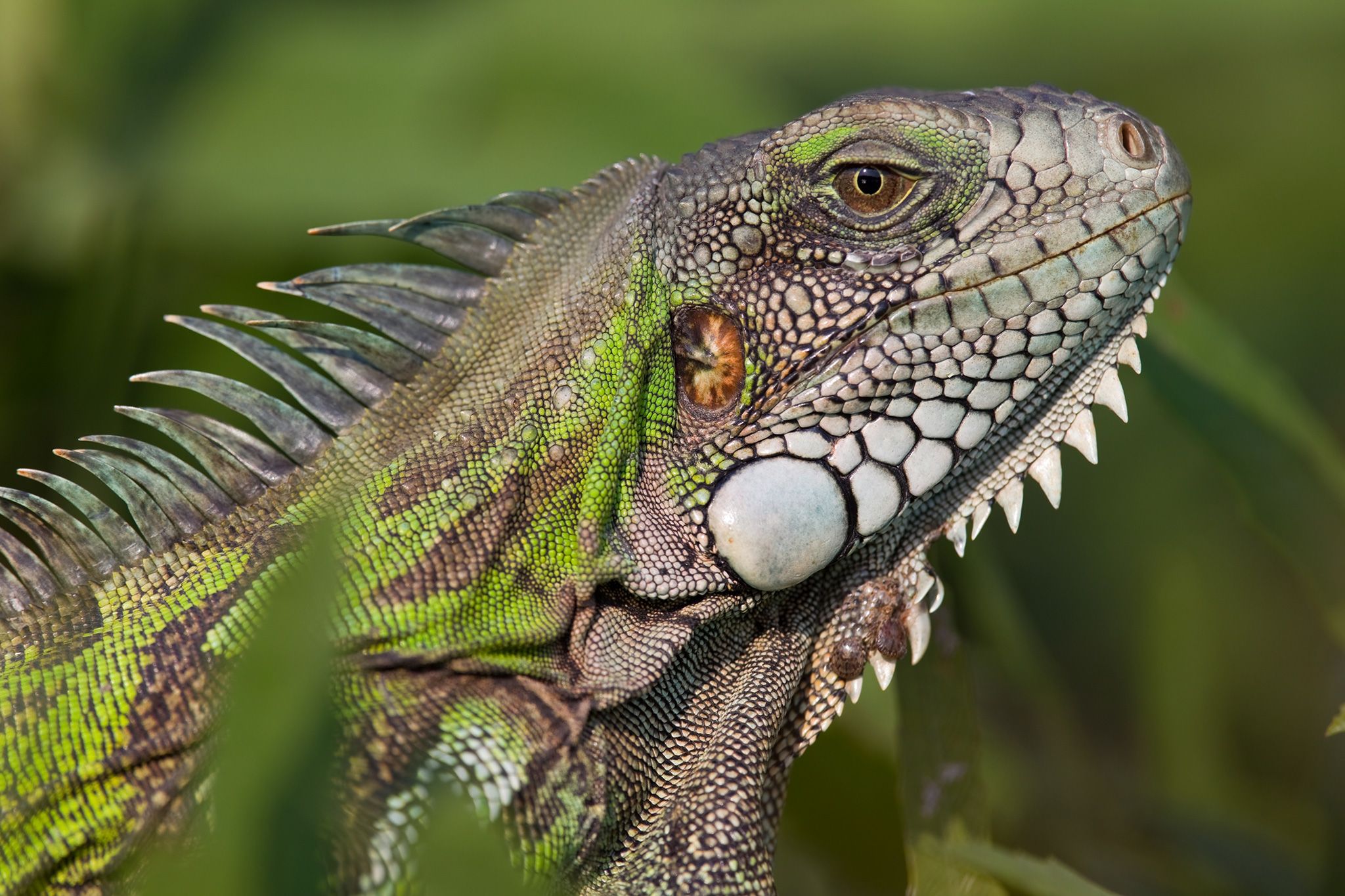
Iguanas thrive in South Florida’s warm climate, especially near canals, lakes, and coastal areas. Their numbers can multiply quickly and cause damage to landscaping, pools, and property structures. Monthly maintenance helps keep their population in check, reducing nuisance issues before they escalate.
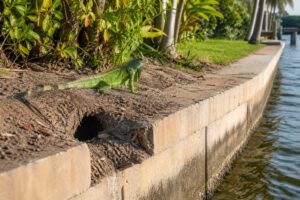
Regular service minimizes the risk of iguanas digging burrows that can undermine foundations or seawalls. It also helps protect native plants and prevents safety hazards caused by encounters with frightened or aggressive animals.
Who Should Consider Monthly Iguana Maintenance?
Not every homeowner needs ongoing iguana control, but certain situations call for routine attention. Consider monthly maintenance if you:
- Live on or near waterfront properties with easy iguana access
- Have extensive landscaping that attracts herbivorous wildlife
- Experience frequent iguana sightings or property damage
- Own pools, ponds, or water features that iguanas use for shelter
- Want proactive, humane wildlife management rather than reactive fixes
Monthly visits allow trained professionals to monitor activity patterns, adjust strategies, and prevent population spikes.
How Monthly Iguana Maintenance Works
Monthly maintenance typically involves:
- Inspection: Assessing iguana presence, damage, and access points.
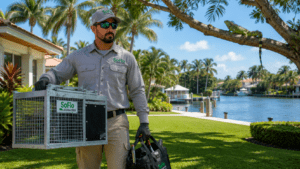
- Humane Trapping: Using specially designed traps with appropriate bait to safely capture iguanas.
- Removal & Relocation: Following South Florida regulations, captured iguanas are relocated to suitable habitats.
- Prevention Advice: Homeowners receive guidance on minimizing attractants and securing their property.
Consistent service means fewer iguanas over time and less damage to your property.
Best Practices for Setting Iguana Traps and Bait Selection
Trapping iguanas effectively requires knowledge of their habits and preferences. Professionals often use traps placed near burrows or frequented feeding areas. Popular bait choices include fruits like mango, papaya, or cantaloupe, which iguanas find irresistible.
Trap placement is crucial—position traps in shaded, concealed spots to increase success and avoid disturbing pets or non-target wildlife.
Remember, handling trapped iguanas requires care to prevent injury to both the animal and the handler. Only trained professionals should conduct trapping and relocation to comply with local wildlife laws and humane standards.
Legal and Humane Considerations in Iguana Control
South Florida has specific guidelines governing the capture and relocation of iguanas. Iguanas are non-native invasive species, but humane treatment is mandatory. Professionals must ensure that iguanas are relocated responsibly without causing ecological harm or suffering.
Improper handling, unlicensed trapping, or releasing iguanas into unsuitable areas can lead to legal consequences and ecological issues. Monthly maintenance services by licensed experts guarantee compliance and ethical practices.
Tips for Homeowners to Support Iguana Prevention
Beyond professional maintenance, homeowners can take practical steps to reduce iguana attraction:
- Remove or protect plants favored by iguanas, such as hibiscus and orchids
- Secure trash cans and compost piles to avoid food sources
- Seal gaps under fences or walls where iguanas may burrow
- Use barriers around gardens and water features
- Maintain landscaping to reduce hiding spots
Combining these actions with monthly maintenance creates an effective, long-term defense.
FAQ: Monthly Iguana Maintenance
Q: How quickly can monthly maintenance reduce iguana problems?
A: Results vary, but regular monthly visits typically show noticeable population decline and less damage within a few months.
Q: Is monthly service expensive?
A: Costs depend on property size and iguana activity, but investing in monthly upkeep often saves money by preventing costly repairs.
Q: Can I set traps myself?
A: DIY trapping is discouraged due to the risk of injury and legal restrictions. Professional services ensure safe, humane handling.
Q: What happens to the iguanas after removal?
A: Licensed professionals relocate iguanas to appropriate habitats following state guidelines.
Q: Are iguanas dangerous?
A: Iguanas are generally not aggressive but can bite or scratch if threatened. Avoid direct contact and let experts manage them.
Conclusion: Why Choose SoFlo Iguana Pros for Monthly Maintenance?
For South Florida waterfront homeowners facing ongoing iguana challenges, monthly maintenance is a smart, humane approach to protect your property and peace of mind. SoFlo Iguana Pros specializes in tailored iguana control solutions grounded in local expertise and ethical wildlife handling.
Ready to take a proactive step? Contact SoFlo Iguana Pros at (561) 735-1975 to schedule your monthly iguana maintenance service and keep your South Florida home safe and iguana-free.