Living in South Florida means sharing your yard with some unique wildlife—iguana inclusion. While fascinating to watch, these non-native reptiles can cause significant damage to landscaping, pools, and even home structures. If you’re a homeowner struggling with iguana presence, understanding Florida’s iguana removal laws is critical before taking action. This guide covers key legal points, practical removal tips, and safety reminders to help you manage iguanas responsibly and effectively.
Florida’s Legal Framework for Iguana Removal
Florida classifies iguanas as an invasive species, primarily due to their rapid population growth and environmental impact. The Florida Fish and Wildlife Conservation Commission (FWC) allows property owners to remove iguanas from their own property, but certain regulations must be observed to ensure humane treatment and to comply with state law.
Key legal points include:
- Homeowners may capture or kill iguanas on their own property without a permit.
- Relocating iguanas is prohibited to avoid spreading the species further.
- All removal methods must be humane; cruel or inhumane treatment is illegal.
- Traps can be used but must be checked frequently to prevent stress or injury.
Understanding these guidelines protects homeowners from legal issues and helps maintain ethical wildlife practices.
Identifying Iguana Issues on Your Property
Before removal, it’s important to confirm that the reptiles causing damage are indeed iguanas. Common signs include:
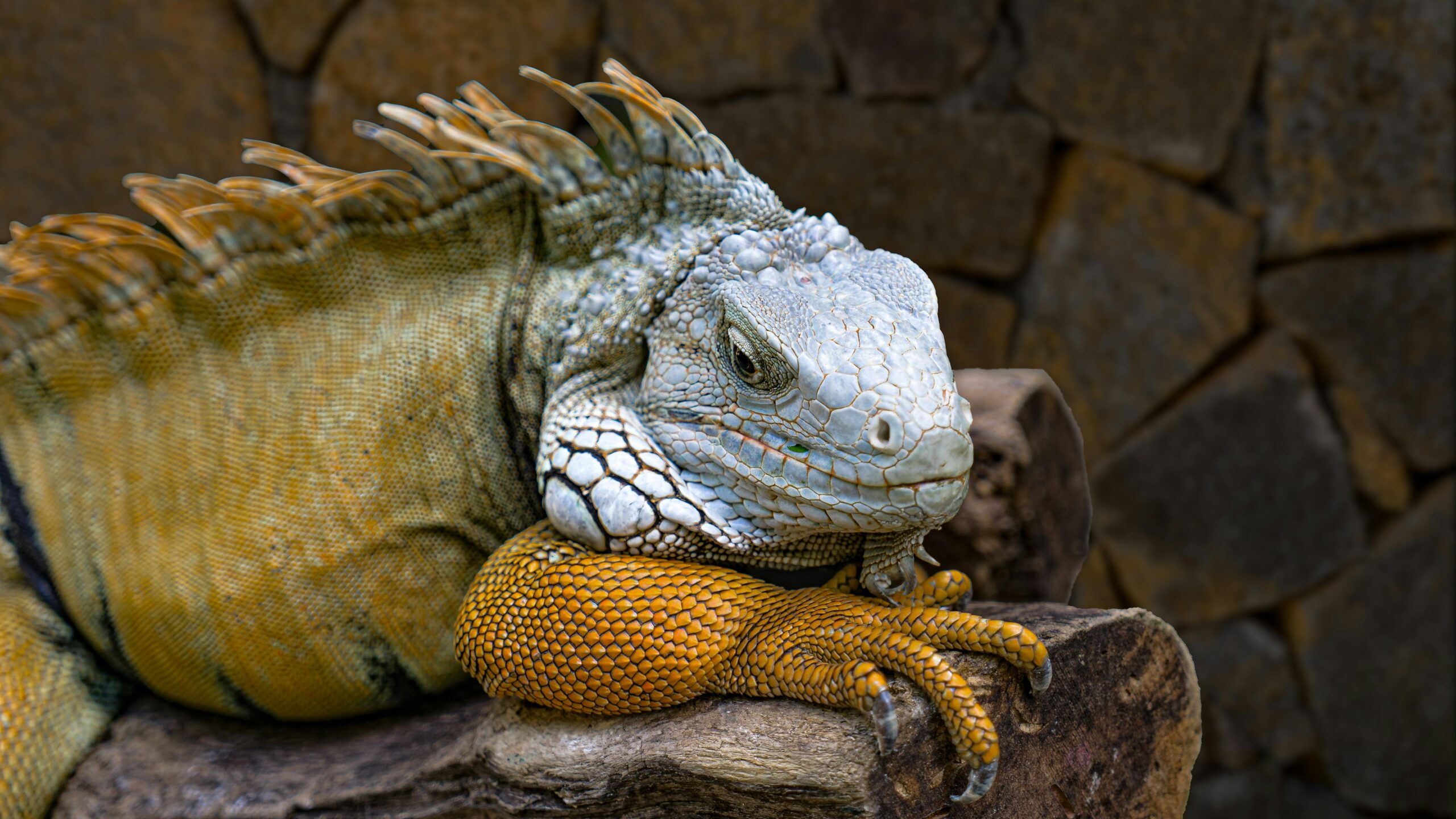
- Large, green to brown lizards up to 6 feet long.
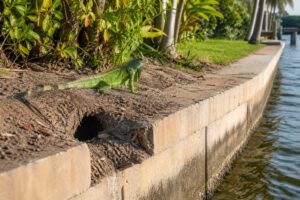
- Evidence of burrowing near foundations or in yards.
- Chewed vegetation, including flowers, fruits, and shrubs.
- Tracks or droppings around pools or patios.
Accurate identification helps tailor removal tactics and avoid disrupting protected native species.
Humane and Effective Iguana Trapping Tips
Trapping is often the safest and most practical option for homeowners dealing with iguanas. When setting traps, consider these recommendations:
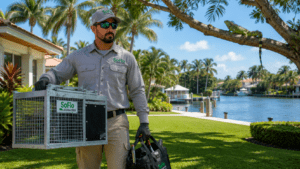
- Trap Type: Use cage traps designed to safely contain iguanas without injury.
- Bait Selection: Iguanas prefer leafy greens, fruits like mango or papaya, and vegetables such as squash or collard greens.
- Placement: Position traps near areas where iguanas are frequently seen, such as burrows, feeding spots, or sunning locations.
- Check Frequency: Inspect traps at least twice daily to minimize stress and avoid unintended catch of other wildlife.
- Handling: Wear protective gloves and long sleeves when releasing or euthanizing trapped iguanas safely and humanely.
Always prioritize humane treatment throughout the process, as inhumane acts can result in fines or penalties.
Safety Precautions for Homeowners
While iguanas are not typically aggressive, they can bite or scratch if threatened. Homeowners should observe these safety tips:
- Wear gloves and protective clothing when handling iguanas or traps.
- Avoid direct contact with iguana droppings, which can carry bacteria.
- Keep pets and children away from trapped or active iguanas.
- Do not attempt to handle large iguanas without experience.
If you are uncertain or uncomfortable, professional assistance is strongly recommended.
Why Professional Iguana Removal Makes Sense
South Florida homeowners often find professional wildlife control services the most efficient and compliant solution. Expert companies understand the legal nuances, employ safe trapping methods, and ensure humane treatment aligned with Florida law. Additionally, professionals can:
- Provide ongoing monitoring to prevent re-infestation.
- Address iguana burrowing that threatens home foundations.
- Educate homeowners on iguana-proofing landscaping.
- Handle permits and legal compliance when needed.
Partnering with specialists reduces risk and gives peace of mind.
FAQs About Iguana Removal for Florida Homeowners
Can I relocate captured iguanas to another area?
No. Florida law prohibits relocating iguanas due to the risk of spreading this invasive species.
Are iguanas dangerous to humans?
Generally, iguanas are not aggressive but can bite or scratch if provoked. Safety precautions are advised when handling.
What should I do if I find an iguana burrow near my home?
Burrows can undermine structures. Contact a professional to evaluate and safely address the problem.
Is it legal to trap iguanas on my property?
Yes, trapping on your property is legal if done humanely and traps are checked regularly.
How do I prevent iguanas from returning?
Removing attractants like food sources and shelter, sealing burrows, and consulting professionals for tailored advice helps deter iguanas.
Conclusion: Responsible Iguana Removal Starts with Knowledge
Managing iguanas on your South Florida property requires a clear understanding of Florida’s wildlife laws and commitment to humane practices. Homeowners should focus on legal removal methods, safety precautions, and consider professional help when needed. For expert assistance that respects both the law and your property, contact SoFlo Iguana Pros at (561) 735-1975. Our local team offers comprehensive iguana removal services designed to keep your yard safe and compliant.