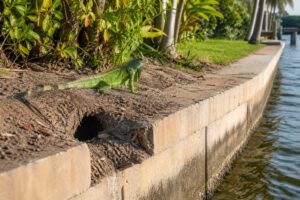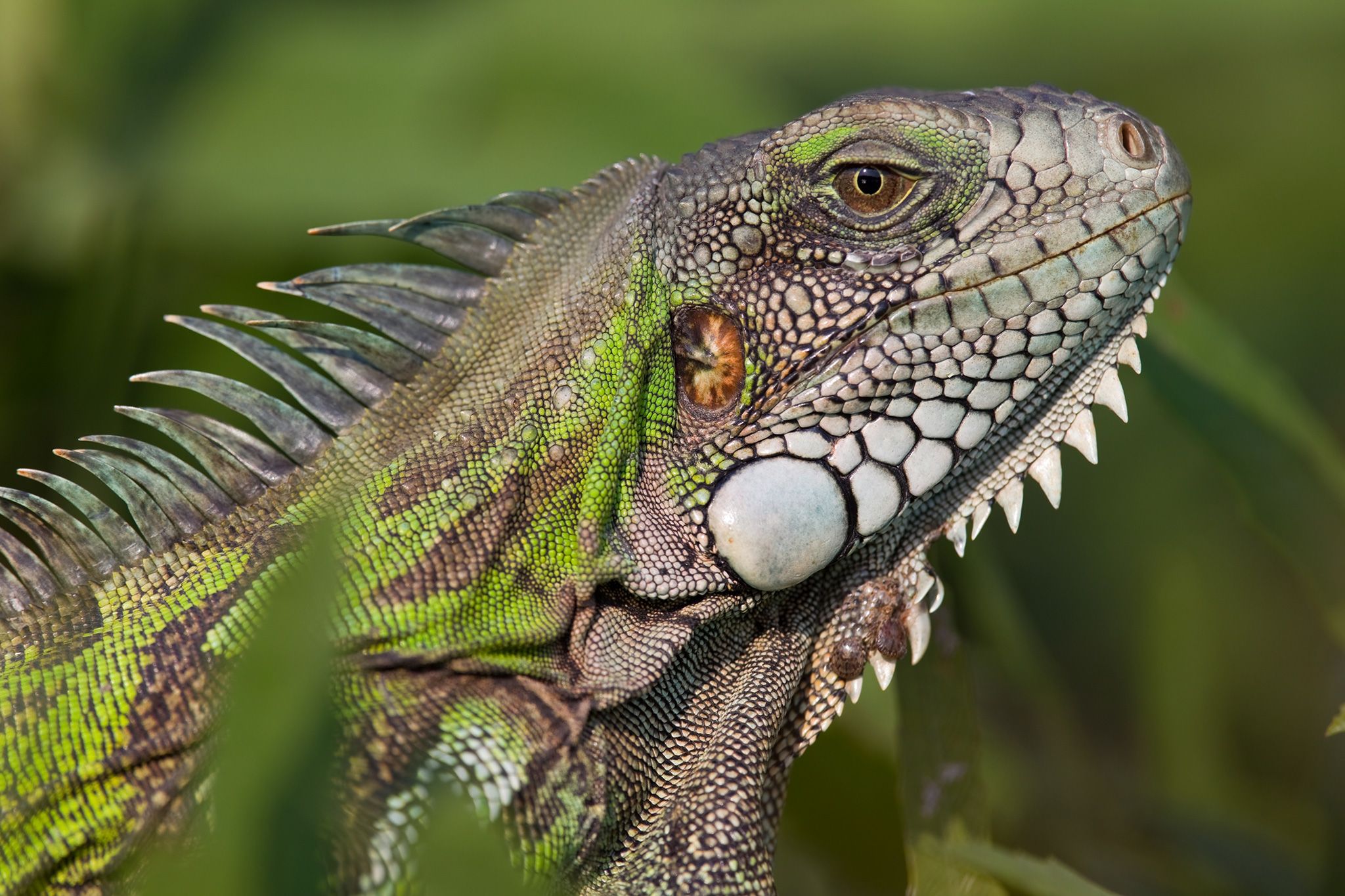
South Florida’s warm climate makes it an ideal habitat for iguanas, but these reptiles can quickly become a nuisance for homeowners. With gardens and landscaping at risk, many residents wonder: do iguana repellents really work? In this article, we’ll explore the realities of repellent effectiveness, offer landscaping advice to reduce iguana visits, and share safe, humane strategies for managing these critters.
Understanding Iguana Repellents: What Are They and How Do They Work?
Iguana repellents come in various forms, including sprays, granular products, and electronic devices. Most are designed to discourage iguanas through unpleasant tastes, smells, or vibrations. Common ingredients include capsaicin (the spicy compound in peppers), predator urine scents, or bitter substances.
While repellents can sometimes deter iguanas temporarily, their success is generally limited. Iguanas are opportunistic and can become accustomed to these deterrents over time, especially if food or shelter is readily available on your property.
Limitations of Iguana Repellents in South Florida’s Environment
South Florida’s lush vegetation and mild winters create a year-round haven for iguanas. Repellent products may wash away quickly after rain or require frequent reapplication in humid conditions, reducing their practicality. Moreover, many repellents only address symptoms and don’t remove the root attractants like edible plants or hiding spots.
It’s important for homeowners to recognize these factors and not rely solely on repellents for iguana control.
Landscaping Tips to Naturally Deter Iguanas
Smart landscaping adjustments can make your property less inviting to iguanas. Consider these strategies:
- Choose iguana-resistant plants: Opt for species that iguanas typically avoid, such as desert rose, hibiscus, or bougainvillea.
- Remove food attractants: Keep fruit trees pruned and promptly clean fallen fruit to reduce easy meals.
- Minimize shelter: Clear dense ground cover and piles of debris where iguanas may hide or nest.
- Use physical barriers: Install fencing or mesh around vulnerable garden beds to prevent iguana access.
These landscaping approaches not only reduce iguana presence but also enhance your yard’s overall health and appearance.
Safe and Humane Iguana Control Methods
When repellents and landscaping aren’t enough, humane trapping and removal are effective next steps. South Florida regulations require that iguanas be handled carefully and released only in legally permitted areas to protect native ecosystems.
If you choose DIY trapping:
- Select bait that appeals to iguanas, such as fresh fruits like mango or berries.
- Use a trap size appropriate for adult iguanas to avoid injury.
- Place traps in shaded, low-traffic areas to encourage natural feeding behavior.
- Check traps frequently to minimize stress on captured animals.
For complicated or large-scale infestations, consulting professional wildlife control experts ensures safety and compliance with local laws.
Why Professional Assistance Matters in South Florida
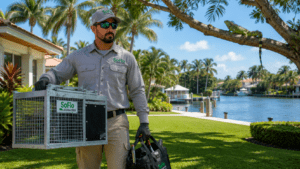
Licensed wildlife professionals like SoFlo Iguana Pros have experience navigating South Florida’s unique environment and regulations. They use humane, effective techniques tailored to your property’s needs. Additionally, professionals provide guidance on long-term prevention and help you avoid costly mistakes or legal issues.
FAQ: Common Questions About Iguana Repellents and Control
Q: Are commercial iguana repellents safe for pets and children?
Most repellents are formulated to be safe when used as directed, but always read labels carefully and keep products out of reach of children and pets.
Q: Can repellents completely eliminate iguana problems?
Repellents alone rarely solve infestations. Combining repellents with landscaping changes and humane removal delivers better results.
Q: Is it legal to trap and relocate iguanas in South Florida?
Relocation is regulated to protect native wildlife. Always consult local authorities or professionals to ensure compliance.
Q: How often should I apply iguana repellent products?
Frequency depends on product instructions and weather conditions, typically requiring reapplication after rain or every few weeks.
Q: Can I prevent iguanas without using chemicals?
Yes, modifying your landscaping and removing attractants can significantly reduce iguana visits without chemical repellents.
Conclusion: Balanced Strategies for Iguana Management in South Florida
While iguana repellents can offer some relief, they’re not a standalone solution for South Florida homeowners. Combining repellents with smart landscaping and humane trapping creates a more effective, long-lasting approach. Remember, respecting local wildlife regulations and using safe, ethical methods benefits everyone.
If iguanas are causing problems on your property, contact SoFlo Iguana Pros at (561) 735-1975. Our South Florida-based team specializes in humane iguana control tailored to your needs, helping protect your home and landscape with expert care.