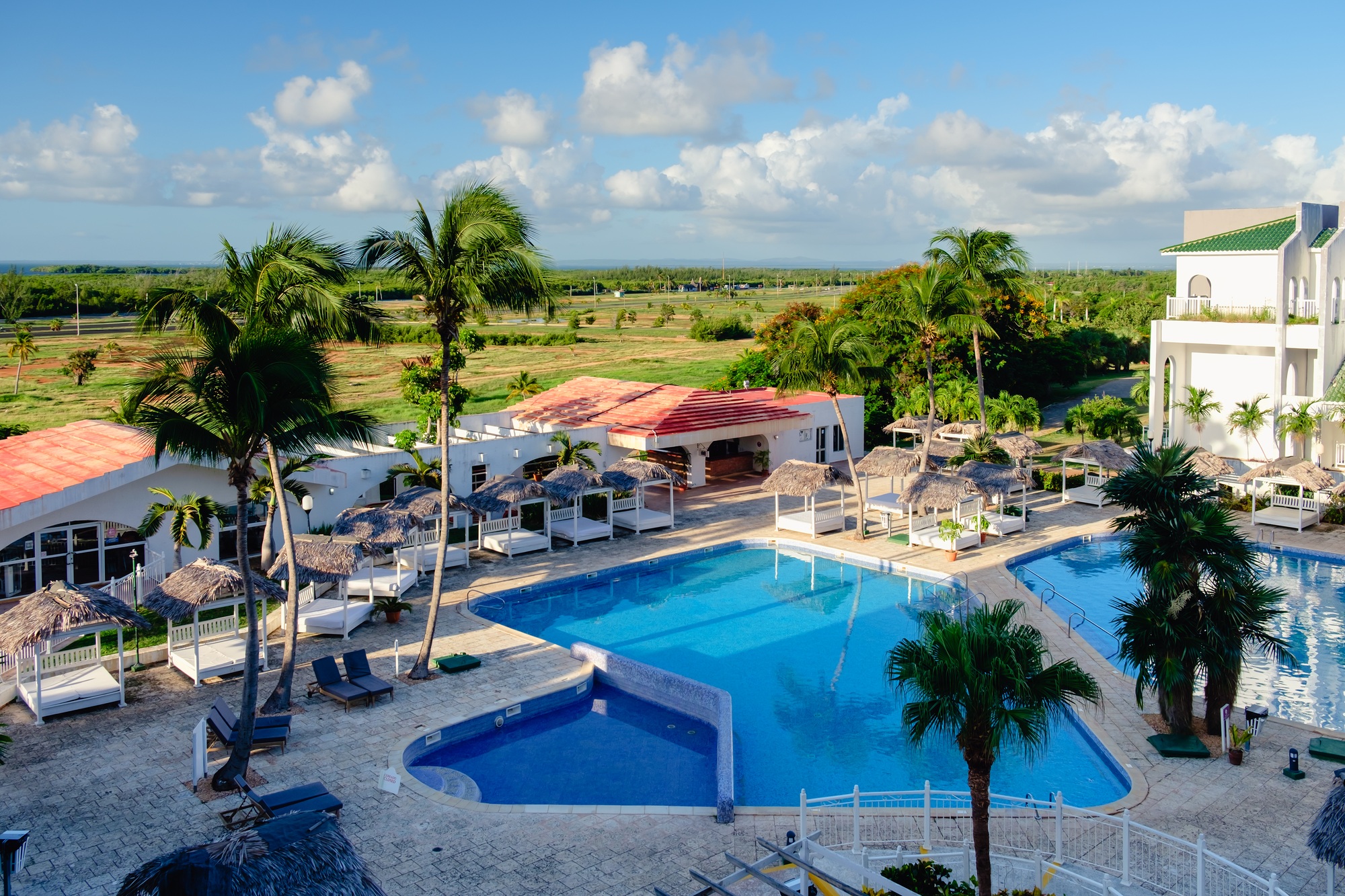
In South Florida, backyard pools are a cherished luxury, offering relief from the heat and a gathering spot for family and friends. However, the frequent visits of green iguanas to pool areas can raise important questions about water quality, health risks, and the best methods to maintain a clean and safe swimming environment. This article addresses the key concerns iguanas pose to pool water, practical steps for homeowners, and humane removal options to protect your oasis.
How Iguanas Impact Pool Water Quality
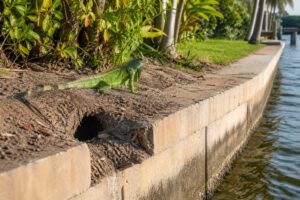
Green iguanas are common in South Florida’s subtropical climate and often seek out pools for hydration and cooling. While they may seem like a harmless presence, iguanas can affect pool water quality in several ways:
- Droppings in the Water: Iguana feces can introduce bacteria and organic matter into pool water, potentially affecting sanitation and safety.
- Algae Growth: Organic debris from iguanas can promote algae growth, leading to cloudy or greenish water.
- Filter Strain: Debris from droppings can clog pool filters, reducing efficiency and increasing maintenance.
Understanding these impacts helps pool owners remain vigilant about water quality and cleanliness.
Health Concerns Related to Iguana Droppings
Iguana droppings are a notable concern because they can harbor bacteria such as Salmonella, which poses risks if pool water is ingested accidentally or if contaminated surfaces are touched. While the risk of infection from casual pool use is low, it is advisable to take precautions:
- Maintain proper chlorine and chemical levels to neutralize pathogens.
- Regularly clean pool surfaces and surrounding deck areas.
- Encourage family members to shower after swimming and avoid swallowing pool water.
Being proactive helps minimize any health risks associated with iguana contamination.
Preventing Iguanas from Accessing Your Pool

Limiting iguana visits reduces the potential for water contamination and droppings in your pool area. South Florida homeowners can try these practical deterrents:
- Landscape Management: Trim trees and bushes near the pool, as iguanas use these as entry points.
- Remove Food Sources: Avoid leaving pet food or fallen fruit near the pool, which can attract iguanas.
- Use Pool Covers: When not in use, covering the pool can physically block iguanas from entering.
- Motion-Activated Sprinklers: These can startle iguanas and discourage repeat visits.
While these methods can reduce iguana presence, they may not completely eliminate visits, especially during warmer months.
Humane Iguana Removal: Best Practices in South Florida

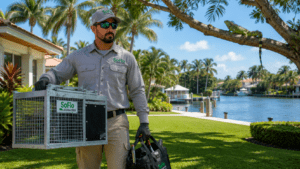
When iguanas become a persistent problem, professional removal is often the safest and most effective solution. It’s important to work with companies familiar with local regulations and humane wildlife handling. Key considerations include:
- Humane Trapping: Using live traps baited with fresh produce to capture iguanas without harm.
- Safe Handling: Minimizing stress and injury to the animal during removal.
- Legal Compliance: South Florida has specific guidelines regarding wildlife relocation and trapping; adherence is essential.
- Release Protocols: Proper relocation away from residential areas ensures ecological balance and prevents re-entry.
Professional wildlife control providers like SoFlo Iguana Pros specialize in these methods, helping homeowners manage iguana issues responsibly.
Maintaining Pool Cleanliness After Iguana Visits
Even with prevention and removal efforts, occasional iguana visits may happen. To maintain pool cleanliness and safety:
- Skim and Clean: Immediately remove any visible droppings or debris from the pool.
- Shock Treatment: Periodically shock the pool water to eliminate bacteria and organic contaminants.
- Filter Maintenance: Clean or replace filters regularly to maintain water circulation and clarity.
- Surface Disinfection: Sanitize pool decks and surrounding areas to reduce contamination risks.
Routine maintenance preserves your pool’s enjoyment and health standards.
FAQ: Iguanas and Pool Water in South Florida
Q1: Can iguanas make my pool water unsafe to swim in?
While iguana droppings can introduce bacteria, proper pool chemical maintenance generally keeps water safe. Prompt cleaning after droppings helps further reduce risks.
Q2: Are iguanas attracted to pool water only during hot weather?
Yes, iguanas often seek water and cooler temperatures during warmer months, increasing pool visits during spring and summer.
Q3: Is it legal to trap and relocate iguanas in South Florida?
Trapping and relocating iguanas require following local wildlife regulations and humane practices. Professional services ensure compliance and animal welfare.
Q4: What’s the best bait to use for trapping iguanas?
Fresh fruits and vegetables like mango, papaya, or leafy greens are effective attractants for humane traps.
Q5: How can I discourage iguanas from climbing into my pool area?
Remove nearby foliage, use physical barriers like pool covers, and consider motion-activated deterrents to reduce access.
If iguanas are affecting your pool enjoyment or you want expert advice on humane removal and prevention, contact SoFlo Iguana Pros. Serving South Florida with knowledgeable and compassionate wildlife control, we can help protect your pool area. Call us today at (561) 735-1975 for assistance tailored to your property’s needs.