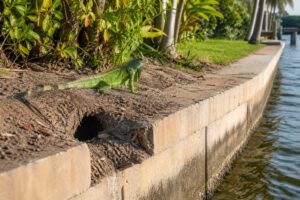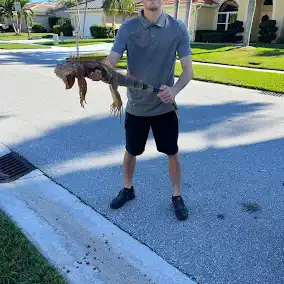
South Florida’s subtropical climate is usually a haven for iguanas, but when cold snaps hit, these resilient reptiles can behave in unexpected ways—sometimes falling from trees and causing concern among residents. Understanding why iguanas fall during cold weather and what you can do to stay safe is important for every homeowner in the region.
Why Do Iguanas Fall During Cold Snaps?
Iguanas are cold-blooded reptiles, meaning their body temperature depends on their environment. When temperatures drop below about 50°F, iguanas become sluggish and can lose muscle control. This often causes them to fall from branches where they usually bask in the sun.
While it may look alarming, this behavior is a natural response to cold stress rather than aggression or illness. Iguanas enter a state called “cold torpor” where they become temporarily immobilized. Once temperatures rise again, they typically recover without lasting harm.
Common Areas Where Falling Iguanas Are Seen
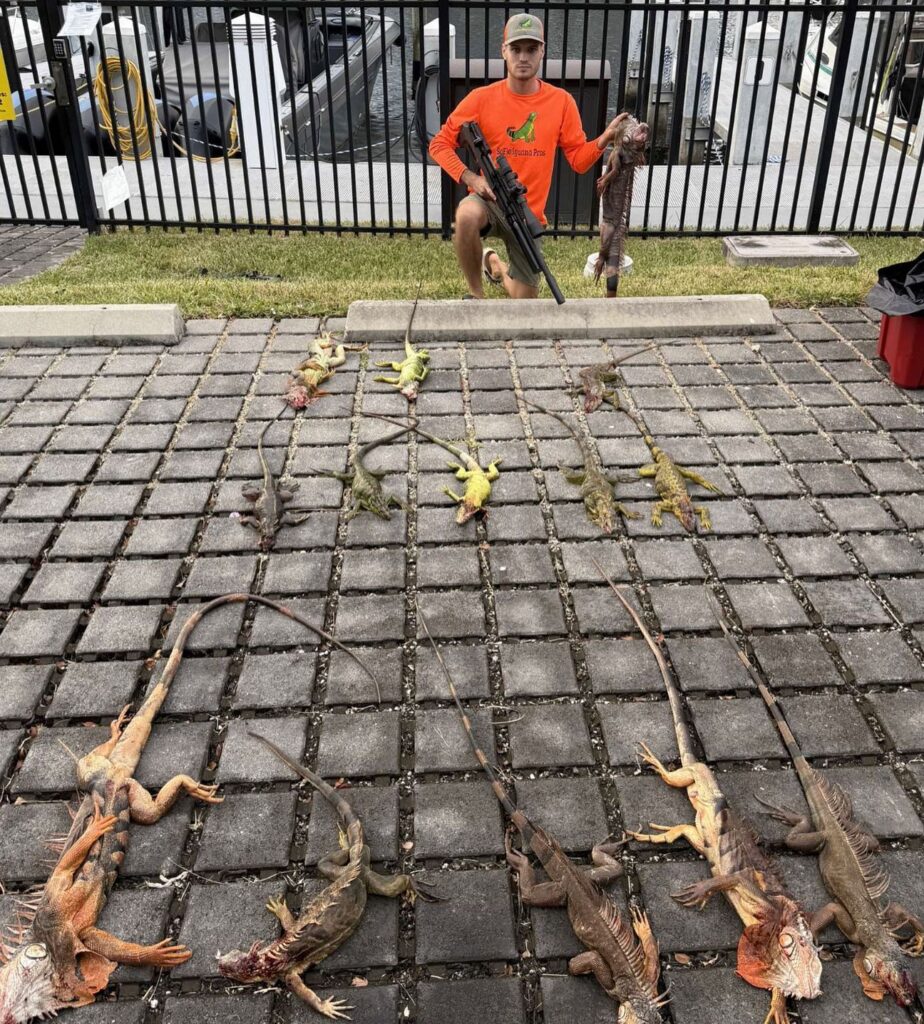
Residents in areas dense with tropical foliage or near water bodies are more likely to encounter falling iguanas during cold snaps. Places such as:
- Backyards with tall trees
- Parks and golf courses
- Community green spaces with palm trees or hardwoods
Because iguanas prefer high perches to regulate temperature and avoid predators, falling incidents often happen near homes with lush landscaping or wooded lots.
What South Florida Homeowners Should Do for Safety
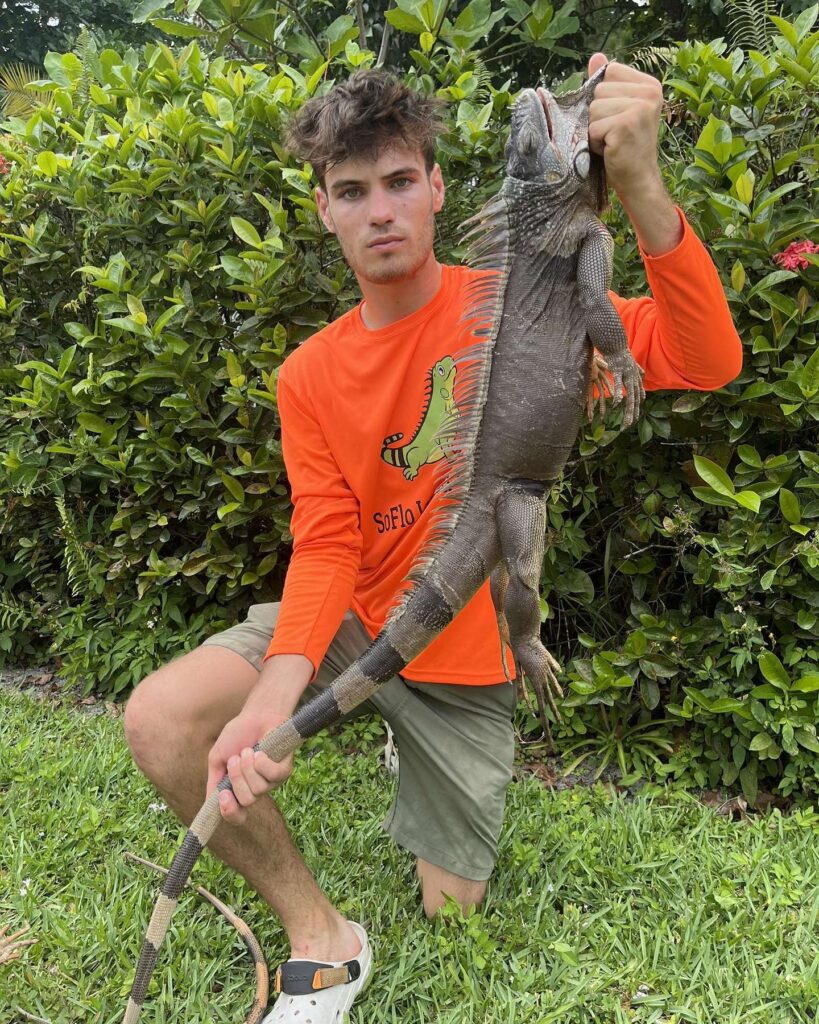
Falling iguanas are usually not aggressive, but caution is advised. Here are practical steps to keep your family and pets safe:
- Stay clear: Avoid standing or sitting under trees where iguanas are present during cold snaps.
- Protect pets: Keep dogs and cats indoors or supervised, as sudden falls can startle them.
- Wear shoes outdoors: Fallen iguanas can be hard to spot on pavement or grass.
- Do not handle cold or immobile iguanas: They may appear stunned but can bite or scratch if provoked.
- Secure outdoor belongings: Falling iguanas can damage fragile items or plantings beneath tree canopies.
Humane Iguana Control During Cold Weather
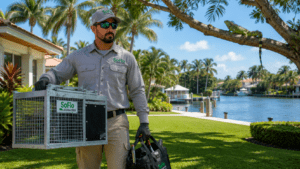
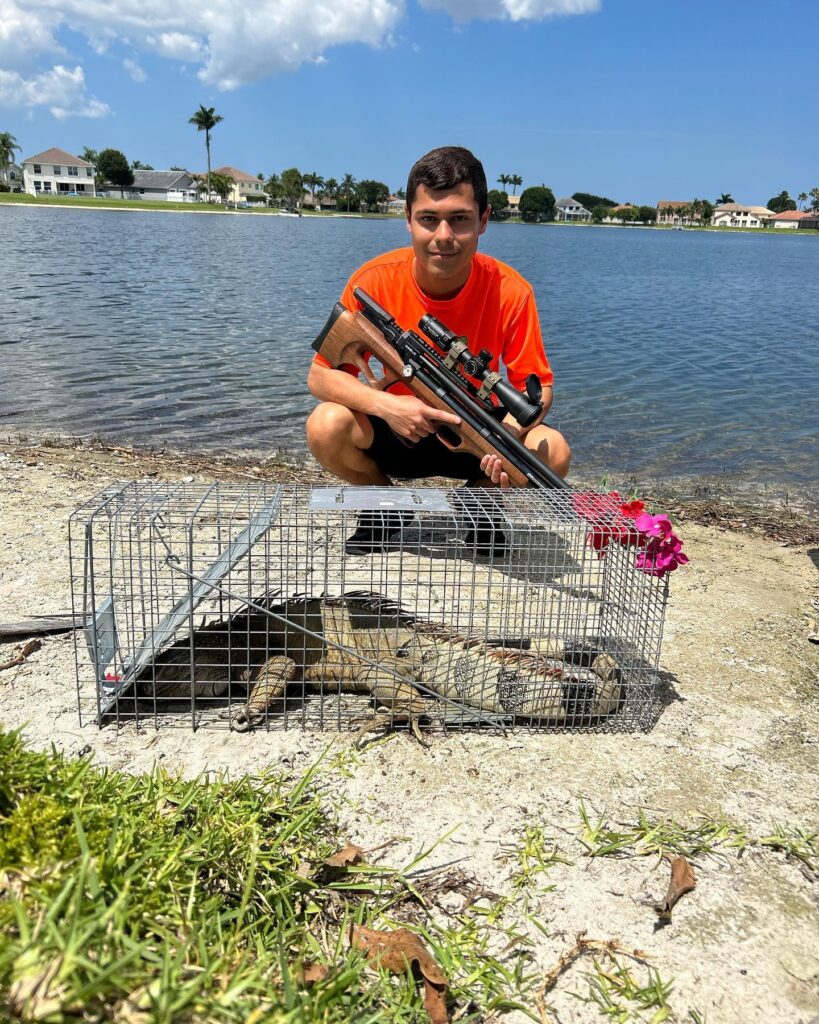
When cold snaps increase iguana activity near homes, some residents consider trapping or removal. It’s critical to follow South Florida’s wildlife regulations and prioritize humane methods.
Effective trap setups include:
- Using wire or cage traps sized specifically for iguanas
- Baiting with fresh fruits like mango or banana to attract them
- Placing traps near common iguana paths or feeding spots
- Checking traps frequently to minimize stress on captured animals
Always avoid harming iguanas. Contacting professional wildlife control experts ensures compliance with local laws and guarantees safe, ethical handling.
Understanding Local Regulations and Best Practices
South Florida’s iguana population is non-native but protected under certain guidelines to promote humane treatment. Transporting, releasing, or relocating iguanas without permits is illegal. Improper removal can disrupt ecosystems or cause further issues.
Licensed wildlife control specialists are trained to navigate these regulations. They also provide education on coexistence and prevention strategies to reduce iguana-related damage year-round.
FAQ: Cold Snaps and Iguanas in South Florida
Q1: Are falling iguanas dangerous to people?
Generally, no. Iguanas are not aggressive but can scratch or bite if handled improperly. It’s best to avoid direct contact.
Q2: Should I try to warm a cold iguana?
It’s best to leave them alone. Iguanas recover on their own once temperatures rise. Handling stressed iguanas can cause injury or provoke defensive behavior.
Q3: Can cold snaps reduce the iguana population?
Cold weather can temporarily immobilize iguanas but rarely leads to significant population decline. Many survive by seeking shelter and warming up gradually.
Q4: How can I prevent iguanas from damaging my yard during cold snaps?
Removing attractants such as fruit, sealing entry points, and consulting humane wildlife control can help minimize damage.
Conclusion: Staying Prepared and Safe with SoFlo Iguana Pros
Cold snaps are a unique challenge for South Florida residents living alongside iguanas. Understanding their behavior during chilly weather and taking sensible precautions can keep your family and pets safe. When humane removal or control becomes necessary, trust SoFlo Iguana Pros for expert assistance tailored to local conditions. Call us at (561) 735-1975 for guidance or service throughout South Florida.